7 Basic Steps to Layout a Parterre Garden
The scent of damp, disturbed earth signals the start of a precise architectural endeavor. True horticultural mastery begins with the structural integrity of the soil and the turgor pressure of the foundational hedging. To master the steps to layout a parterre garden, one must prioritize mathematical symmetry over aesthetic whim. This is a disciplined exercise in geometry and plant physiology. A parterre is not merely a collection of plants; it is a controlled ecosystem where the rhizosphere is managed to maintain rigid form. Success requires a deep understanding of soil mechanics and the hormonal responses of woody perennials. You are building a living blueprint that must withstand environmental stressors while maintaining its crisp, clipped borders.
Materials:
The foundation of a parterre is the substrate. You require a friable loam with a Cation Exchange Capacity (CEC) between 15 and 25 milliequivalents per 100 grams. This ensures the soil can retain and exchange essential nutrients like potassium and magnesium. The target soil pH should be slightly acidic to neutral, specifically 6.2 to 7.0, to optimize nutrient bioavailability.
For the initial establishment phase, incorporate a slow-release fertilizer with an NPK ratio of 10-10-10. This balanced approach supports initial root development without triggering excessive, leggy vegetative growth. You will also need high-tensile surveyor string, steel ground stakes, and a laser level to ensure the site is perfectly flat. Any deviation in the grade will lead to uneven water distribution and localized root rot in depressions.
Timing:
The biological clock for a parterre garden is dictated by Hardiness Zones and the frost-free window. In Zones 5 through 8, the ideal installation window is early spring, at least four weeks before the last predicted frost. This allows the root systems to establish before the high evapotranspiration demands of summer.
The transition from vegetative to reproductive stages must be managed through pruning. For boxwood (Buxus) or germander (Teucrium), the goal is to keep the plant in a perpetual state of vegetative growth. You must time your layout and planting so that the first flush of growth occurs when soil temperatures reach a consistent 55 degrees Fahrenheit. This temperature threshold triggers microbial activity in the soil, facilitating the uptake of nitrogen required for the initial "green-up."
Phases:

Sowing and Site Preparation
The first of the steps to layout a parterre garden involves stripping all existing vegetation to expose the mineral soil. Use a mechanical sod cutter to ensure a depth of 3 inches is removed. Once the site is clear, amend the soil with organic matter to achieve a 5 percent organic carbon content. Compact the soil lightly with a water-filled roller to prevent future settling, which can distort your geometric lines.
Pro-Tip: Ensure the soil is not overly saturated during compaction to avoid destroying the soil structure and causing anaerobic conditions. Maintaining macropores is essential for oxygen diffusion to the root zone.
Transplanting the Framework
Space your primary hedging plants at intervals of 8 to 12 inches on center. This density ensures the plants grow together quickly to form a solid "wall" or "ribbon." When placing the root ball, ensure the flare is exactly level with the soil surface. Planting too deep leads to stem girdling and hypoxia.
Pro-Tip: Use a root-dipping solution containing mycorrhizal fungi. This symbiotic relationship increases the effective root surface area, enhancing the uptake of phosphorus and water during the critical establishment phase.
Establishing the Pattern
Once the hedging is in the ground, fill the interior "platts" with gravel, turf, or herbaceous perennials. If using perennials, group them by water requirements to avoid over-hydrating the drought-tolerant hedging. Maintain a clear 2-inch gap between the hedging and the interior fill to allow for airflow and to prevent fungal pathogens from migrating.
Pro-Tip: Implement apical dominance suppression by pinching back the terminal buds of the hedging plants. This redirects auxins to lateral buds, encouraging a bushier, denser growth habit that is essential for the parterre's structural integrity.
The Clinic:
Physiological disorders in a parterre often stem from restricted airflow or nutrient imbalances.
- Symptom: Interveinal chlorosis (yellowing between leaf veins) on new growth.
Solution: This indicates an Iron deficiency, often caused by high pH. Apply chelated iron and lower the pH with elemental sulfur. - Symptom: Marginal leaf burn or necrosis.
Solution: This is often a sign of salt accumulation from over-fertilization. Leach the soil with 2 inches of fresh water to flush excess salts. - Symptom: Dieback in the center of the hedge.
Solution: This is typically caused by poor light penetration. Increase the frequency of light thinning cuts to allow photons to reach the interior foliage.
Fix-It for Nitrogen Chlorosis: If the entire plant turns pale green or yellow, apply a liquid fertilizer with a high Nitrogen (N) value (such as 20-10-10) at half-strength. Nitrogen is a mobile nutrient; the plant will prioritize new growth, so watch for recovery in the terminal leaves first.
Maintenance:
Precision maintenance is the only way to preserve a parterre. Use a soil moisture meter daily during the first growing season. The soil must remain consistently moist but never waterlogged. Aim for 1.5 inches of water per week delivered via drip irrigation at the base of the plants to keep foliage dry.
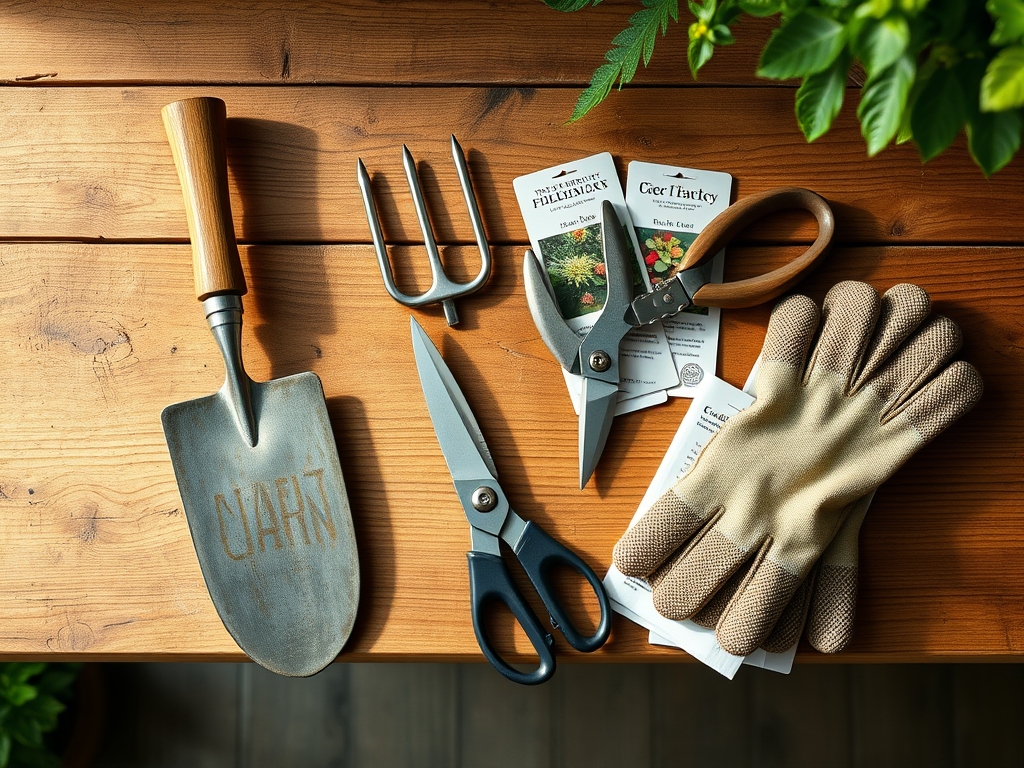
Pruning must be done with sharpened bypass pruners or specialized topiary shears. Dull blades crush the vascular tissue, leaving the plant vulnerable to opportunistic pathogens. Use a hori-hori knife to remove deep-rooted weeds within the intricate patterns without disturbing the delicate root systems of the hedging. Monitor the soil every six months for compaction and use a hand fork to gently aerate the top 3 inches if the surface becomes capped.
The Yield:
While a parterre is primarily structural, many historical designs include medicinal herbs or edible flowers like Viola tricolor. Harvest these during the "morning turgor" window, usually between 6:00 AM and 8:00 AM, when the plants are fully hydrated. Use sterilized snips to take cuttings. To maintain day-one freshness, immediately submerge the stems in 40-degree Fahrenheit water and store in a dark, cool environment. This slows the rate of respiration and prevents premature senescence. For woody herbs like lavender, harvest just as the first florets on the spike open to ensure the highest concentration of essential oils.
FAQ:
What is the best plant for a parterre?
Buxus sempervirens (Boxwood) is the standard due to its small leaves and high tolerance for frequent shearing. In warmer climates, Ilex vomitoria 'Nana' offers a similar density and maintains its form in high humidity.
How do I keep my parterre lines straight?
Use high-visibility surveyor string and a laser level during the initial planting. For maintenance, create a wooden "jig" or template that fits over the hedge to guide your shears, ensuring a uniform height and width across the entire design.
How much sun does a parterre need?
Most parterre species require at least six hours of direct solar radiation daily. Insufficient light leads to "stretching" or etiolation, where the internodal spacing increases, resulting in a thin, weak hedge that cannot hold its geometric shape.
Can I build a parterre on a slope?
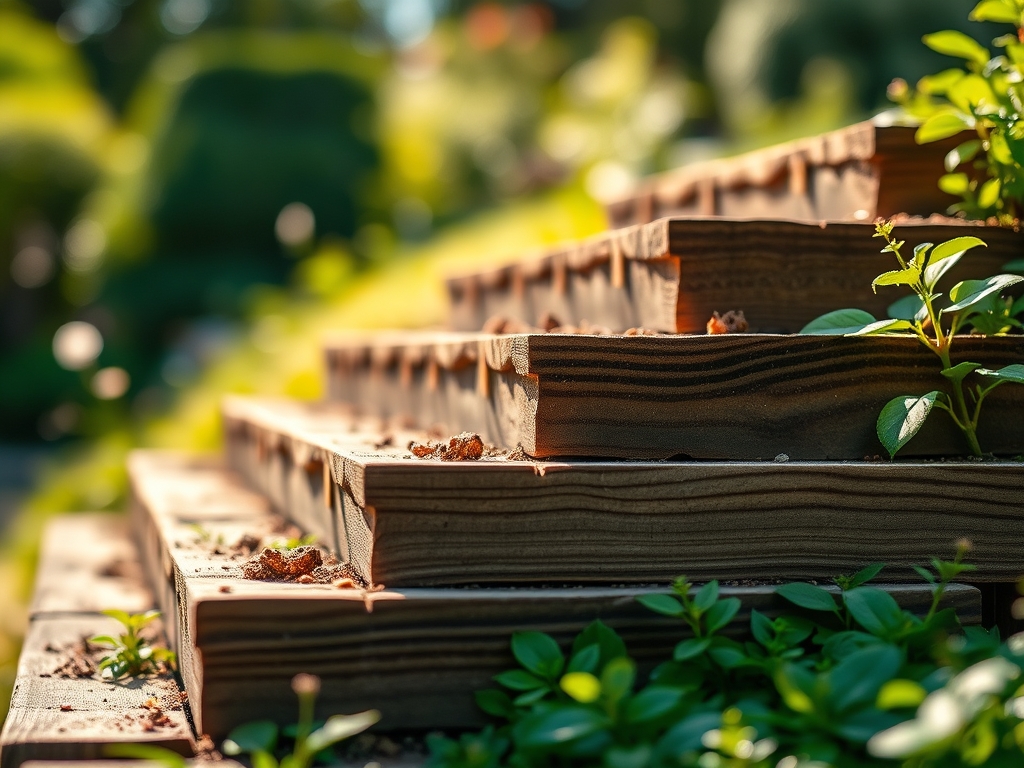
It is not recommended. Parterres rely on perfect horizontal symmetry. If your site has a grade, you must terrace the area first using retaining walls to create a level "shelf" before beginning the steps to layout a parterre garden.