6 Natural Ways How to Design a Wildflower Border
The smell of damp, anaerobic decomposition shifts to the sharp, metallic scent of mineral-rich soil as you break the surface of a dormant plot. Understanding how to design a wildflower border requires more than an aesthetic eye; it demands an appreciation for turgor pressure and the hydraulic conductivity of the xylem. Successful borders are engineered ecosystems where native species compete for light and nutrients. You must manage the transition from a sterile patch of turf to a complex polyculture. This process begins with site analysis and the physical manipulation of the soil profile to ensure long term success.
Materials:
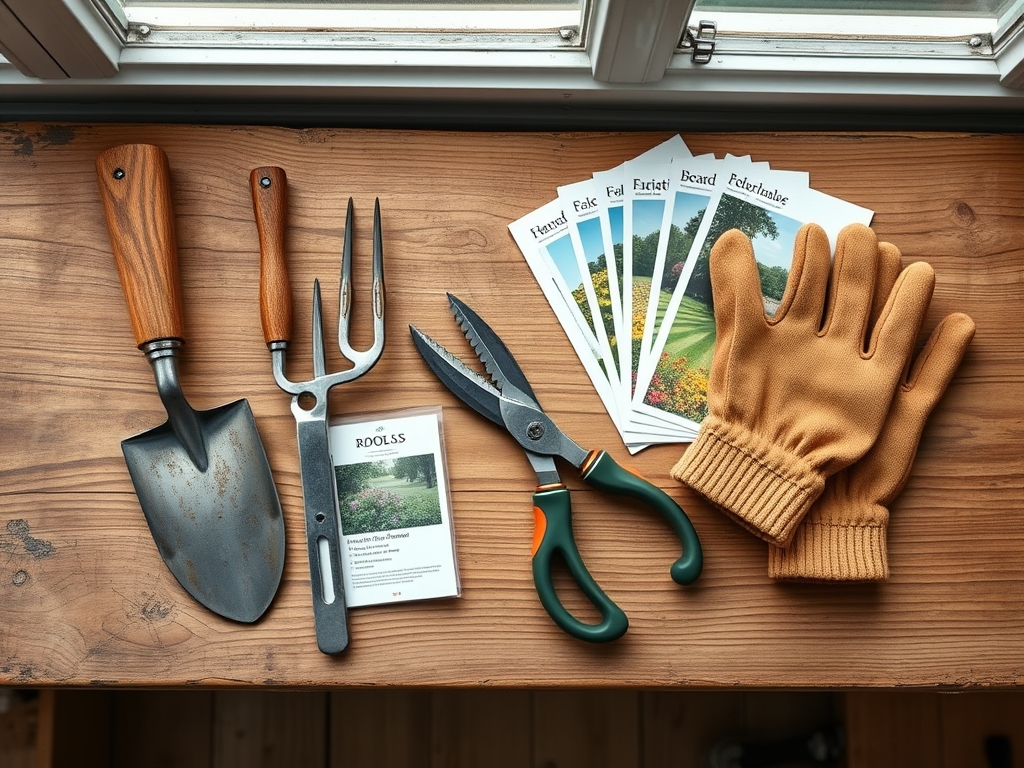
Wildflowers generally thrive in **low-fertility environments**. High nitrogen levels often encourage aggressive grasses to outcompete the desired forbs. The ideal substrate is a **friable loam** with a Cation Exchange Capacity (CEC) between **15 and 25 meq/100g**. This ensures the soil can hold essential cations like Potassium (K+) and Calcium (Ca2+) without becoming overly saturated with nutrients that trigger excessive vegetative growth at the expense of floral development.
Target a soil pH between 6.0 and 7.0 for maximum nutrient bioavailability. If your soil test reveals a nitrogen deficiency, use a slow-release organic fertilizer with an NPK ratio of 3-4-4. Avoid high-nitrogen synthetic blends. The physical texture should allow for rapid drainage; wildflowers are susceptible to root rot in compacted, heavy clay soils where oxygen cannot reach the rhizosphere.
Timing:
In USDA Hardiness Zones 3 through 6, the optimal sowing window is late autumn, specifically after the first killing frost but before the ground freezes. This allows for natural cold stratification, a process where the seed coat is weakened by freeze-thaw cycles, breaking physiological dormancy. In Zones 7 through 10, early spring sowing is preferred to ensure seedlings establish before the onset of extreme summer heat.
The biological clock of a wildflower border is governed by the photoperiod. Many species are "long-day" plants, requiring more than 12 hours of light to trigger the transition from the vegetative stage to the reproductive stage. Monitoring the local frost-date window is critical; early emergence followed by a late hard freeze can cause cellular rupture in young tissues due to the expansion of freezing sap.
Phases:
Sowing
Clear the area of all existing vegetation using a sod cutter or solarization. Broadcast seeds at a rate of 1 pound per 2,000 square feet. To ensure even distribution, mix the seeds with an inert carrier like damp sand in a 1:3 ratio. Firm the seeds into the soil using a water-filled roller to ensure maximum seed-to-soil contact.
Pro-Tip: Do not bury the seeds deeply. Many wildflower species are positively photoblastic, meaning they require light exposure to trigger germination. Burying them more than 1/8 inch deep can lead to total germination failure.
Transplanting
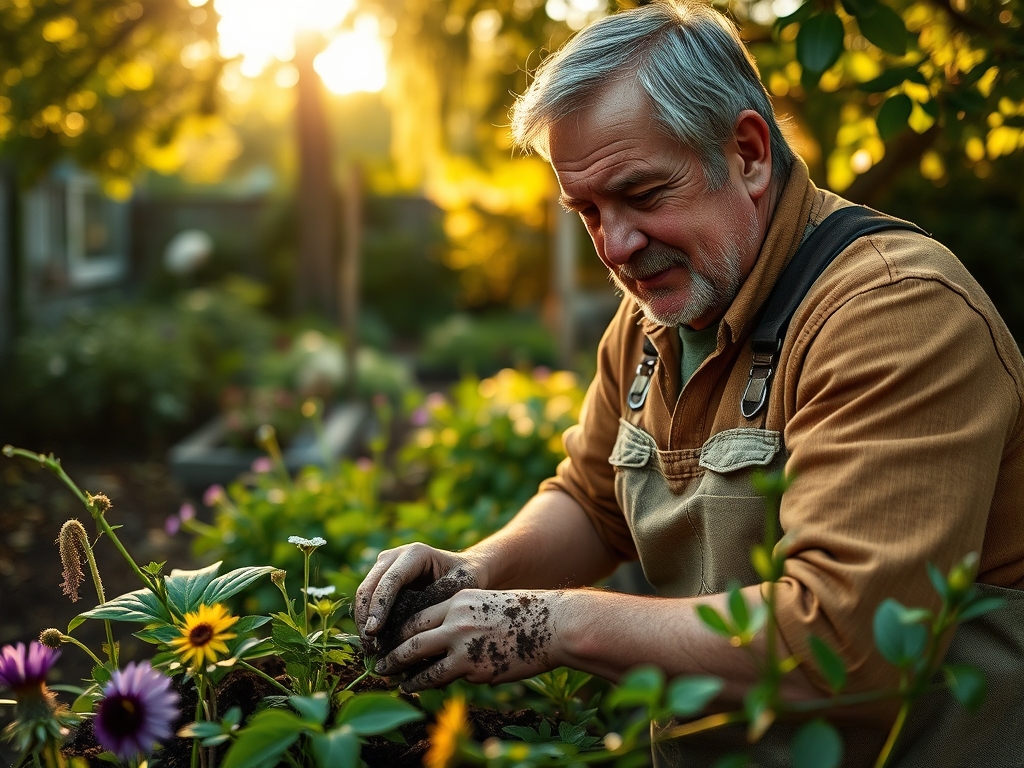
When introducing established plugs into the border, dig a hole twice the width of the root ball. Position the crown of the plant exactly at the soil surface. Backfill with native soil rather than heavily amended potting mix to prevent the "bathtub effect," where water collects in the hole and causes root asphyxiation.
Pro-Tip: Use a mycorrhizal inoculant during transplanting. These symbiotic fungi extend the reach of the root system, increasing the plant's ability to uptake phosphorus and water, which significantly reduces transplant shock.
Establishing
During the first six weeks, maintain consistent moisture in the top 0.5 inches of soil. Once the plants reach a height of 4 to 6 inches, they begin to develop deeper taproots or fibrous root networks. At this stage, you can reduce watering frequency but increase the volume to encourage downward root migration.
Pro-Tip: If certain species show "leggy" growth, perform a light pinch of the terminal bud. This disrupts apical dominance by suppressing auxin flow, which stimulates lateral bud growth and results in a bushier, more structurally sound plant.
The Clinic:
Monitoring physiological disorders is essential for maintaining the health of the border.
- Symptom: Interveinal chlorosis (yellowing between green leaf veins) in new growth.
- Solution: This indicates an Iron (Fe) deficiency, often caused by high soil pH. Apply chelated iron or lower the pH using elemental sulfur.
- Symptom: Stunted growth with purple or reddish tints on older leaves.
- Solution: This is a classic Phosphorus (P) deficiency. Check soil temperature; cold soil often prevents P uptake even if the nutrient is present.
- Symptom: Marginal leaf burn or "scorching" on established plants.
- Solution: This suggests Potassium (K) deficiency or high salinity. Flush the soil with 2 inches of water to leach excess salts and apply a potassium-rich organic amendment.
Fix-It for Nitrogen Chlorosis: If the entire leaf turns pale green or yellow, starting from the bottom of the plant, apply a liquid seaweed extract. This provides a quick, low-dose nitrogen boost without triggering the aggressive weed growth associated with high-NPK fertilizers.
Maintenance:
Precision is required during the establishment year. Provide 1.5 inches of water per week delivered at the drip line rather than overhead to prevent fungal pathogens like powdery mildew. Use a soil moisture meter to verify that the moisture has penetrated at least 6 inches deep.
For weed management, utilize a hori-hori knife to extract taproots of invasive species without disturbing the surrounding wildflower root systems. Use bypass pruners for deadheading spent blooms; this prevents the plant from diverting energy into seed production and can often trigger a second flush of flowers. In late winter, mow the border to a height of 3 inches to allow light to reach the soil surface for the next generation of seedlings.
The Yield:
Harvesting wildflowers for indoor arrangements requires sharp tools and specific timing. Cut stems in the early morning when turgor pressure is at its peak. Use a sharp knife to make a 45-degree angle cut, which increases the surface area for water uptake.
Immediately plunge the stems into a bucket of room-temperature water. For "day-one" freshness, remove all foliage that would sit below the water line in the vase. This prevents bacterial proliferation that can block the vascular tissues of the stem. Change the water every 48 hours to maintain hydraulic flow and extend the post-harvest life of the blooms.
FAQ:
How much sun do wildflowers need?
Most wildflower species require a minimum of 6 to 8 hours of direct solar radiation daily. Insufficient light leads to weak stems, reduced carbohydrate production, and poor floral displays due to limited photosynthesis.
Do I need to fertilize my wildflower border?
Avoid heavy fertilization. Wildflowers are adapted to nutrient-poor soils. Excessive nitrogen promotes vegetative biomass over floral development and encourages invasive weed competition. Use only low-NPK organic amendments if a soil test confirms a specific deficiency.
When is the best time to mow a wildflower border?
Mow in late autumn or early spring after the plants have dropped their seeds. Set the mower height to 3 or 4 inches. This clears the canopy for new growth while protecting the crowns of perennial species.
Why are my wildflowers not blooming the first year?
Many native wildflowers are perennials or biennials. They focus on root and leaf development in their first growing season to build energy reserves. Floral structures typically emerge in the second year once the plant has reached physiological maturity.
How do I stop weeds from taking over?
Preparation is key. Use solarization or repeated tilling to exhaust the weed seed bank before sowing. Once established, maintain a high density of wildflowers to shade out competitors and use manual extraction for persistent invasive species.