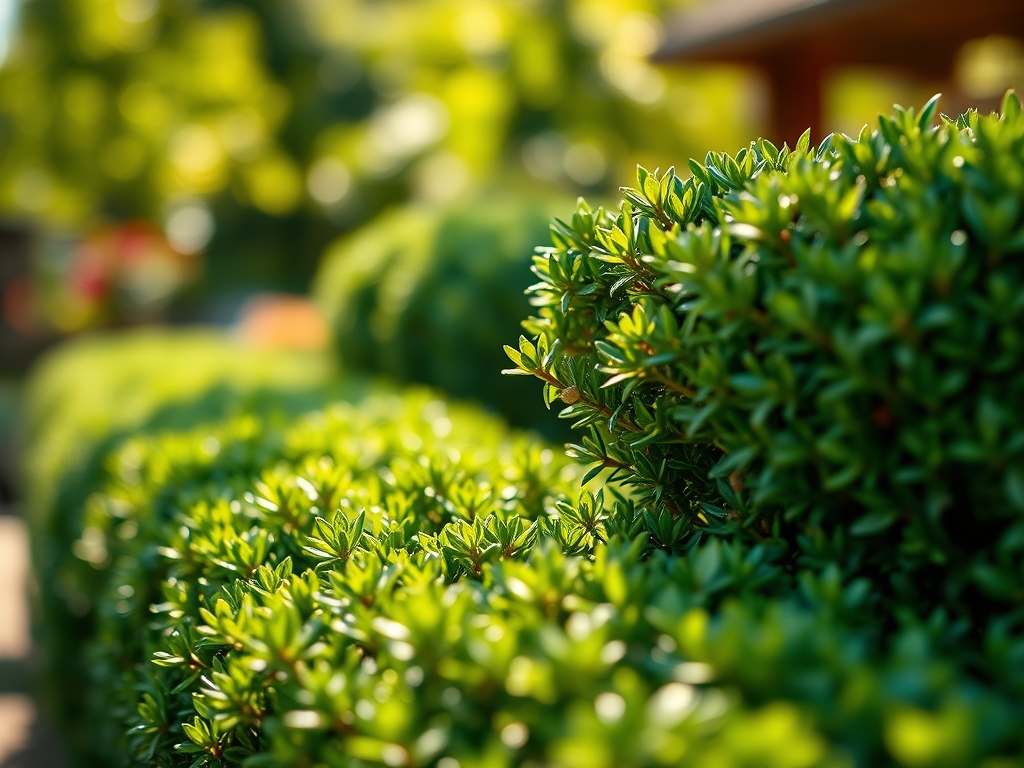
8 Best Boxwoods for Formal Hedging
The scent of damp, mineral-rich earth signals the start of the planting season when the soil temperature stabilizes at a consistent 55 degrees Fahrenheit. A healthy Buxus leaf exhibits high turgor pressure; it feels firm and waxy between the thumb and forefinger, indicating a well-hydrated vascular system. Achieving this structural integrity requires selecting the best boxwoods for formal hedging based on growth rate, leaf density, and cold hardiness. Success in formal landscaping depends on the physiological capacity of the plant to withstand frequent shearing while maintaining a compact habit. Selecting the wrong cultivar leads to leggy growth or winter bronzing, which compromises the geometric precision required for parterres and borders. By focusing on cultivars like 'Green Mountain' or 'Winter Gem,' a grower ensures the hedge maintains its structural role within the garden architecture. This guide provides the technical framework to establish a living wall that functions as a permanent, structural backbone for any high-end landscape design.
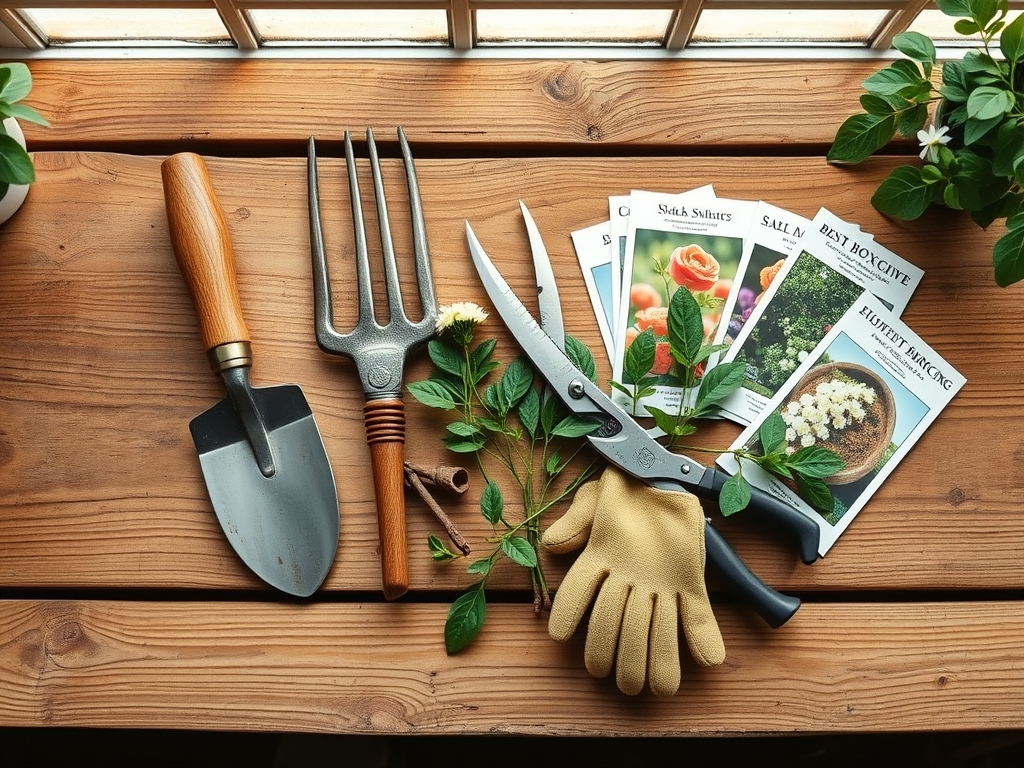
Materials:
Boxwoods require a specific chemical environment to thrive. The ideal soil pH ranges from **6.5 to 7.2**; acidic soils below 6.0 inhibit the uptake of calcium and magnesium, leading to structural weakness. The substrate must be a **friable loam** with a high Cation Exchange Capacity (CEC), allowing the rhizosphere to retain essential nutrients without becoming waterlogged.
For the establishment phase, use a slow-release fertilizer with an NPK ratio of 10-6-4. Nitrogen drives the vegetative growth needed for dense foliage, while phosphorus supports the development of a robust root architecture. Potassium regulates osmotic pressure, protecting the plant against environmental stressors. Incorporate organic matter to ensure the soil maintains a porous structure, which facilitates gas exchange between the roots and the atmosphere.
Timing:
The biological clock of Buxus is dictated by the photoperiod and soil temperature. Planting should occur during the dormant window, either in early spring before the first flush of growth or in late autumn at least six weeks before the first hard frost. Boxwoods are generally hardy in Zones 5 through 9.
The transition from the vegetative stage to dormancy is critical. If high-nitrogen fertilizers are applied too late in the season, the plant may produce tender new growth that lacks the lignification necessary to survive freezing temperatures. Monitor local frost dates closely; the goal is to allow the root system to settle into the soil while the canopy remains metabolically quiet.
Phases:
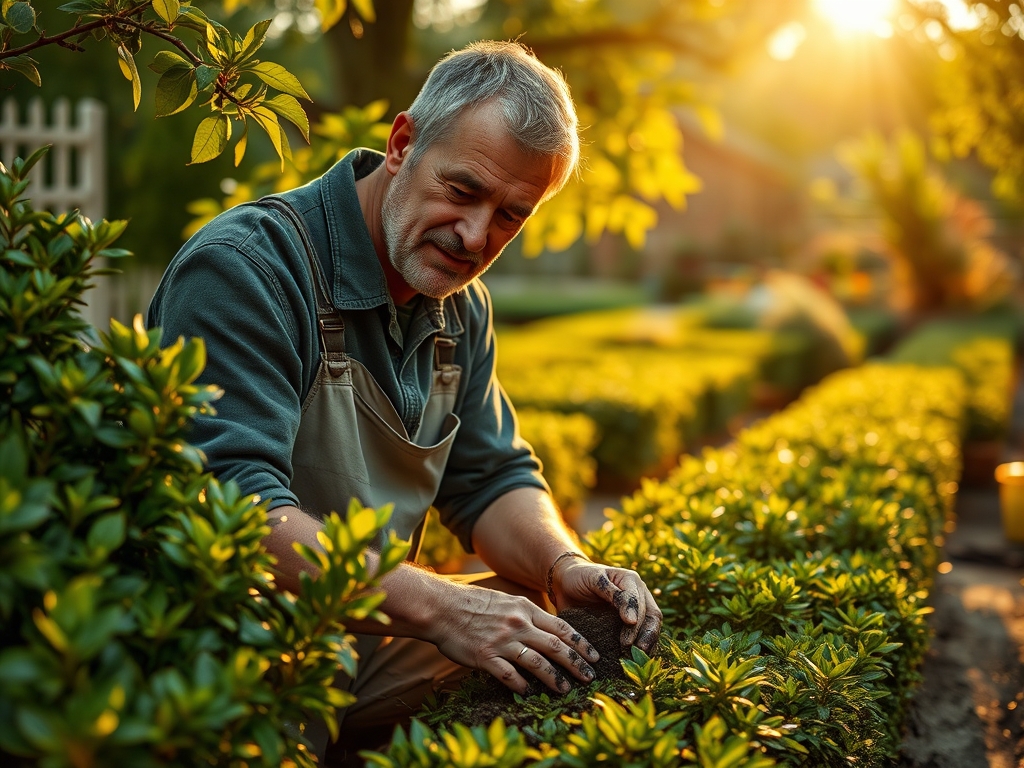
Sowing and Selection
While boxwoods can be grown from seed, formal hedging demands the genetic consistency of clonal propagation. Select cultivars based on their mature dimensions. 'English Boxwood' (Buxus sempervirens 'Suffruticosa') is the standard for low borders, growing only 1 to 2 inches per year. For taller screens, 'Dee Runk' or 'Fastigiata' provide the necessary verticality. Inspect the root ball for a healthy, creamy-white color; dark or mushy roots indicate anaerobic conditions and potential pathogens.
Pro-Tip: Ensure the plant is not root-bound. If roots are circling the container, use a hori-hori knife to make vertical scores. This breaks apical dominance in the roots, stimulating lateral branching and better integration into the surrounding soil.
Transplanting
Dig a trench or hole twice as wide as the root ball but no deeper. The root flare (where the stem meets the roots) must remain 0.5 inches above the soil line. Planting too deep leads to stem suffocation and crown rot. Space plants according to their mature width; for a seamless formal hedge, space them so the edges of the root balls are 6 to 12 inches apart.
Pro-Tip: Inoculate the planting hole with endomycorrhizal fungi. This creates a mycorrhizal symbiosis that effectively expands the root surface area, increasing the plant's ability to absorb phosphorus and water during the critical first year.
Establishing
After backfilling with native soil, apply a 2-inch layer of wood mulch, keeping it away from the main trunk. This regulates soil temperature and prevents moisture evaporation. During the first two growing seasons, the plant focuses on root expansion. Avoid heavy pruning during this stage to allow the plant to maximize its photosynthetic capacity.
Pro-Tip: Use a soil moisture meter to ensure the root zone stays consistently moist but not saturated. Boxwoods are susceptible to drought stress, which triggers the production of abscisic acid, leading to premature leaf drop and a thinning canopy.
The Clinic:
Physiological disorders often mimic disease, but they are frequently rooted in environmental or nutritional imbalances.
- Symptom: Interveinal chlorosis (yellowing between green veins) on new leaves.
- Solution: This indicates an Iron or Manganese deficiency, often caused by high soil pH. Apply a chelated iron drench to lower the localized pH and restore chlorophyll production.
- Symptom: Bronzing or orange-tinted foliage in winter.
- Solution: This is a physiological response to wind desiccation and UV exposure while the ground is frozen. Increase autumn watering and apply an anti-desiccant spray to reduce transpiration.
- Symptom: Cupped or distorted new growth.
- Solution: Often caused by the Boxwood Psyllid. While largely aesthetic, it indicates a need for better airflow. Thin the interior of the plant to reduce humidity.
- Fix-It for Nitrogen Chlorosis: If the entire plant appears pale green or yellow, it lacks nitrogen. Apply a water-soluble 20-20-20 fertilizer at half strength to provide an immediate boost to the nitrogen sink in the foliage.
Maintenance:
Precision is the hallmark of formal hedging. Use bypass pruners for individual branch heading cuts and sharp hedge shears for surface leveling. Clean tools with a 10 percent bleach solution between plants to prevent the spread of spores.
- Watering: Provide 1.5 inches of water per week at the drip line. Avoid overhead irrigation, as wet foliage encourages fungal colonization.
- Pruning: Shear in late spring after the first flush of growth has hardened off. Always prune the top of the hedge slightly narrower than the base. This allows sunlight to reach the lower branches, preventing the "leggy" look caused by shaded-out senescence.
- Soil Testing: Conduct a professional soil test every two years to monitor the Cation Exchange Capacity and adjust mineral inputs.
The Yield:
While boxwoods are not edible, the "yield" of a formal hedge is its architectural density. For those using boxwood clippings for floral arrangements, harvest early in the morning when turgor pressure is at its peak. Submerge the cut ends in cool water immediately. To maintain "day-one" freshness, store clippings in a high-humidity environment at 40 degrees Fahrenheit. This slows the metabolic rate and prevents the breakdown of cellular structures.
FAQ:
What is the best boxwood for a low formal hedge?
Buxus sempervirens 'Suffruticosa' is the premier choice. It features a slow growth rate and dense, small leaves, making it ideal for maintaining sharp, geometric edges in borders under 2 feet in height.
How do I prevent my boxwood hedge from turning brown?
Ensure consistent hydration through autumn and apply mulch to insulate roots. Avoid late-season fertilization, which prevents soft growth that is easily damaged by sub-zero temperatures and winter desiccation.
How often should I prune for a formal look?
Prune twice yearly. The primary shearing occurs in late spring after new growth matures. A secondary light touch-up in late summer maintains the crisp silhouette without stimulating new growth before winter dormancy.
What is the ideal spacing for a boxwood hedge?
For a dense, continuous wall, space plants 15 to 18 inches apart on center. Smaller cultivars like 'Justin Brouwers' may require 10 to 12-inch spacing to close gaps within three growing seasons.