10 Best Cactus Varieties for Yards
The smell of parched mineral dust gives way to the sharp, metallic scent of wet silica when irrigation hits a dry bed. Successful xeriscaping depends on the turgor pressure within the plant parenchyma. Selecting the best cactus varieties for yards requires a clinical understanding of drainage and thermal mass. You are not merely planting; you are engineering a microclimate where succulent tissues must withstand intense solar radiation while maintaining cellular hydration through specialized Crassulacean Acid Metabolism.
Establishing these specimens demands more than aesthetic placement. It requires an analysis of the soil profile and the specific physiological needs of each species. From the towering structural integrity of the Saguaro to the low-profile spreading of the Prickly Pear, each variety occupies a distinct niche in the arid landscape. Proper selection ensures that your yard functions as a high-efficiency biological system rather than a collection of struggling flora. We will focus on species that offer high survival rates and structural permanence.
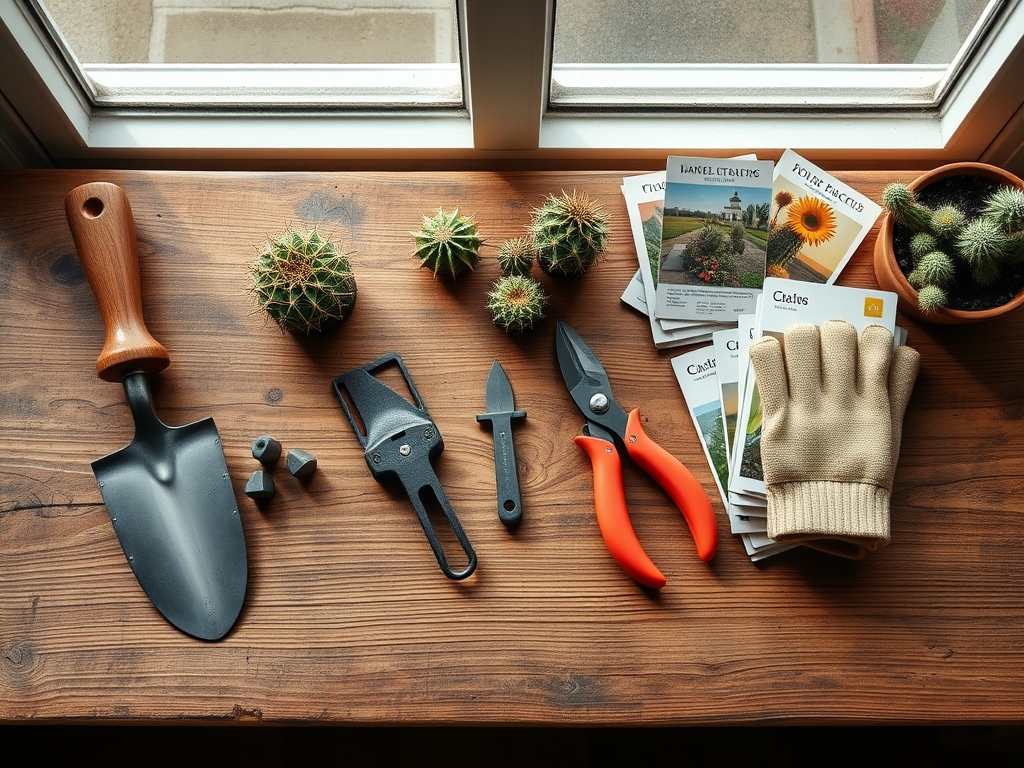
Materials:
The substrate is the foundation of cactus health. You must aim for a friable loam that consists of 40 percent coarse horticultural sand, 30 percent perlite or pumice, and 30 percent organic matter. The soil pH must be maintained between 6.0 and 7.5 to ensure nutrient availability. High alkalinity can lock out essential micronutrients like iron and manganese.
For established yard specimens, the Cation Exchange Capacity (CEC) should be moderate to low to prevent salt accumulation. Use a low-nitrogen fertilizer with an NPK ratio of 5-10-10 or 10-20-20. High nitrogen levels induce rapid, weak growth that is susceptible to cellular rupture during frost events. Incorporate a handful of bone meal (0-12-0) into the planting hole to provide slow-release phosphorus, which is critical for root development and future floral induction.
Timing:
Cactus installation is governed by the thermal window of the local environment. Most desert species thrive in USDA Hardiness Zones 8 through 11, though certain Opuntia species are hardy down to Zone 4. The ideal planting window opens in late spring when soil temperatures consistently reach 65 degrees Fahrenheit. This ensures the metabolic rate is high enough to stimulate immediate root elongation.
The biological clock of a cactus is dictated by the photoperiod and temperature fluctuations. Transitioning from the vegetative stage to the reproductive stage usually requires a period of winter dormancy characterized by temperatures between 45 and 55 degrees Fahrenheit. If you plant too late in the autumn, the specimen will not achieve sufficient root establishment before senescence, leading to desiccation or root rot during the cold, wet months.
Phases:
Sowing and Propagation
While many start with nursery stock, sowing from seed requires a controlled environment. Place seeds on the surface of a dampened vermiculite mix. Maintain a constant temperature of 75 degrees Fahrenheit. Cover with a transparent lid to maintain 90 percent humidity until germination occurs, usually within 14 to 21 days.
Pro-Tip: Maintain high humidity during the first 60 days because young seedlings lack the thick waxy cuticle (cutin) of mature plants. This prevents lethal desiccation before the development of the water-storing vacuoles.
Transplanting
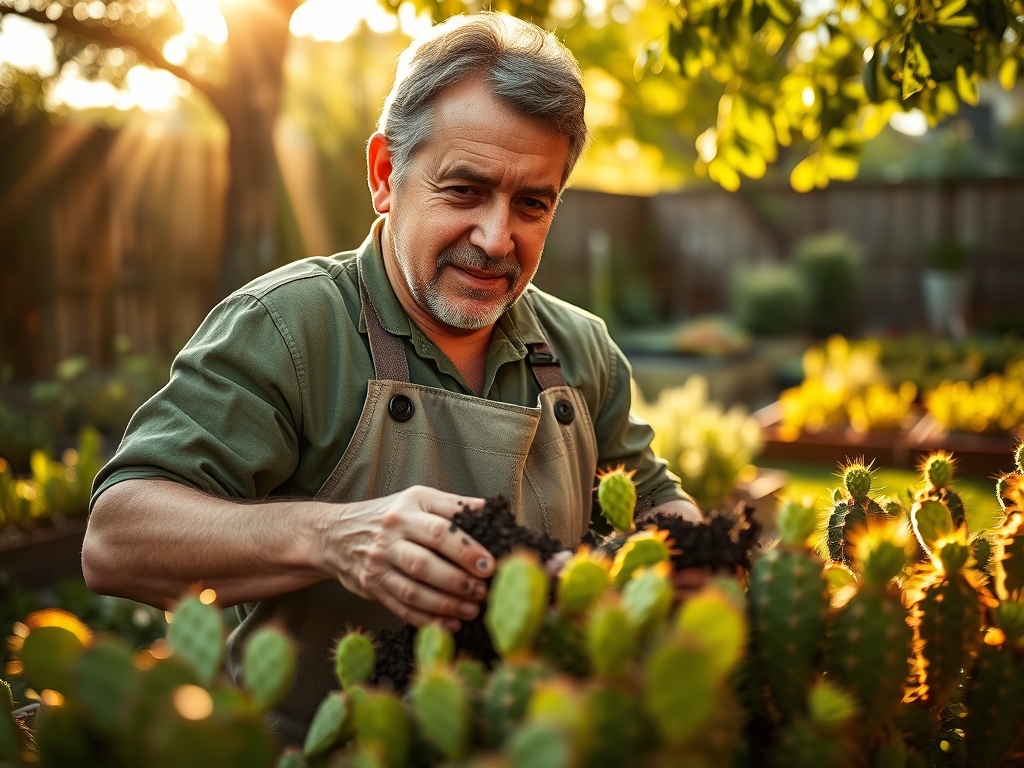
When moving a specimen into the yard, excavate a hole twice as wide as the root ball but no deeper. Use a hori-hori knife to gently tease out any circling roots. Orient the plant in the same direction it was previously growing. The side of the cactus that faced south has developed a thicker epidermis to handle the UV load; rotating it 180 degrees can cause immediate epidermal scorching.
Pro-Tip: Do not water the cactus for at least 7 to 10 days after transplanting. This allows any roots damaged during the move to callous over, preventing soil-borne pathogens from entering the vascular system through open wounds.
Establishing
During the first growing season, the focus is on the rhizosphere. Monitor the soil with a soil moisture meter at a depth of 6 inches. The goal is to encourage deep root penetration. Provide deep, infrequent irrigation rather than shallow mists. This forces the roots to seek moisture deeper in the soil profile, increasing the plant's future drought tolerance.
Pro-Tip: Apply a 2-inch layer of inorganic mulch, such as crushed granite or river rock, around the base. This acts as a thermal regulator, keeping the root zone cooler in the summer and warmer in the winter while preventing crown rot by facilitating rapid surface drainage.
The Clinic:
Physiological disorders in cacti often manifest as changes in skin texture or color.
- Symptom: Etiolation (Paling and stretching toward light).
- Solution: This is a response to insufficient light. The plant is sacrificing structural integrity for vertical growth to find a light source. Gradually move the plant to a location with at least 6 hours of direct solar radiation.
- Symptom: Corking (Brown, bark-like skin at the base).
- Solution: This is often a natural sign of aging as the plant creates structural support. However, if it moves rapidly up the plant, check for soil compaction. Ensure the soil remains friable to allow for gas exchange.
- Symptom: Nitrogen Chlorosis (Yellowing of the entire plant body).
- Solution: Apply a balanced, water-soluble fertilizer at half strength. Nitrogen is a mobile nutrient; the plant will redistribute it to new growth once the deficiency is corrected.
Fix-It: If you observe soft, blackened spots at the base, this is likely root rot. Cease irrigation immediately. Use bypass pruners to remove any necrotic tissue. Treat the area with a sulfur-based fungicide and improve the drainage of the surrounding soil by incorporating more pumice.
Maintenance:
Maintenance for the best cactus varieties for yards is a matter of precision. During the peak growing season (April to September), provide 1.5 inches of water every two weeks at the drip line. Avoid wetting the body of the cactus to prevent fungal spores from germinating in the areoles.
Use a hori-hori knife to remove weeds that compete for nutrients in the rhizosphere. If pruning is required for structural balance or to remove damaged limbs, use sterilized bypass pruners. Make clean cuts at the joint to minimize the surface area of the wound. Monitor for pests like mealybugs by inspecting the crevices of the ribs; if found, a localized application of 70 percent isopropyl alcohol via a cotton swab is the most effective mechanical control.
The Yield:
For varieties like the Opuntia ficus-indica, the yield consists of both pads (nopales) and fruit (tunas). Harvest pads when they are approximately the size of a human hand and still tender. Use a sharp blade to sever the pad at the joint. For the fruit, wait until the color shifts from green to a deep magenta or gold, indicating a high brix (sugar) level.
Handle all harvests with tongs or heavy leather gloves to avoid glochids. Post-harvest, store the pads in a cool, dry environment at 40 to 45 degrees Fahrenheit to maintain turgor. The fruit should be consumed or processed within three days to ensure "day-one" freshness and optimal nutrient density.
FAQ:
How often should I water my yard cactus?
Water every 10 to 14 days during the summer heat. In winter, reduce frequency to once every 4 to 6 weeks. Always check that the top 3 inches of soil are completely dry before adding more moisture.
What is the best fertilizer for cacti?
Use a low-nitrogen, high-phosphorus formula like 5-10-10. Apply at half-strength during the active growing season. Avoid fertilizing in the winter when the plant's metabolic rate drops and it enters a state of dormancy.
Can cacti survive a hard frost?
It depends on the species. Many Opuntia and Coryphantha varieties tolerate temperatures below 0 degrees Fahrenheit. However, most desert species require protection if temperatures drop below 32 degrees Fahrenheit for more than four consecutive hours.
Why is my cactus turning yellow?
Yellowing, or chlorosis, usually indicates nutrient deficiency or overwatering. Check the soil moisture first. If the soil is dry, the plant likely needs a dose of chelated iron or a balanced low-nitrogen fertilizer to restore chlorophyll production.