9 Stunning Ways How to Design a Desert Landscape
The scent of wet creosote after a monsoon rain signals a shift in soil chemistry that every high-arid gardener recognizes. Successful cultivation in arid environments requires more than aesthetic choices; it demands an understanding of hydraulic conductivity and thermal mass. To master how to design a desert landscape, you must prioritize the structural integrity of the rhizosphere. This involves managing high solar radiation and extreme diurnal temperature swings that can exceed 50 degrees Fahrenheit in a single 24 hour period. Maintaining turgor pressure in succulent tissues while preventing root rot in heavy clay soils is the primary challenge. You are not merely planting; you are engineering a biological system capable of surviving intense evaporation rates. This guide provides the technical framework to build a resilient, high-performance desert environment from the ground up.
Materials:
The foundation of desert design is the substrate. Most desert soils are alkaline, ranging from pH 7.5 to 8.5, and often contain high levels of calcium carbonate. You require a friable loam texture that allows for rapid gas exchange. For native species, avoid high-nitrogen fertilizers which cause weak, leggy growth. Instead, use a slow-release NPK ratio of 5-10-10 to support root development and flowering without compromising structural strength.
Incorporate inorganic mulches such as decomposed granite or 3/4 inch crushed rock. These materials provide a high Cation Exchange Capacity (CEC) in the organic layers while preventing surface evaporation. If your soil is heavy clay, integrate expanded shale to increase macropore space. This ensures that the oxygen levels in the root zone remain sufficient during the infrequent but heavy irrigation cycles common in arid horticulture.
Timing:
Desert landscaping timing is dictated by the Hardiness Zones 8 through 11. The primary planting window opens in the fall, specifically from late September through November. This allows plants to establish root systems during the cool season when transpiration rates are low. The "Biological Clock" of desert perennials involves a winter dormancy or semi-dormancy, followed by a rapid transition from vegetative to reproductive stages as the photoperiod increases in March.
Avoid planting during the summer solstice when the UV index is at its peak. High heat can lead to photoinhibition, where the plant shuts down its photosynthetic machinery to prevent cellular damage. If you must plant in spring, ensure it is done at least six weeks before the first consistent 100 degree Fahrenheit day to allow the vascular system to stabilize.
Phases:
Sowing
When sowing desert wildflowers or native grasses, scarification is often necessary to break seed dormancy. Use a light sandpaper to nick the seed coat of lupines or desert senna. Broadcast seeds onto a prepared bed of decomposed granite and lightly rake them to a depth of 1/8 inch.
Pro-Tip: Proper seed-to-soil contact is vital because it initiates imbibition, the process where the seed absorbs water to activate metabolic pathways. Without this physical connection, the embryo remains dormant regardless of moisture levels.
Transplanting
Dig a hole twice as wide as the root ball but no deeper. The top of the root crown must remain 0.5 inches above the soil line to prevent crown rot. Gently tease the roots if they are pot-bound to encourage lateral growth into the native soil.
Pro-Tip: Apply a mycorrhizal inoculant during transplanting. This fosters a mycorrhizal symbiosis where fungal hyphae extend the root system's reach, significantly increasing the uptake of phosphorus and water in nutrient-poor desert soils.
Establishing
During the first 90 days, irrigation must be consistent. Use a soil moisture meter to ensure the root zone stays moist but not saturated. Gradually transition the plant to deeper, less frequent watering to encourage the taproot to seek moisture at lower soil horizons.
Pro-Tip: Do not prune the lower branches of young desert trees like Palo Verde or Mesquite immediately. These branches protect the thin bark from sunscald and provide the trunk with the auxins necessary for structural thickening.
The Clinic:
Desert plants exhibit specific physiological disorders when the environment or nutrient balance is off.
- Iron Chlorosis: Symptoms include yellowing leaves with dark green veins. This is common in high pH soils where iron becomes insoluble. Solution: Apply chelated iron to the soil or as a foliar spray to lower the local pH and restore chlorophyll production.
- Edema: Small, corky bumps on the underside of succulent leaves. This happens when the plant absorbs water faster than it can transpire it. Solution: Reduce irrigation frequency and improve airflow around the plant.
- Nitrogen Deficiency: General paling of older leaves and stunted growth. Fix-It: Apply a low-dose, water-soluble 10-10-10 fertilizer at half strength to boost vegetative vigor without causing salt burn.
- Sunscald: Bleached, papery patches on the south-facing side of stems. Solution: Use a temporary shade cloth (30% density) during the first summer to allow the plant to build up protective epicuticular wax.
Maintenance:
Precision is the hallmark of professional desert maintenance. Use a soil moisture meter to verify that the top 2 inches of soil are dry before re-watering. Established desert shrubs typically require 1.5 inches of water every 14 days during the peak of summer, delivered via a drip system at the drip line.
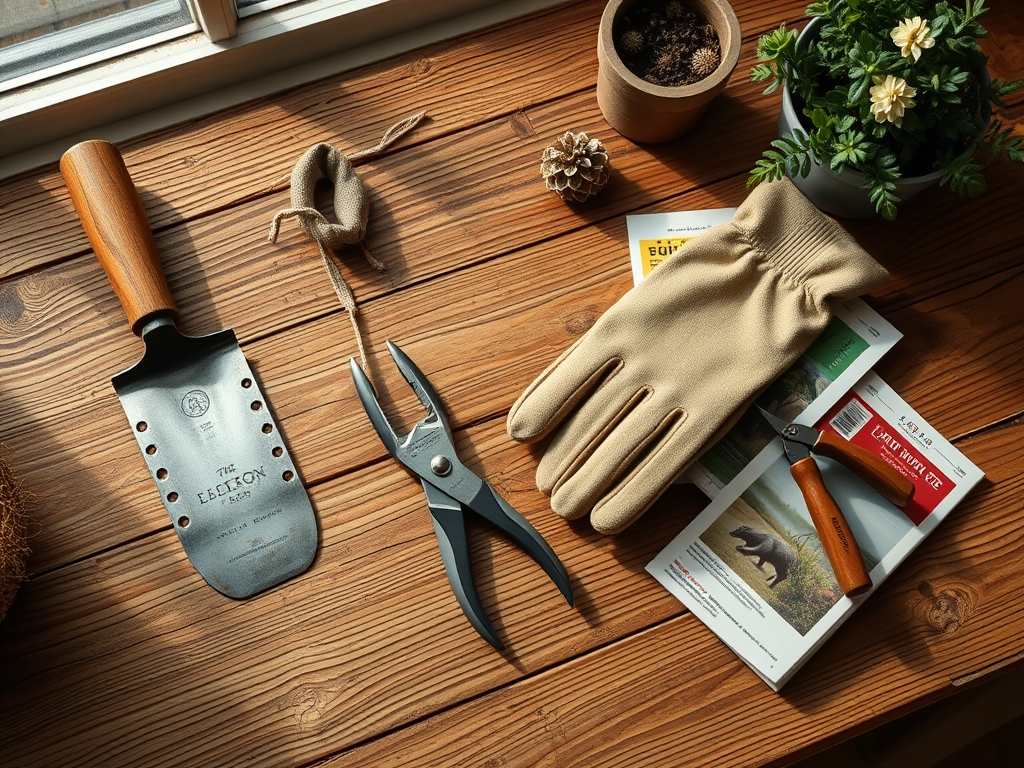
Utilize bypass pruners for clean cuts on woody perennials. Always prune to a lateral bud or branch collar to facilitate rapid compartmentalization of the wound. For weeding, a hori-hori knife is the superior tool for extracting deep-taproot weeds like puncturevine without disturbing the shallow lateral roots of your desired desert flora. Monitor for senescence in flowering perennials and deadhead spent blooms to redirect energy back into the root system.
The Yield:
For those incorporating edible desert plants like Prickly Pear (Opuntia) or Pomegranate, harvest timing is critical for brix levels (sugar content). Harvest Prickly Pear fruit (tunas) when they turn a deep magenta and the glochids (tiny spines) begin to fall off naturally. Use tongs and a sharp knife to remove the fruit without tearing the skin.
For "day-one" freshness, store harvested desert fruits in a cool, dry place at approximately 55 degrees Fahrenheit. Do not wash them until immediately before consumption, as moisture on the skin can encourage fungal pathogens. Handling these plants post-harvest requires care to maintain the integrity of the fruit's protective cuticle.
FAQ:
How often should I water my new desert landscape?
Water newly installed plants every 2 to 3 days for the first month. Gradually increase the interval to once a week as roots establish. Always use a soil moisture meter to check the depth of hydration.
What is the best mulch for a desert garden?
Inorganic mulches like crushed rock or gravel are best. They do not decompose rapidly in high heat and help regulate soil temperature. Apply a layer 2 to 3 inches deep for maximum moisture retention.
Can I grow succulents in full desert sun?
Most succulents require filtered shade or afternoon protection in desert climates. While species like Agave can handle intense light, many Echeveria or Crassula will suffer from photoinhibition and tissue scarring if left in direct 100 degree sun.
Why are my cactus turning yellow?
Yellowing often indicates nitrogen chlorosis or overwatering leading to root stress. Check the soil drainage. If the substrate is waterlogged, cease irrigation. If the soil is dry, apply a light dose of balanced fertilizer.
When is the best time to prune desert trees?
Prune desert trees in late winter while they are dormant. This prevents sap loss and reduces the risk of attracting boring insects. Avoid heavy pruning in summer to prevent sunscald on newly exposed interior branches.