5 Easy Ways How to Use a Basket Planter Liner
Basket planter liners transform wire-frame hanging baskets into functional growing containers by retaining moisture and supporting root development. Understanding how to use a basket planter liner correctly determines whether your aerial plantings thrive or wither within weeks. The difference lies in matching liner material to plant water requirements, securing proper drainage gradients, and establishing mycorrhizal fungi colonization at installation.
Materials
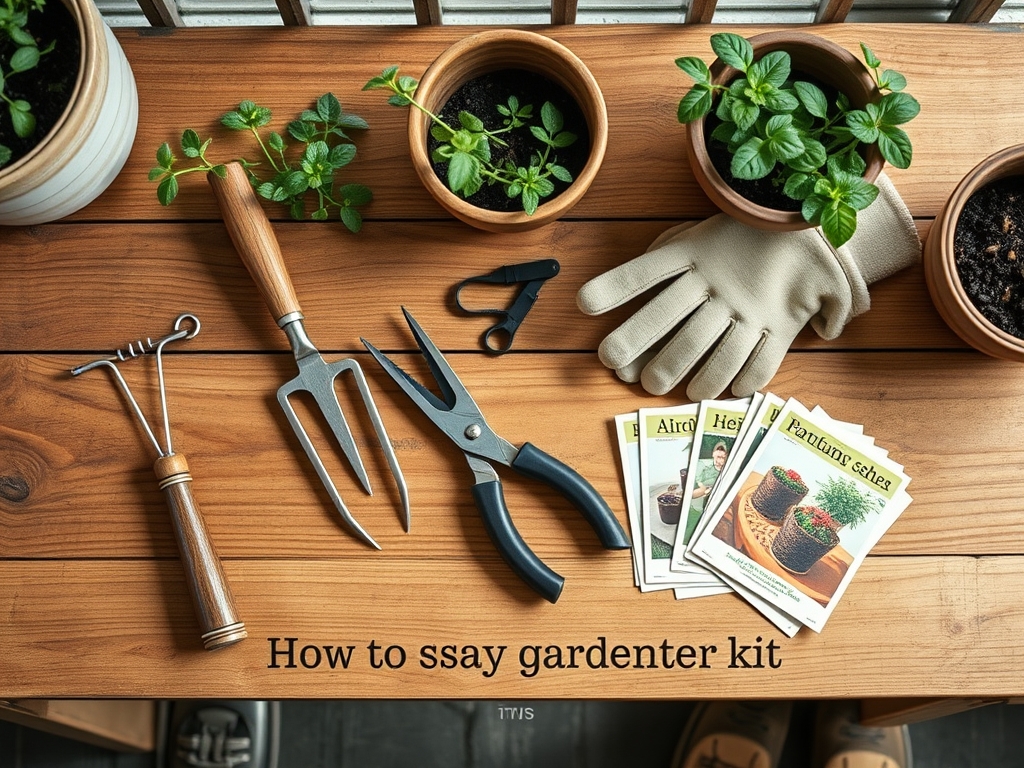
Liner Types by Water Retention:
Coir fiber liners hold moderate moisture and maintain pH 5.8-6.5. They decompose slowly over 2-3 seasons. Sphagnum moss liners retain maximum water but acidify substrate to pH 4.0-5.0, ideal for azaleas and heathers. Compressed paper liners offer pH neutrality (6.5-7.0) but deteriorate within one season.
Growing Medium Specifications:
Combine 2 parts peat-based mix with 1 part perlite for cation exchange capacity of 15-20 meq/100g. Add 4-4-4 organic meal at 2 tablespoons per gallon of substrate. Incorporate 1 tablespoon mycorrhizal inoculant directly at root zones. For acid-loving species, substitute peat with composted pine bark to maintain pH below 5.5.
Structural Components:
Wire baskets require 12-14 inch diameter minimum for adequate root volume. Galvanized steel resists oxidation for 5-7 years. Plastic-coated frames last 3-4 seasons before UV degradation compromises integrity.
Timing
Install basket planter liners after the last spring frost date when nighttime temperatures stabilize above 50°F. In Zone 5, this occurs May 15-30. Zone 7 gardeners can install April 10-25. Zone 9 allows year-round installation but requires shade cloth during June-August when ambient temperatures exceed 90°F.
Fall installation works for cool-season crops in Zones 8-10. Plant between September 15-October 15 when daytime highs remain below 75°F. Root establishment requires 4-6 weeks before first frost.
Phases

Sowing:
Soak coir or moss liners in water with 1/4 teaspoon kelp extract per gallon for 20 minutes. This activates auxin distribution and prepares fibers for compression. Press saturated liner against basket interior, overlapping seams by 1 inch minimum. Trim excess material 1/2 inch above basket rim.
Fill liner base with 2 inches of growing medium. Tamp gently to eliminate air pockets that disrupt capillary action. Create planting pockets by cutting X-shaped slits in liner sides, each 2 inches across. Space pockets 4-6 inches apart in staggered rows.
Pro-Tip: Apply slow-release 14-14-14 granules at 1 teaspoon per pocket before inserting transplants. This establishes nutrient reservoirs at feeder root depth.
Transplanting:
Remove transplants from cell packs 30 minutes after watering to preserve root ball integrity. Insert root balls through side pockets, positioning crown flush with liner exterior. Pack additional substrate around roots using a chopstick to eliminate voids.
Plant top surface densely, spacing transplants 3-4 inches apart. Alternate upright, mounding, and trailing growth habits in concentric rings. Position tallest specimens at center, cascading varieties at perimeter.
Water immediately with 1 gallon dilute solution: 1 tablespoon fish emulsion (5-1-1) per gallon. Saturate until drainage begins from bottom pockets.
Pro-Tip: Prune terminal growing points at 45-degree angles on trailing species to force lateral branching. This doubles flower bud initiation within 3 weeks.
Establishing:
Hang baskets where they receive appropriate light intensity. Full-sun annuals require 6-8 hours direct radiation. Shade-tolerant impatiens and begonias need filtered light or morning sun only.
Monitor substrate moisture by inserting finger 2 inches deep daily. Basket liners dry 40% faster than ground containers due to radial exposure. Roots colonize liner material within 10-14 days, visible as white growth penetrating fiber matrix.
Pro-Tip: Spray liner exterior with compost tea (1:5 dilution) weekly. This introduces beneficial bacteria that suppress Botrytis cinerea spores on damp organic material.
Troubleshooting
Symptom: Premature wilting despite adequate soil moisture. Leaf margins remain turgid while stems collapse.
Solution: Root rot from Pythium species. Remove affected plants. Drench remaining substrate with hydrogen peroxide solution (1 tablespoon 3% per quart water). Reduce irrigation frequency by 30%.
Symptom: White crusty deposits on liner exterior. Leaves show interveinal chlorosis.
Solution: Salt accumulation from excessive fertilization. Leach baskets with 2 gallons plain water. Resume feeding at half previous concentration.
Symptom: Liner material separating from basket frame. Dry patches form despite regular watering.
Solution: Inadequate initial saturation. Submerge entire basket in water for 15 minutes to re-wet hydrophobic fibers. Add 2 drops dish soap per gallon as wetting agent.
Symptom: Spider mite stippling on lower foliage. Fine webbing visible at leaf axils.
Solution: Increase humidity by misting liner exterior twice daily. Apply insecticidal soap (2% potassium salts) at 7-day intervals for 3 applications.
Maintenance
Apply 1 inch of water when top 1 inch of substrate feels dry to touch. This typically requires daily irrigation during temperatures above 80°F. Reduce to every 48 hours when highs remain below 70°F.
Feed every 10 days with water-soluble 20-20-20 at 1/2 manufacturer's recommended strength. Leach monthly with plain water to prevent salt buildup.
Deadhead spent flowers every 3 days to redirect auxin flow toward new bud formation. Prune leggy growth back to nearest leaf node at 6-week intervals.
FAQ
How long do basket planter liners last?
Natural fiber liners decompose over 1-3 seasons depending on moisture exposure. Coir persists longest. Replace when material tears easily or loses structural integrity.
Can I reuse basket planter liners?
Synthetic felt liners tolerate reuse after sanitizing with 10% bleach solution. Natural materials harbor pathogens and should be composted after single season.
What thickness works best for basket planter liners?
3/4 inch thick liners balance water retention with adequate aeration. Thinner materials dry too rapidly. Thicker liners restrict oxygen diffusion to roots.
Should I line the entire basket or leave the bottom open?
Line completely but pierce drainage holes every 2 inches across bottom. This retains substrate while preventing waterlogged conditions that cause anaerobic respiration.
Do basket planter liners affect fertilizer requirements?
Organic liners absorb 15-20% of applied nutrients initially. Increase feeding frequency during first 3 weeks until liner material saturates with mineral ions.