9 Vital Steps to Become a Rare Plant Collector
The scent of damp, anaerobic decomposition signals a failing root system, but the crisp snap of a petiole with high turgor pressure confirms a specimen in its physiological prime. To master the steps to become a rare plant collector, you must move beyond casual gardening into the realm of botanical engineering. This pursuit requires a clinical understanding of cellular respiration and precise environmental control. Success is measured in millimeters of new growth and the maintenance of variegation through light manipulation.
Collecting rare specimens is an exercise in managing metabolic rates and substrate chemistry. You are no longer just growing plants; you are maintaining a living museum of genetic anomalies. Every decision, from the Cation Exchange Capacity (CEC) of your potting mix to the spectral output of your lighting, dictates whether a specimen thrives or enters a state of permanent senescence. This guide provides the technical framework necessary to transition from a hobbyist to a serious collector of high value botanical assets.
Materials:
Rare plants often require specific substrate densities to prevent root hypoxia. A friable loam or a custom aroid mix is essential. Aim for a soil pH between 5.8 and 6.5 for most tropical epiphytes to ensure maximum nutrient bioavailability.
- Substrate Composition: Mix 40 percent coarse orchid bark, 30 percent perlite, 20 percent chopped sphagnum moss, and 10 percent horticultural charcoal. This ensures a high macroporosity for gas exchange.
- NPK Ratios: For vegetative growth, utilize a water soluble fertilizer with a 9-3-6 ratio. This provides the necessary nitrogen for chlorophyll production while maintaining phosphorus and potassium levels for structural integrity.
- Micronutrients: Ensure the presence of chelated iron and magnesium. Magnesium is the central atom in the chlorophyll molecule; a deficiency will lead to interveinal chlorosis.
Timing:
Most rare collectors operate in controlled indoor environments, but understanding USDA Hardiness Zones is critical for greenhouse management. Rare species from Southeast Asia or South America typically require conditions mimicking Zones 11 through 13. Temperatures must remain between 65 and 85 degrees Fahrenheit.
The biological clock of a rare plant is governed by the photoperiod. Transitioning from vegetative to reproductive stages often requires a shift in light duration. For many tropicals, a consistent 12 to 14 hour light cycle prevents the plant from entering dormancy. Monitor the "critical night length" to ensure the plant does not trigger early flowering, which can divert energy away from leaf development and root expansion.
Phases:
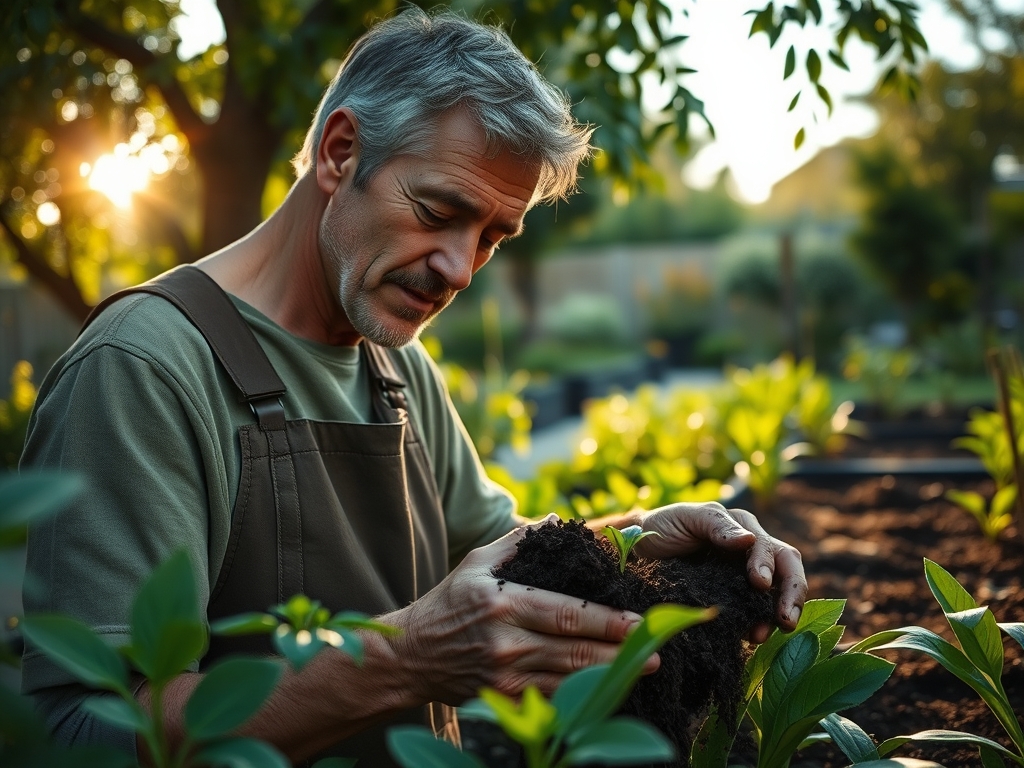
Sowing and Propagation
Rare plants are seldom grown from seed due to genetic instability; instead, they are propagated via nodal cuttings or tissue culture. When taking a cutting, ensure at least one axillary bud is present. Use a sterilized blade to prevent the introduction of pathogens into the vascular bundle.
Pro-Tip: Apply a rooting hormone containing Indole-3-butyric acid (IBA). This synthetic auxin triggers the dedifferentiation of parenchyma cells into root primordia, accelerating the establishment of a new root system through auxin-induced cell elongation.
Transplanting
Move the specimen when the root mass begins to circle the perimeter of the container. This prevents the plant from becoming "pot-bound," a state that restricts the uptake of water and minerals. Ensure the new container is only 2 inches wider than the previous one to avoid "perched water tables" in excess soil.
Pro-Tip: Inoculate the root zone with mycorrhizal fungi during transplanting. This symbiotic relationship increases the effective surface area of the root system, enhancing the uptake of phosphorus and water through a network of fungal hyphae.
Establishing
The first 21 days post-transplant are critical for establishment. Maintain high humidity (above 70 percent) to reduce the transpiration rate while the roots recover. Avoid heavy fertilization during this window to prevent osmotic shock to the new root hairs.
Pro-Tip: Use a soil moisture meter to ensure the rhizosphere remains consistently moist but not saturated. Overwatering fills the soil pores with water, displacing oxygen and leading to root rot through anaerobic respiration.
The Clinic:
Physiological disorders in rare plants often manifest as visual cues in the foliage.
- Symptom: Yellowing of older leaves (Chlorosis).
- Solution: Increase nitrogen application. Nitrogen is a mobile nutrient; the plant will pull it from older growth to support new meristematic development.
- Symptom: Brown, "burnt" leaf tips.
- Solution: This often indicates "tip burn" caused by low humidity or excess mineral salts in the substrate. Flush the soil with distilled water to lower the Electrical Conductivity (EC).
- Symptom: Small, distorted new growth.
- Solution: Check for Calcium deficiency. Calcium is immobile and necessary for cell wall structural integrity. Supplement with a Cal-Mag additive.
- Symptom: Edema (water-soaked spots).
- Solution: Improve airflow and reduce watering frequency. This occurs when the roots take up water faster than the leaves can transpire it, causing cells to rupture.
Maintenance:
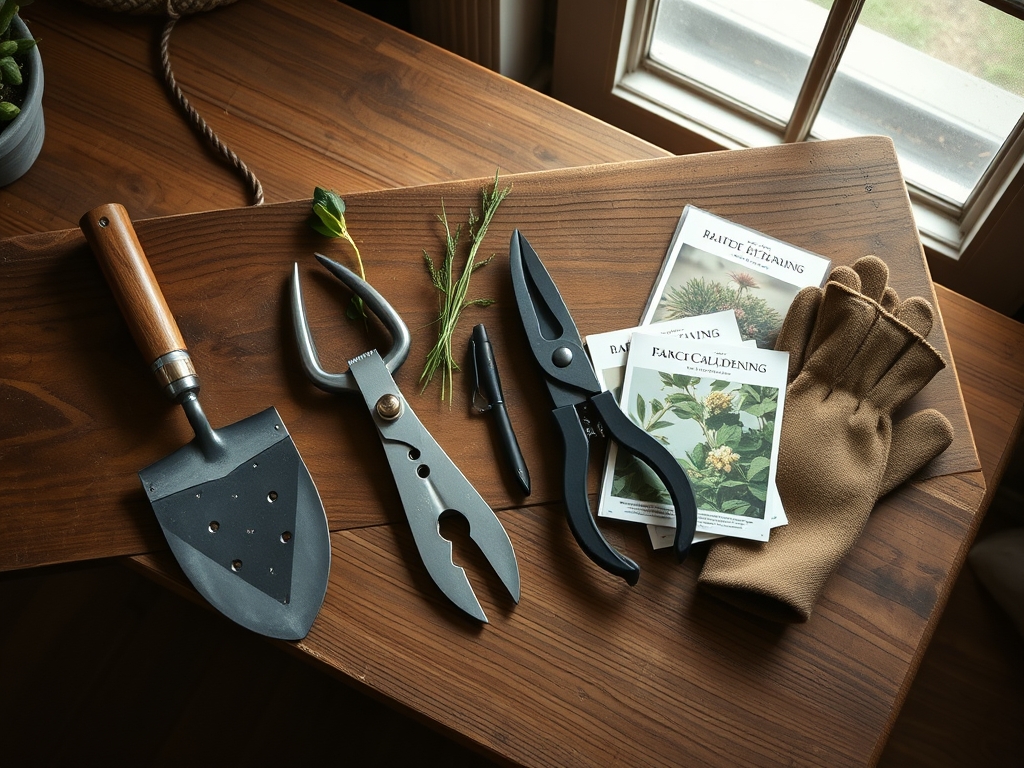
Precision maintenance is the hallmark of a professional collector. Provide 1.5 inches of water per week at the drip line for larger potted specimens, or use a "soak and dry" method for epiphytes. Use a hori-hori knife for precise root pruning and bypass pruners for clean foliage removal to prevent tissue crushing.
Monitor light intensity using a PAR meter. Most rare variegated plants require between 200 and 400 micromoles of light for optimal growth without scorching the non-chlorophyllous tissue. Clean leaves bi-weekly with distilled water to remove dust, which can block stomata and reduce photosynthetic efficiency by up to 15 percent.
The Yield:
While rare plants are often kept for their aesthetic value, "harvesting" usually refers to taking cuttings for trade or sale. Use a sterilized blade to cut 0.5 inches below a node. Immediately place the cutting in a high-humidity environment or a sterile propagation medium like perlite or leca.
To maintain "day-one" freshness for transport, wrap the root end in damp sphagnum moss and seal it in a polyethylene bag. This maintains high turgor pressure within the cells, preventing wilting during the transition. For flowering species, harvest when the primary bud is 75 percent open to ensure maximum vase life and metabolic stability.
FAQ:
How do I increase the value of my rare plant?
Maintain high light levels to maximize variegation and ensure the plant is "fully established" with a robust root system. Use a 9-3-6 NPK fertilizer to promote thick, healthy stems and large leaf surface areas.
What is the best humidity for rare tropical plants?
Most rare tropicals thrive in 65 to 85 percent humidity. This range reduces the vapor pressure deficit (VPD), allowing the plant to keep its stomata open for CO2 uptake without losing excessive moisture through transpiration.
How often should I fertilize my rare collection?
During the active growing season, apply a diluted liquid fertilizer every two weeks. Use a "flush" of plain water every fourth watering to prevent the buildup of mineral salts, which can cause root desiccation.
Why are the leaves on my rare plant turning brown?
Brown edges usually indicate low humidity or salt buildup in the substrate. Check the soil pH and ensure it is between 5.8 and 6.5. If the soil is too acidic or alkaline, nutrient lockout can occur.