8 Simple Ways How to Treat Corn Earworms
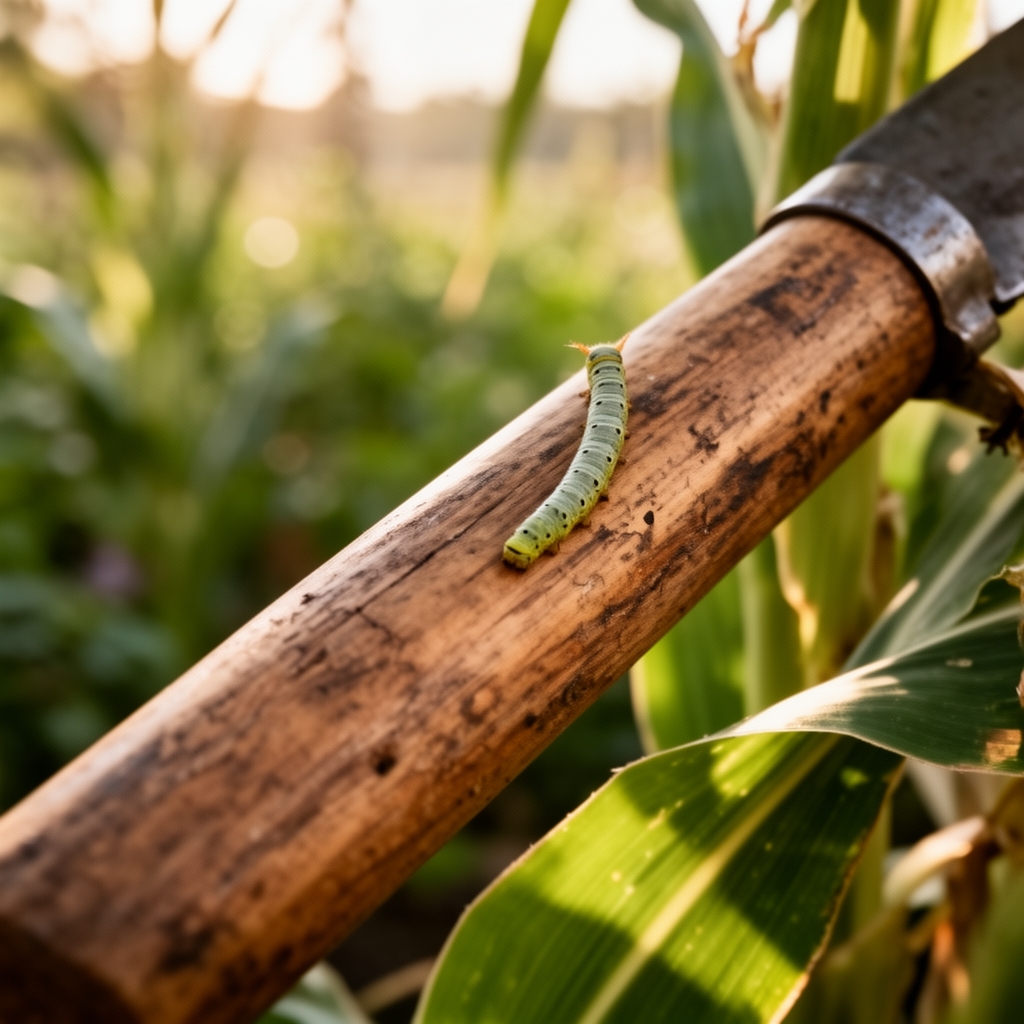
Corn earworms chew through the silk channel and bore directly into developing kernels, leaving frass trails and inviting secondary rot. Each larva can destroy up to 5 percent of a cob's yield, and populations peak when tasseling coincides with the moth's egg-laying cycle. Understanding how to treat corn earworms requires a layered approach that integrates cultural practices, biological controls, and targeted applications timed to larval emergence rather than reactive spraying.
Materials
Effective earworm management starts with soil health and companion plantings that support natural predator populations. Amend beds with a 4-4-4 organic meal (feather, bone, and kelp) to maintain neutral pH between 6.0 and 6.8, which optimizes nutrient uptake without stressing plants. A cation exchange capacity above 10 meq/100g ensures steady nitrogen release during the rapid vegetative phase.
Stock Bacillus thuringiensis var. kurstaki (Btk) in liquid concentrate. This crystalline protein disrupts the midgut of lepidopteran larvae and remains non-toxic to beneficial insects when applied at dusk. Add a spreader-sticker with a surfactant concentration of 0.25 percent to improve leaf and silk adhesion.
Purchase pheromone traps calibrated to Helicoverpa zea. These triangular cards lure male moths and provide a week-by-week population index. Neem oil (azadirachtin content above 1,500 ppm) serves as a secondary ovicide and feeding deterrent. Diatomaceous earth (food-grade, silicon dioxide above 85 percent) dusted onto silks creates a physical barrier against newly hatched larvae.
Plant marigolds (Tagetes patula) in a 3:1 corn-to-marigold ratio around block perimeters. Their limonene emissions confuse host-finding behavior. Retain a small flowering border of alyssum or dill to harbor parasitoid wasps (Trichogramma spp.) that target earworm eggs.
Timing
In Zones 5 through 7, direct-sow corn two weeks after the last frost date when soil temperature reaches 60 degrees Fahrenheit at a 2-inch depth. Early plantings before peak moth flight reduce infestation pressure. Stagger successive plantings at 10-day intervals so that silking periods avoid the late-July to mid-August window when earworm populations crest.
In Zones 8 and 9, plant a fall crop 90 days before the first expected frost. Cooler night temperatures during silk emergence slow larval metabolism and reduce feeding damage. Monitor pheromone trap counts weekly starting at the V10 stage. When trap captures exceed five moths per night over three consecutive nights, begin Btk applications.
Reapply Btk every 5 to 7 days during the entire silking window. Evening applications preserve the protein's UV stability and align with larval hatching cycles at dawn.
Phases

Sowing
Plant kernels 1 inch deep in blocks of at least four rows to ensure wind pollination. Space seeds 8 inches apart within rows and leave 30 inches between rows. Blocks improve silk synchrony and shorten the vulnerable window when earworm moths locate fresh silk.
Inoculate seed furrows with mycorrhizal fungi (Glomus intraradices) at 10 spores per gram of soil. These symbionts expand phosphorus uptake by 40 percent and improve drought resilience. Cover with loose soil and irrigate with 0.5 inch of water to settle roots without compacting.
Pro-Tip: Roll kernels in powdered rock phosphate before sowing. The coating supplies 30 percent phosphorus pentoxide and establishes early auxin distribution for robust root architecture.
Transplanting
Transplanting corn is rarely advisable, but if starting indoors under short-season constraints, sow in 4-inch soil blocks three weeks before the last frost. Maintain 70-degree Fahrenheit bottom heat and full-spectrum light for 14 hours daily. Harden seedlings over seven days by reducing water to 0.25 inch every other day and exposing them to outdoor wind.
Dig planting holes 10 inches deep and backfill with compost at a 1:3 ratio. Set blocks level with the surrounding grade to avoid stem rot. Water immediately with a kelp solution diluted to 1 tablespoon per gallon to mitigate transplant shock.
Pro-Tip: Trim any circling roots at a 45-degree angle before setting blocks. This pruning stimulates lateral root branching and prevents girdling.
Establishing
Once plants reach the V6 stage (six fully expanded leaves), side-dress with additional 4-4-4 meal at 2 ounces per plant in a 6-inch band. Hill soil around the base to a depth of 3 inches, which anchors brace roots and improves wind resistance.
Begin pheromone trap monitoring. Apply mineral oil to silk tips three days after silk emergence, using a medicine dropper to deliver 0.5 mL per ear. The oil suffocates early-instar larvae before they penetrate the husk. Repeat every three days until silks brown.
Pro-Tip: Clip silk ends 0.5 inch above the husk tip once pollination is complete. This closure denies late-arriving larvae an entry point and reduces frass accumulation.
Troubleshooting
Symptom: Frass at silk channel entrance, kernels hollowed near the tip.
Solution: Increase Btk frequency to every four days. Mix with 1 tablespoon of molasses per gallon to enhance larval ingestion. Inspect ears and manually remove larvae with tweezers at dawn when they are sluggish.
Symptom: Brown silk collapse before kernel set.
Solution: Verify adequate boron levels (0.5 to 1.0 ppm in soil). Foliar spray with 1 teaspoon borax per gallon at pre-tassel to improve pollen tube elongation.
Symptom: Secondary mold on damaged kernels.
Solution: Apply a Bacillus subtilis drench at kernel dent stage. This competitive colonizer occupies infection sites and releases antifungal lipopeptides.
Symptom: Parasitized larvae but continuing damage.
Solution: Wasp emergence lags by one generation. Continue Btk applications until trap counts drop below two moths per night for 10 consecutive nights.
Symptom: Silk desiccation before pollination window closes.
Solution: Increase irrigation to 1.5 inches per week during tasseling. Use drip lines to maintain consistent moisture without wetting foliage.
Maintenance
Deliver 1 inch of water per week from tasseling through grain fill. Split irrigation into two 0.5-inch events to minimize runoff and maintain aerobic root zones. Mulch with 2 inches of straw to suppress weeds and stabilize soil temperature within the 68 to 75-degree Fahrenheit range that optimizes nutrient mineralization.
Scout every three days during silking. Check 20 ears per 100-foot row for frass, entry holes, and live larvae. Record infestation rates to refine timing for subsequent seasons. Remove and destroy heavily infested ears to reduce overwintering pupae in the soil.
Rotate corn to a legume cover crop the following season. This breaks the earworm's life cycle and replenishes soil nitrogen through symbiotic fixation.
FAQ
When is the best time to apply Btk for corn earworms?
Begin applications at 10 percent silk emergence and continue every 5 to 7 days until silks brown. Evening timing preserves bacterial viability.
Can I use neem oil instead of Btk?
Neem acts as a feeding deterrent and growth regulator but lacks Btk's gut-specific lethality. Combine both for overlapping modes of action.
How many pheromone traps do I need per acre?
Deploy two traps per acre, positioned at canopy height on opposite field edges. Check and replace lures every four weeks.
Does mineral oil harm pollination?
Apply mineral oil only after silks have been exposed for three days and pollen shed is complete. Earlier application can block pollen tubes.
What is the earworm's life cycle duration?
Egg to adult spans 30 days at 80 degrees Fahrenheit. Multiple generations occur per season, with peak pressure in late summer when day length shortens.