7 Easy Ways How to Treat Rust Fungus
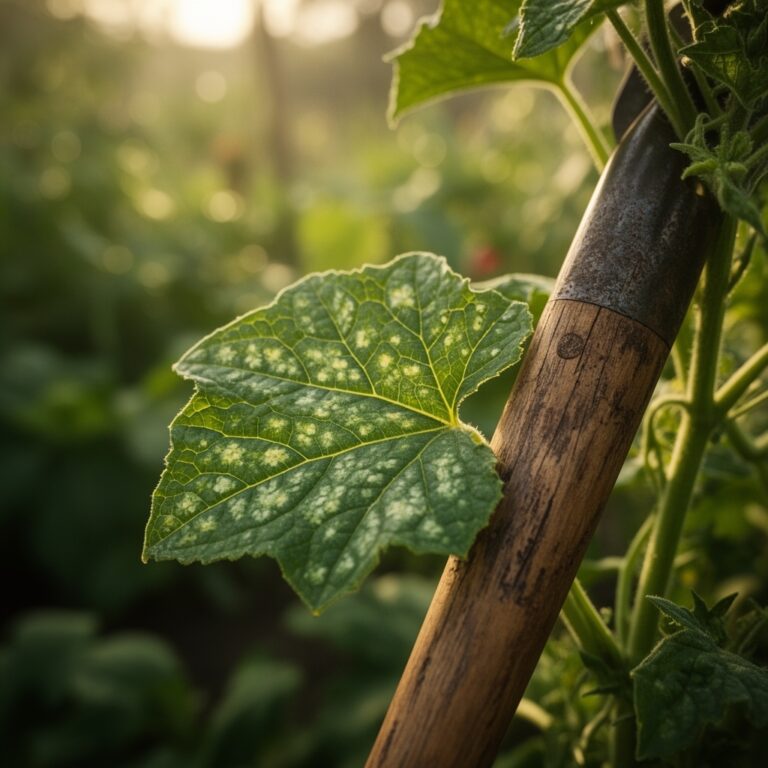
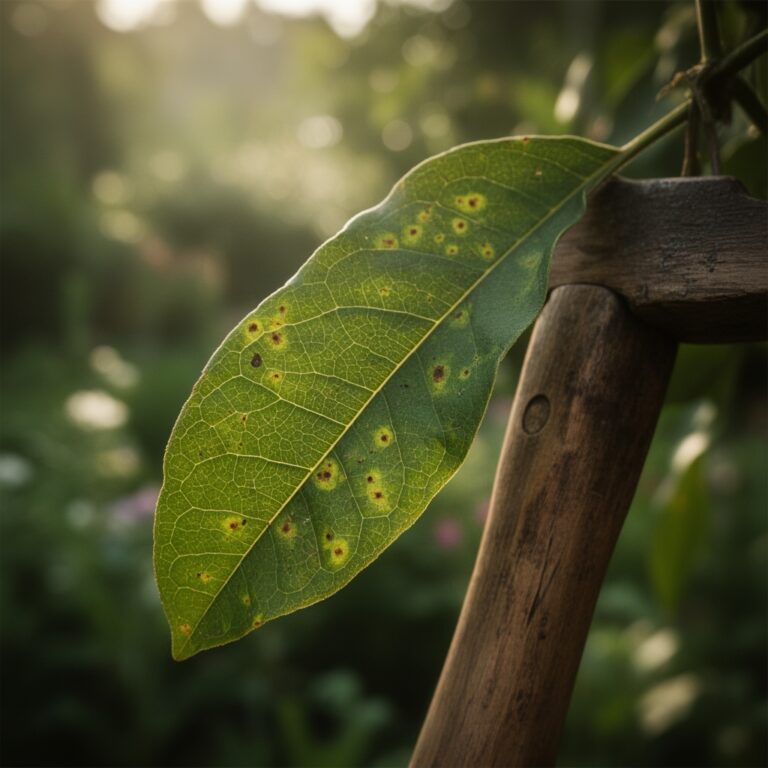
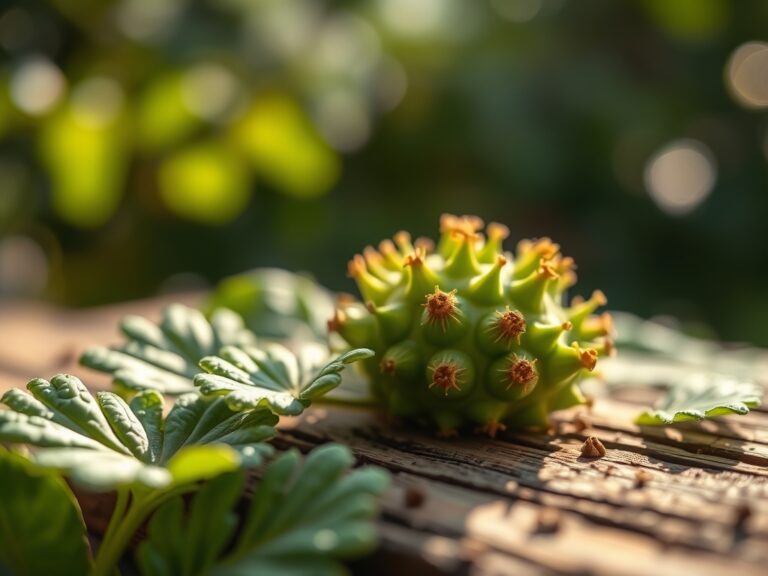
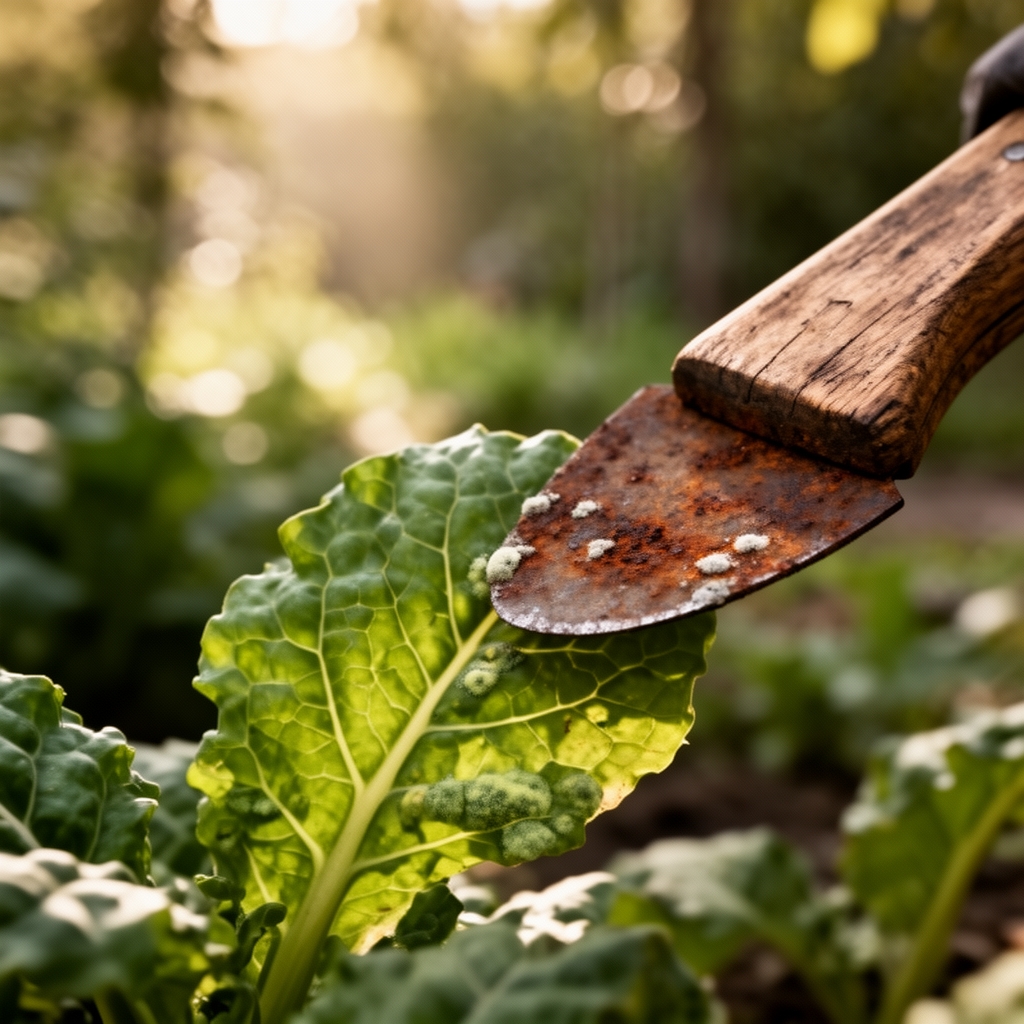
Rust fungus announces itself with small orange or reddish-brown pustules on leaf undersides, often mistaken for mineral deposits until the spores dust your fingertips like pollen. The pathogen thrives in humid microclimates where wet foliage meets poor air circulation. Learning how to treat rust fungus begins with understanding that these obligate parasites require living host tissue, making early intervention critical before the infection spreads through auxin-rich growing tips and compromises photosynthetic capacity. The characteristic raised lesions rupture to release urediniospores that can travel hundreds of feet on air currents, establishing secondary infection sites within 48 hours under ideal conditions.
Materials
Successful treatment demands pH-appropriate amendments and targeted nutritional support. Begin with a soil test to establish baseline cation exchange capacity before applying correctives.
Fungicidal Agents:
- Sulfur dust (90% elemental sulfur, pH-neutral application)
- Neem oil concentrate (azadirachtin standardized to 70%)
- Copper hydroxide spray (50% metallic copper equivalent)
- Bacillus subtilis biocontrol (1×10^8 CFU/gram)
Nutritional Amendments:
- Kelp meal, 1-0.5-2 NPK ratio, supplies trace minerals that strengthen cell walls
- Alfalfa pellets, 3-1-2 NPK, promotes systemic acquired resistance
- Bone meal, 4-12-0, supports root development during recovery
- Langbeinite (Sul-Po-Mag), 0-0-22 with 11% sulfur and 22% magnesium
Equipment:
- Pump sprayer with adjustable brass nozzle for 40-60 PSI delivery
- Hand pruners sterilized in 10% bleach solution between cuts
- Soil pH meter calibrated to 0.1 unit precision
Timing
Rust fungi exploit narrow environmental windows tied directly to hardiness zones and seasonal moisture patterns. In zones 3-5, initial infections appear in late May through June when nighttime temperatures stabilize above 55°F and morning dew persists past 9 a.m. Zones 6-8 face earlier pressure, often by mid-April, requiring prophylactic treatment two weeks before last frost date.
Apply first fungicide treatment when daytime highs reach 68-72°F for three consecutive days. This temperature range maximizes stomatal opening while the pathogen enters its active sporulation phase. Subsequent treatments follow 7-10 day intervals through the humid season. Cease applications 14 days before first expected frost when decreasing photoperiods naturally suppress fungal metabolism.
Phases

Initial Identification and Isolation:
Examine leaf undersides with 10x magnification during early morning hours when spore pustules glisten with moisture. Infected tissue displays chlorotic halos surrounding raised, powdery lesions. Remove affected leaves with sterilized shears, cutting 1/4 inch into healthy tissue to ensure complete excision. Bag debris in sealed plastic rather than composting; rust spores survive 180 days in organic matter.
Pro-Tip: Mark infected plants with surveyor's tape at 4-foot intervals to track disease progression and evaluate treatment efficacy through comparative photography.
Sanitation and Canopy Management:
Prune lower foliage to establish 6-8 inches of clearance above soil line, eliminating splash-back vectors during irrigation. Thin interior branches to achieve 30-40% light penetration at the plant's core, measuring with a light meter at solar noon. This promotes rapid leaf drying and disrupts the 6-hour wet-leaf requirement for spore germination.
Pro-Tip: Execute pruning cuts at 45-degree angles facing away from prevailing winds to prevent water accumulation on wound surfaces where secondary infections establish.
Treatment Application Protocol:
Mix sulfur dust at 3 tablespoons per gallon of water, adding 1 teaspoon of insecticidal soap as a surfactant to improve leaf adherence. Apply until runoff, ensuring complete coverage of abaxial leaf surfaces where 90% of pustules form. Alternate with neem oil at 14-day intervals to prevent resistance development. Spray during evening hours when temperatures drop below 80°F; higher temperatures cause phytotoxic burn.
Pro-Tip: Incorporate mycorrhizal fungi inoculum (Glomus intraradices) at root zones during treatment cycles. Enhanced phosphorus uptake strengthens lignin production in cell walls, creating physical barriers to hyphal penetration.
Troubleshooting
Symptom: Yellow-orange pustules continue appearing despite weekly sulfur applications.
Solution: Check spray pH. Sulfur becomes ineffective above 7.5. Add citric acid at 1/4 teaspoon per gallon to reduce pH to 6.2-6.8 range.
Symptom: Black spotting surrounds original rust lesions.
Solution: Secondary Alternaria infection exploiting compromised tissue. Switch to copper hydroxide at 1.5 tablespoons per gallon; apply every 5 days for three cycles.
Symptom: New growth emerges distorted with premature senescence.
Solution: Systemic stress from overapplication. Flush root zone with 2 gallons of water per plant. Reduce fungicide concentration by 40% and extend intervals to 14 days.
Symptom: Pustules concentrate along major veins and petioles.
Solution: Indicates advanced vascular colonization. Foliar treatment insufficient; apply Bacillus subtilis soil drench at 2 tablespoons per gallon weekly for four weeks to stimulate induced systemic resistance.
Maintenance
Apply 1 inch of water weekly through drip irrigation during early morning hours, completing cycles by 8 a.m. to ensure foliage dries within 3 hours. Mulch with 2 inches of aged pine bark to suppress soil-borne spore reservoirs while maintaining surface pH between 6.0-6.5.
Feed every 21 days with balanced 5-5-5 organic fertilizer at 1/2 cup per 10 square feet. Avoid high-nitrogen formulations that produce succulent growth susceptible to penetration. Monitor soil electrical conductivity; maintain below 2.0 mS/cm to prevent salt stress that weakens cuticle integrity.
Conduct biweekly inspections focusing on newest growth and lowest foliage tiers. Remove any symptomatic tissue immediately.
FAQ
How long does rust fungus remain viable in soil?
Urediniospores survive 4-6 months in garden soil. Teliospores, the overwintering stage, persist through 18 months of freezing cycles. Solarization under clear plastic for 6 weeks at 140°F soil temperature eliminates reserves.
Can rust fungus spread to unrelated plant families?
Most rust fungi demonstrate strict host specificity. Puccinia species affecting legumes will not colonize nightshades. Notable exceptions include cedar-apple rust alternating between Juniperus and Malus genera.
Is rust fungus dangerous to humans?
No. Plant rust fungi cannot infect animal tissue. Spores may trigger allergic responses in sensitive individuals during heavy sporulation events.
When can I stop preventative treatments?
Continue through first hard frost when minimum temperatures drop below 28°F for 4 consecutive hours. This kills active mycelium in leaf tissue and halts spore production.
Will affected plants recover completely?
Yes, if infection caught before 30% defoliation. Plants typically restore full photosynthetic capacity within 45-60 days post-treatment under optimal growing conditions with proper nutrition.