6 Basic Steps to a Houseplant Hobbyist Guide
Crushing a handful of dry potting medium releases the sharp scent of peat and perlite; it is the smell of potential energy. A healthy plant exhibits high turgor pressure, where water-filled cells press against the cell walls to keep the foliage rigid and upright. Successful cultivation requires moving beyond aesthetic placement to understanding the physiological needs of the organism. Mastering the steps to a houseplant hobbyist guide demands a transition from a casual observer to a technician of the rhizosphere. You must manage light cycles, nutrient availability, and gas exchange with precision. Failure to monitor these variables results in cellular collapse and systemic rot. This guide provides the technical framework to sustain indoor flora by replicating their native ecological niches. By focusing on the biological mechanics of the plant, you ensure that every leaf maintains its structural integrity and photosynthetic efficiency.
Materials:
Substrate selection is the foundation of plant health. A **friable loam** texture is ideal; it must crumble easily when squeezed to allow for oxygen diffusion to the roots. For most tropical foliage, aim for a **soil pH between 5.8 and 6.5**. This range ensures optimal nutrient solubility.
The Cation Exchange Capacity (CEC) of your medium determines how well it holds onto essential minerals. Use a balanced NPK ratio of 10-10-10 for general maintenance, but switch to a high-phosphorus 5-10-5 ratio if you are encouraging anthesis in flowering species. For heavy feeders like Ficus lyrata, a nitrogen-rich 3-1-2 ratio supports rapid vegetative growth. Ensure your pots have drainage holes to prevent anaerobic conditions, which lead to root senescence.
Timing:
While houseplants reside indoors, they remain tethered to external rhythms. Most common indoor species originate from tropical regions corresponding to USDA Hardiness Zones 10 through 12. Even inside, plants detect the shortening of days during winter, entering a period of dormancy where metabolic rates drop.
The biological clock of a plant is governed by the photoperiod. Transitioning from the vegetative stage to the reproductive stage often requires a shift in light exposure. For example, short-day plants like Kalanchoe require 12 to 14 hours of total darkness to trigger bud formation. Always time your heavy pruning and repotting for early spring, just as the plant exits dormancy and auxin production increases to facilitate rapid healing and new shoot development.
Phases:
Sowing and Propagation
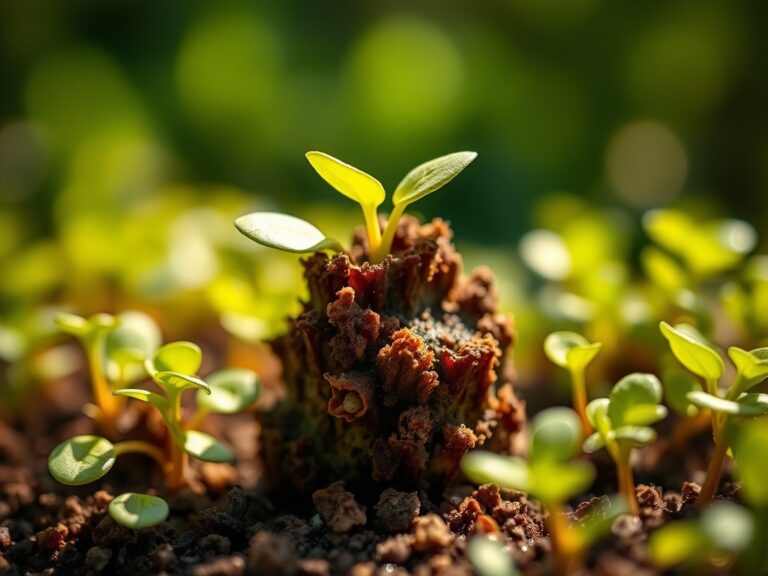
When starting from seed or cuttings, maintain a consistent media temperature of 70 to 75 degrees Fahrenheit. Use a sterile, soilless mix to prevent fungal pathogens from attacking vulnerable tissues. For cuttings, ensure at least one node is submerged in the medium to activate the undifferentiated cells required for root initiation.
Pro-Tip: Dip the basal end of cuttings in rooting hormone to stimulate auxin suppression of lateral buds, which forces the plant to redirect its energy into developing a primary root system.
Transplanting
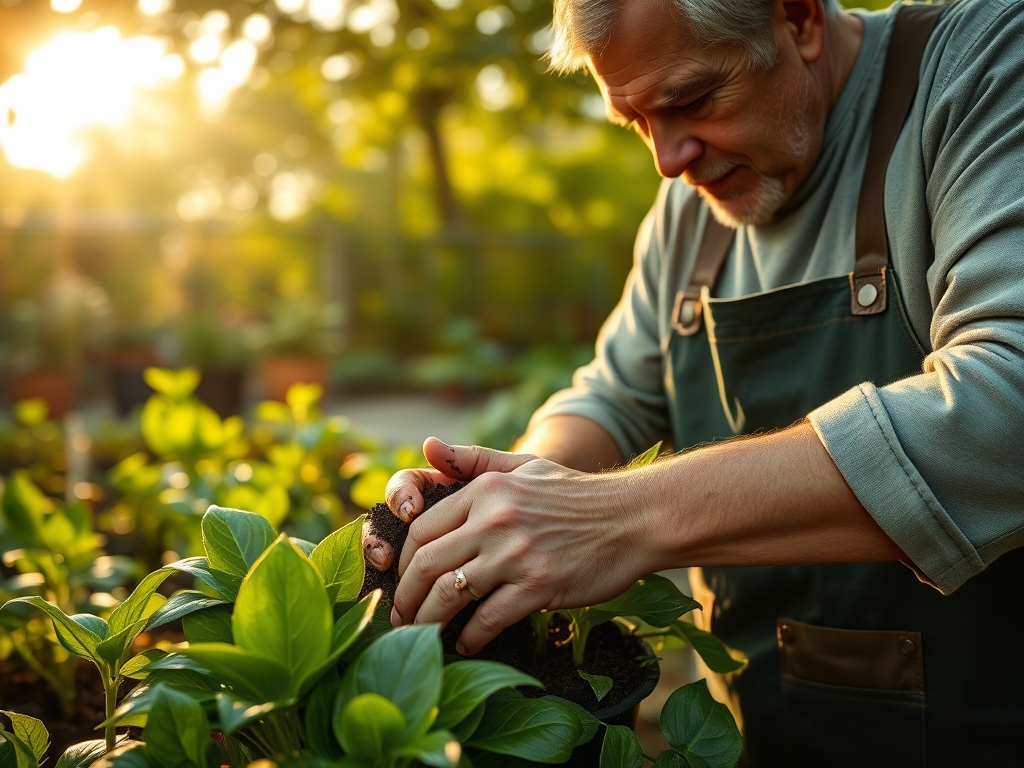
Move plants to a larger vessel when roots begin to circle the perimeter of the pot. This condition, known as being "root-bound," restricts the uptake of water and minerals. Gently tease the roots apart to encourage them to explore the new substrate. Ensure the crown of the plant sits exactly at the soil line; burying it deeper can lead to stem rot.
Pro-Tip: Inoculate the new soil with mycorrhizal fungi. This creates a symbiotic relationship where the fungi extend the root system's reach, significantly increasing the surface area for phosphorus absorption.
Establishing
The first 21 days after a move are critical. Maintain high humidity around the foliage to reduce the transpiration rate while the roots are still recovering. Avoid fertilizing during this window, as the salts in the fertilizer can dehydrate the new, tender root hairs.
Pro-Tip: Position the plant relative to its phototropism needs. Rotate the pot 90 degrees every week to ensure even light distribution and prevent the plant from leaning toward the light source, which causes structural instability.
The Clinic:
Physiological disorders often mimic infectious diseases. Accurate diagnosis requires looking at the pattern of the damage.
- Symptom: Interveinal chlorosis (yellowing between green veins) on new leaves.
Solution: This indicates an Iron deficiency. Lower the soil pH to below 7.0 to make iron more bioavailable.
- Symptom: Lower leaves turning yellow and dropping.
Solution: This is typically Nitrogen chlorosis. The plant is scavenging nitrogen from old growth to support new leaves. Apply a high-nitrogen liquid fertilizer immediately.
- Symptom: Brown, crispy leaf margins.
Solution: Low humidity or excess salt buildup. Flush the substrate with three times the pot's volume of distilled water to leach out accumulated minerals.
- Symptom: Edema (small bumps or blisters on the underside of leaves).
Solution: The plant is taking up water faster than it can transpire. Reduce watering frequency and improve air circulation.
Maintenance:
Precision is the difference between a surviving plant and a thriving one. Use a soil moisture meter to verify the volumetric water content before adding more liquid. Most tropicals require the top 2 inches of soil to dry out before re-watering. When you do water, apply enough so that 10 percent of the volume exits through the drainage holes to prevent salt accumulation.
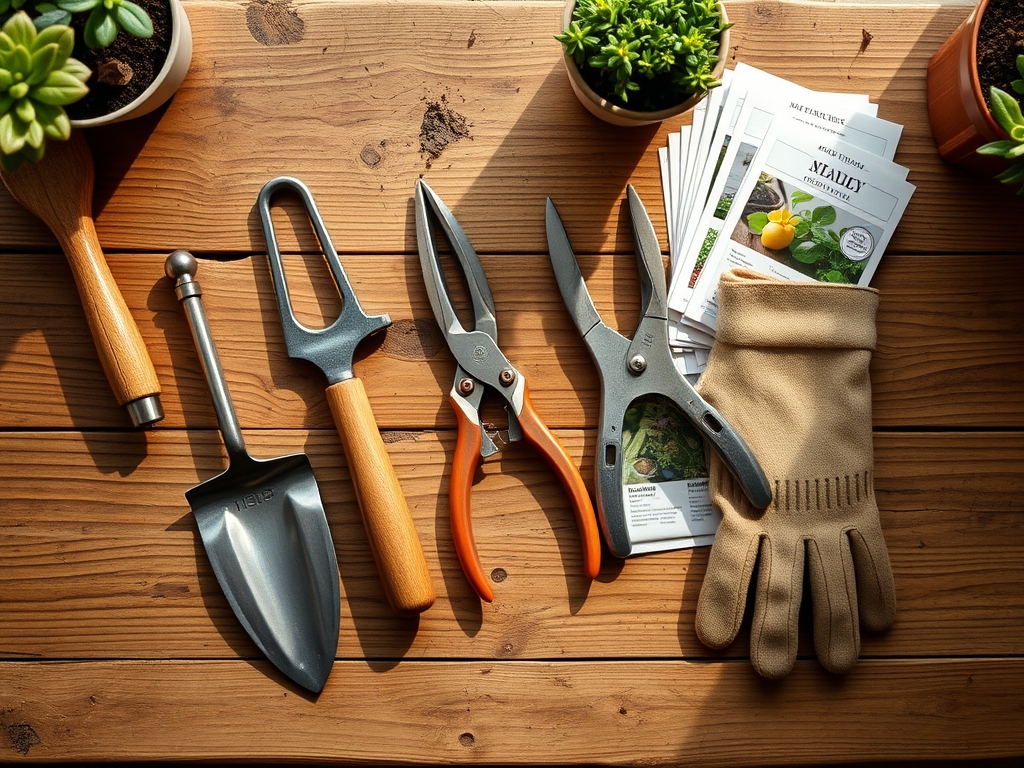
Use a hori-hori knife for dividing perennials and bypass pruners for clean cuts on woody stems. Dull blades crush the vascular tissue (xylem and phloem), creating an entry point for pathogens. Sanitize your tools with 70 percent isopropyl alcohol between every plant to prevent cross-contamination. Monitor the ambient temperature; most indoor plants suffer if temperatures drop below 55 degrees Fahrenheit for extended periods.
The Yield:
For those growing indoor herbs or flowering specimens, harvesting is a surgical process. Harvest herbs like basil or mint just before they flower, as this is when the essential oil concentration is highest. Use sharp shears to cut just above a leaf node to encourage "bushy" regrowth.
For floral displays, cut the stems at a 45-degree angle under lukewarm water. This prevents air bubbles from entering the xylem, a condition called an embolism, which blocks water transport. Immediately place the stems in a solution with a pH of 3.5 to 4.5 to maintain "day-one" freshness and maximize the vase life of the bloom.
FAQ:
How do I know when to repot my plant?
Check the drainage holes for protruding roots or observe if water sits on the soil surface without draining. If the plant requires watering more than twice a week, the root-to-soil ratio is likely too high for the current container.
What is the best water for houseplants?
Rainwater or distilled water is superior to tap water. Many species are sensitive to fluoride and chlorine found in municipal supplies, which cause necrotic leaf tips. If using tap water, let it sit for 24 hours to dissipate gases.
How much light does a "low light" plant actually need?
Low light does not mean no light. Most "low light" species require at least 50 to 100 foot-candles of illumination. Use a light meter to ensure the location provides enough photons for the plant to stay above its compensation point.
Why are the tips of my spider plant turning brown?
This is often caused by boron or fluoride toxicity from tap water. It can also result from erratic moisture levels. Maintain consistent soil moisture and use filtered water to prevent the accumulation of these elements in the leaf tips.