10 Pro Tips How to Follow Succulent Sunday Tips
Healthy succulent tissue feels firm under the thumb. This state is known as high turgor pressure; it occurs when the vacuoles within the plant cells are fully hydrated and pressing against the cell walls. When you learn how to follow succulent sunday tips, you are mastering the balance of hydraulic pressure and gas exchange. The scent of a healthy succulent collection is not floral; it is the smell of dry mineral dust and the slightly metallic tang of crushed perlite. Achieving this requires a rigorous adherence to schedule and science. Most enthusiasts fail because they treat these xerophytes like tropical houseplants. Succulents are biologically engineered for scarcity. They utilize Crassulacean Acid Metabolism (CAM) to fix carbon dioxide at night, which minimizes water loss through transpiration during the heat of the day. To succeed, you must replicate the high-drainage, high-light environments of their native habitats. This guide provides the technical framework for maintaining a collection that thrives rather than merely survives. We will focus on the chemical composition of the rhizosphere and the physical properties of light.
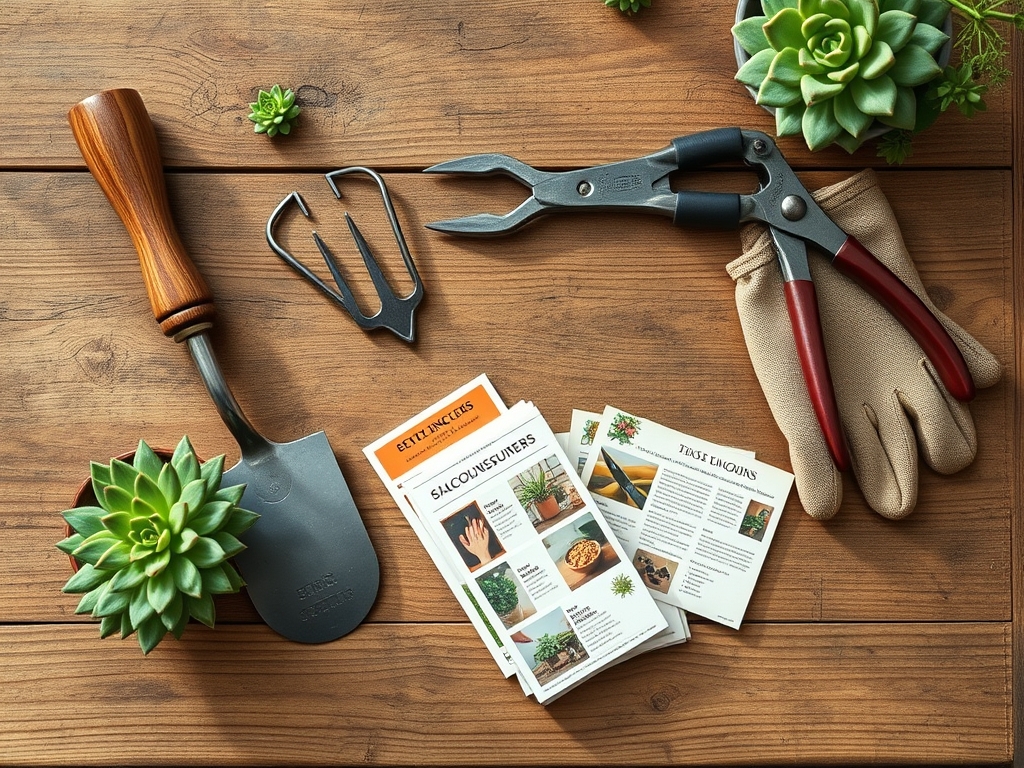
Materials:
Substrate selection is the most critical factor in succulent health. You must avoid standard potting soils which often have a Cation Exchange Capacity (CEC) that is too high for desert species. The ideal substrate is a friable mix consisting of **70 percent inorganic material** such as pumice, expanded shale, or coarse poultry grit. The remaining **30 percent should be organic matter**, specifically composted pine bark or coconut coir.
The target soil pH should fall between 5.5 and 6.5. This slightly acidic range ensures that micronutrients like iron and manganese remain bioavailable. For fertilization, use a low-nitrogen formula. A typical NPK ratio of 1-2-2 or 5-10-10 is preferred. High nitrogen levels (the first number) lead to rapid, weak growth that is susceptible to fungal pathogens and structural collapse. Ensure your mineral components are sieved to a size of 1/8 inch to 1/4 inch to maintain adequate macropores for oxygen movement.
Timing:
Succulents are governed by a strict biological clock that responds to the photoperiod and temperature fluctuations. Most species are categorized as either winter-growers or summer-growers. In USDA Hardiness Zones 9 through 11, many succulents can remain outdoors year-round. However, in Zones 8 and below, plants must be moved indoors before the first frost date; usually when night temperatures consistently drop below 45 degrees Fahrenheit (7 Celsius).
The transition from the vegetative stage to the reproductive stage (flowering) is triggered by the accumulation of "chill hours" or specific changes in day length. For example, Schlumbergera requires 12 to 14 hours of total darkness to initiate bud formation. Monitoring the local frost-date window is essential; a single night at 32 degrees Fahrenheit can cause the water inside the cell walls to freeze and expand, leading to cellular rupture and systemic rot.
Phases:
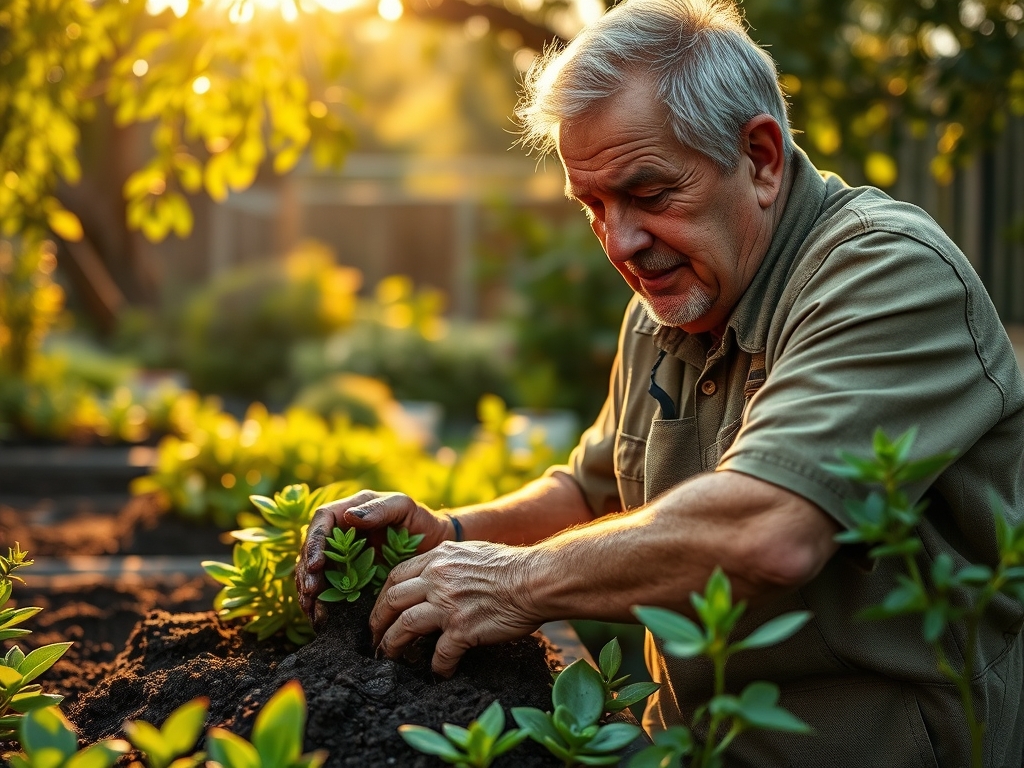
Sowing
Succulent seeds are often microscopic and require a sterile environment. Use a 1:1 mix of fine peat and sand. Maintain a constant temperature of 70 to 75 degrees Fahrenheit. Do not bury the seeds; they require light to trigger germination.
Pro-Tip: This is due to positive photoblastism. Light signals to the seed that it is close enough to the surface to successfully reach the atmosphere for photosynthesis before its endosperm reserves are exhausted.
Transplanting
When moving a succulent, ensure the root ball is dry. Use a hori-hori knife to gently loosen the edges of the pot. Inspect the roots for any signs of desiccation or decay. Allow the plant to sit in a shaded area for 24 to 48 hours before placing it in new soil.
Pro-Tip: This waiting period allows for the formation of callus tissue on broken roots. Without a callus, opportunistic soil pathogens can enter the vascular system through open wounds via capillary action.
Establishing
Once repotted, do not water for at least five to seven days. Place the plant in bright, indirect light to reduce transpiration stress. Gradually move the plant into its permanent light location over two weeks.
Pro-Tip: This prevents "transplant shock" by allowing the plant to re-establish mycorrhizal symbiosis. These beneficial fungi expand the root system's surface area, improving the uptake of phosphorus and water.
The Clinic:
Physiological disorders in succulents are usually the result of environmental stressors rather than pathogens.
- Symptom: Etiolation (Leggy growth).
- Cause: Insufficient light intensity. The plant is physically stretching toward the light source.
- Solution: Increase light exposure to a minimum of 6 hours of direct sun or provide 2,000 lumens of artificial light.
- Symptom: Edema (Cork-like scabs).
- Cause: Overwatering during periods of high humidity or low light. The plant takes up more water than it can transpire.
- Solution: Improve airflow with a fan and reduce watering frequency.
- Symptom: Nitrogen Chlorosis (Yellowing lower leaves).
- Cause: Nitrogen deficiency or root death preventing nutrient uptake.
- Fix-It: Apply a balanced liquid fertilizer at half-strength during the active growing season. If the soil is compacted, repot to restore oxygen to the rhizosphere.
- Symptom: Anthocyanin Flush (Red/Purple tinting).
- Cause: Environmental stress such as cold or high UV exposure.
- Solution: This is often desirable; it is a protective pigment. No action is needed unless accompanied by shriveling.
Maintenance:
Precision is the hallmark of a professional grower. Use a soil moisture meter to verify that the substrate is dry at least 2 inches below the surface before adding water. When you do water, apply it at the drip line until it runs freely from the drainage holes. This "soak and dry" method flushes accumulated mineral salts from the soil.
For pruning, use bypass pruners sterilized with 70 percent isopropyl alcohol to prevent the spread of systemic infections. Remove spent flower stalks at the base to prevent the plant from diverting energy into seed production, which accelerates senescence. During the dormant season, reduce watering to once every four to six weeks. Keep the foliage dry; water trapped in the leaf axils can lead to localized fungal outbreaks.
The Yield:
While most succulents are grown for aesthetics, some species like Aloe vera or Opuntia provide a physical harvest. For Aloe, select the outermost, mature leaves. Use a sharp blade to cut as close to the trunk as possible. To maintain "day-one" freshness, stand the leaf upright in a container for 15 minutes to allow the yellow aloin sap to drain. This sap is a latex that can be irritating. The inner clear parenchyma gel should be used immediately or refrigerated in a sealed glass container for no more than seven days. For Opuntia fruit, harvest when the color is deep purple and the glochids (tiny spines) begin to fall off naturally.
FAQ:
How often should I water my succulents?
Water only when the substrate is completely dry. Use a soil moisture meter to check the bottom of the pot. Typically, this occurs every 10 to 14 days in summer and every 30 days in winter.
What is the best light for indoor succulents?
Succulents require 6 to 8 hours of bright light. South-facing windows are ideal. If using grow lights, maintain a distance of 6 to 12 inches from the foliage to provide at least 2,000 foot-candles of intensity.
Why are my succulent leaves falling off?
Sudden leaf drop is usually caused by overwatering or extreme temperature shifts. If the leaves are yellow and mushy, the plant is experiencing root rot. If they are dry and crispy, it is likely underwatered or heat-stressed.
Do succulents need special pots?
Yes. Use pots with large drainage holes. Terracotta is preferred by professionals because its porous nature allows for lateral evaporation, which helps the soil dry faster and prevents the rhizosphere from becoming anaerobic.