8 Best Jungle Vibes Home Ideas
The scent of damp humus and decomposing organic matter defines the interior of a high-performance indoor forest. Achieving the best jungle vibes home ideas requires more than aesthetic placement; it demands the manipulation of turgor pressure and atmospheric saturation. A healthy leaf should feel cool and rigid to the touch, indicating a cellular structure fully hydrated through efficient transpiration. You are not merely decorating a room. You are engineering a microclimate where the relative humidity remains above 60 percent and the light intensity mimics the dappled shade of a tropical canopy. Success depends on understanding the physiological needs of Araceae and Marantaceae families. These plants evolved in the understory where the air is heavy and the soil is porous. To replicate this, you must manage the rhizosphere with clinical precision. This guide focuses on the technical variables of light, substrate chemistry, and hydraulic management to transform a sterile living space into a functional botanical habitat.
Materials:
The foundation of any jungle interior is the substrate. Tropical species generally thrive in a **soil pH between 5.5 and 6.5**. This acidity ensures that micronutrients like iron and manganese remain bioavailable. You must avoid standard potting soils that compact over time. Instead, construct a “friable loam” consisting of 40 percent orchid bark, 30 percent coco coir, 20 percent perlite, and 10 percent worm castings. This mixture provides a high **Cation Exchange Capacity (CEC)**, allowing the roots to efficiently swap hydrogen ions for essential nutrients.
For nutritional support, utilize a water-soluble fertilizer with an NPK ratio of 3-1-2. Nitrogen (N) is the primary driver of leafy biomass. Phosphorus (P) supports root development and cellular energy transfer. Potassium (K) regulates stomatal closure and water movement. During the active growing season, apply a solution at half-strength every 14 days to prevent salt accumulation in the growing medium.
Timing:
While indoor environments are climate-controlled, plants still respond to the external photoperiod. Most jungle species are native to Hardiness Zones 10 through 12, where frost is non-existent. In temperate regions, the "Biological Clock" of your indoor jungle shifts as daylight hours fluctuate. From March to September, plants enter a vigorous vegetative stage. This is the window for aggressive pruning and propagation.
As the autumnal equinox approaches, the reduction in light triggers a slowing of metabolic processes. During this period, reduce irrigation by 50 percent. Do not fertilize when the plant is not actively producing new nodes. Forcing growth during low-light months leads to etiolation, where the plant produces weak, elongated stems with small leaves as it searches for a light source.
Phases:
Sowing and Propagation
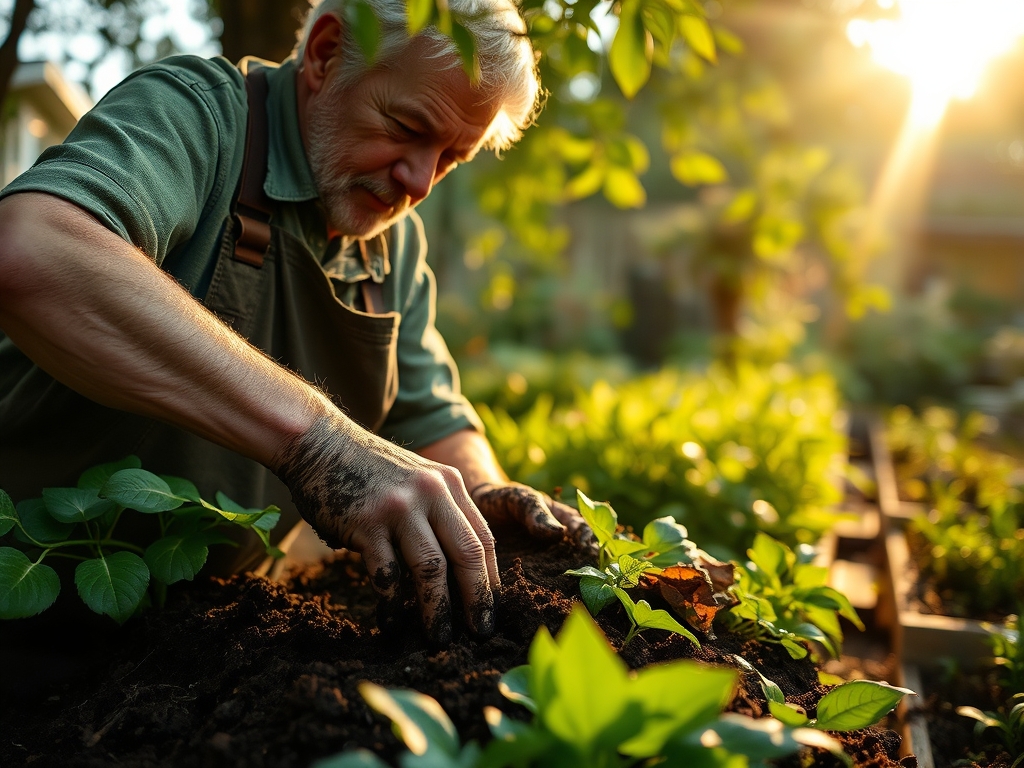
Most jungle enthusiasts utilize vegetative propagation rather than seeds. When taking a cutting, ensure you include at least one node. The node contains the meristematic tissue required for root initiation. Place the cutting in a high-humidity prop box or a vessel of sterile water.
Pro-Tip: Use a rooting hormone containing Indole-3-butyric acid (IBA). This synthetic auxin stimulates the "Biological Why" of adventitious root formation by signaling undifferentiated cells to specialize into root tissue.
Transplanting
When the root system occupies 80 percent of the current vessel, transplanting is required. Select a container only 2 inches larger in diameter than the previous one. Excess soil holds too much water, which leads to anaerobic conditions and root rot.
Pro-Tip: Gently loosen the root ball to break "root circling." This encourages mycorrhizal symbiosis if you inoculate the new substrate with beneficial fungi, which increases the surface area of the root system for better nutrient uptake.
Establishing
The first 30 days after moving a plant are critical for acclimation. Maintain a consistent temperature between 70 and 80 degrees Fahrenheit. Avoid placing plants near HVAC vents, as the forced air causes rapid desiccation of the leaf margins.
Pro-Tip: Do not prune immediately after transplanting. The plant needs its existing foliage to produce the sugars required for root repair. This is the "Biological Why" of maintaining photosynthetic capacity during periods of environmental stress.
The Clinic:
Physiological disorders often mimic disease, but they are usually the result of environmental imbalances.
- Symptom: Interveinal Chlorosis (Yellowing between leaf veins).
- Solution: This indicates a Magnesium deficiency. Apply a foliar spray of Epsom salts (1 teaspoon per gallon of water) to restore chlorophyll production.
- Symptom: Leaf Tip Burn.
- Solution: This is caused by "Tip Desiccation" from low humidity or fluoride accumulation from tap water. Switch to distilled water and increase ambient humidity to 65 percent.
- Symptom: Edema (Small bumps or blisters on the underside of leaves).
- Solution: The plant is taking up water faster than it can transpire. Reduce watering frequency and improve air circulation with a small fan.
Fix-It Section: For Nitrogen chlorosis (general yellowing of older leaves), flush the soil with clear water to remove any built-up salts, then apply a high-nitrogen liquid fertilizer. Nitrogen is a mobile nutrient; the plant will pull it from old leaves to support new growth if the soil is depleted.
Maintenance:
Precision maintenance is the difference between a surviving plant and a thriving one. Use a soil moisture meter to check the substrate at a depth of 3 inches. Do not water until the top 2 inches are dry. When you do water, apply approximately 1.5 inches of water across the entire surface until it drains freely from the bottom. This leaches out excess minerals.
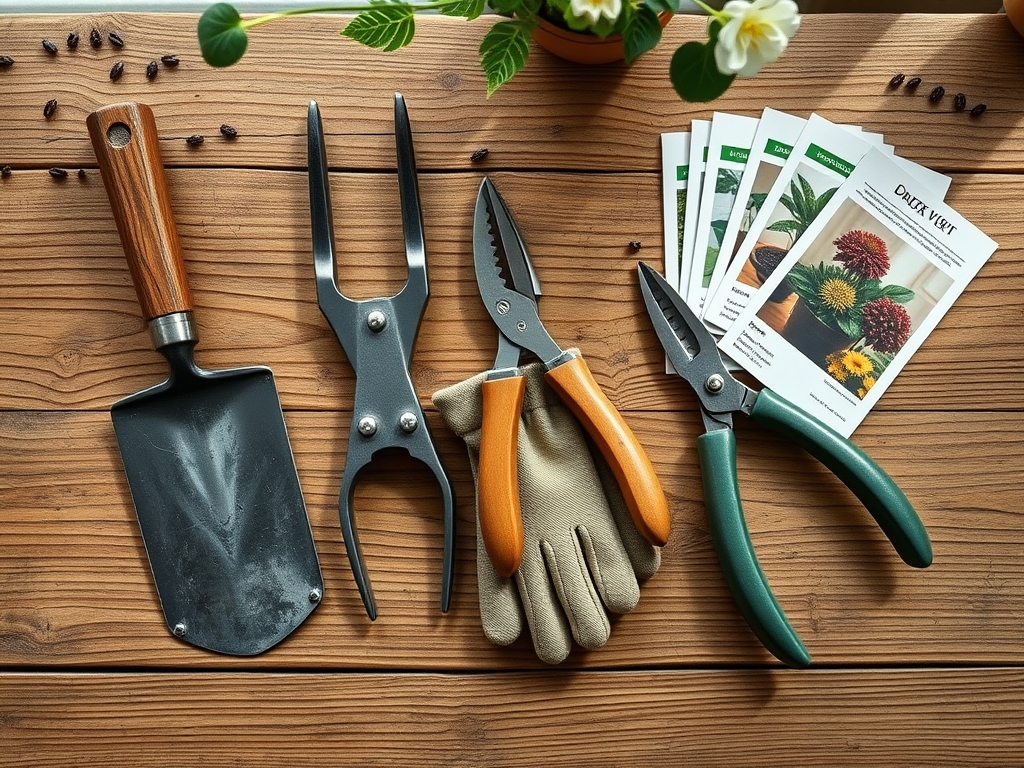
Keep a hori-hori knife for dividing overgrown clumps and a pair of bypass pruners for clean cuts. Dull blades crush the vascular tissue (xylem and phloem), creating an entry point for pathogens. Sanitize your tools with 70 percent isopropyl alcohol between every plant to prevent cross-contamination. Wipe the leaves weekly with a damp microfiber cloth. Dust blocks the stomata and reduces the amount of light reaching the chloroplasts.
The Yield:
If your jungle includes Monstera deliciosa, the "yield" is the fruit, which takes 10 to 12 months to ripen. The fruit is only safe to consume when the hexagonal scales start to peel away naturally. For foliage-only plants, the "yield" is the propagation of new specimens. When harvesting a cutting, use a 45-degree angle cut to maximize the surface area of the exposed vascular cambium. To maintain "day-one" freshness for cuttings, immediately dip the cut end in lukewarm water to prevent an air embolism from blocking the xylem.
FAQ:
What is the best light for jungle plants?
Bright, indirect light measuring between 200 and 400 foot-candles is ideal. Use a light meter to ensure your plants receive at least 10 hours of consistent illumination daily for optimal photosynthesis and leaf development.
How often should I mist my plants?
Misting is ineffective for increasing long-term humidity. It only raises moisture levels for minutes. Instead, use a pebble tray or a humidifier to maintain a constant 60 percent humidity level, which prevents leaf tip necrosis.
Why are my plant leaves turning yellow?
Yellowing, or chlorosis, is often caused by overwatering or nitrogen deficiency. If the soil is soggy, oxygen cannot reach the roots, leading to root rot. If the soil is dry, the plant may need supplemental NPK fertilizer.
What does "well-draining soil" actually mean?
It refers to a substrate with high macroporosity. Water should pass through the medium and exit the drainage holes within seconds. This ensures the roots have access to oxygen while the organic matter retains necessary moisture.