5 Quick Steps to Fix Powdery Mildew
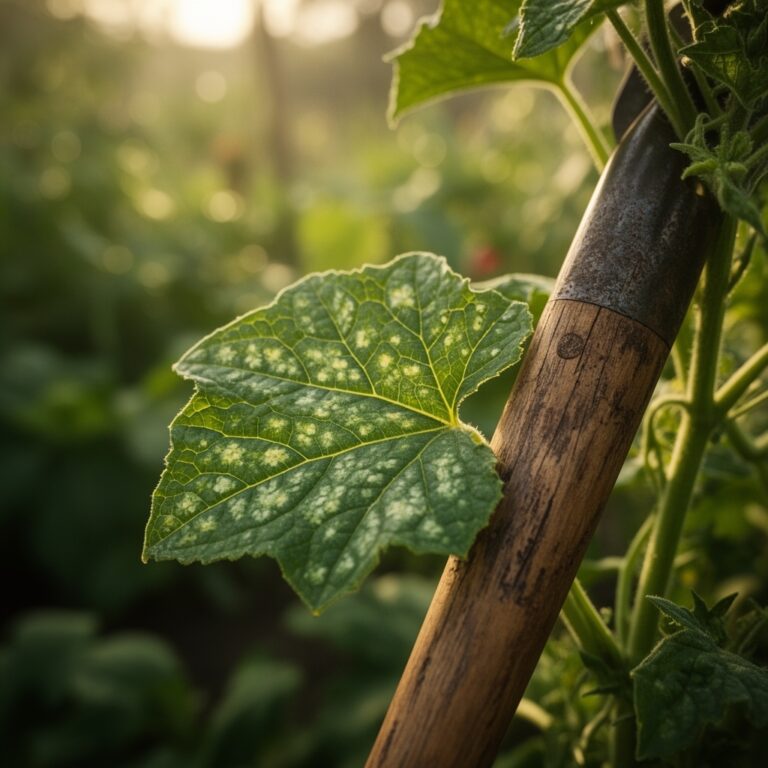
White fungal patches creep across leaf surfaces like frost in summer, choking photosynthesis and stunting growth. Powdery mildew strikes when humidity climbs above 50% yet leaves stay dry, creating ideal conditions for ascomycete spores to germinate. These steps to fix powdery mildew combine immediate mechanical intervention with long-term cultural adjustments to restore plant health and prevent reinfection across your entire garden system.
Materials
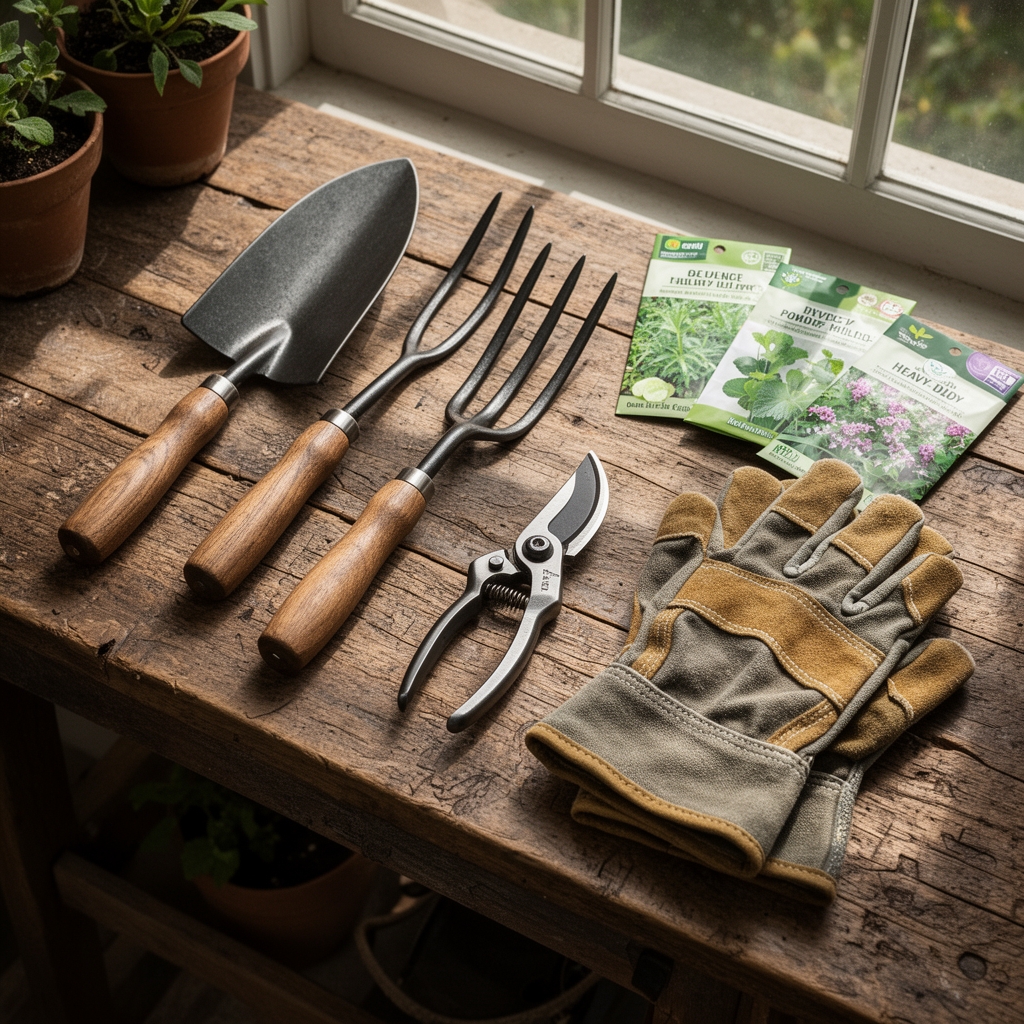
Potassium bicarbonate spray at pH 8.0-8.3 disrupts fungal cell membranes on contact. Mix 1 tablespoon per gallon of water with 0.5 teaspoon insecticidal soap as a surfactant. Neem oil (azadirachtin 0.9%) applied at 2 tablespoons per gallon creates a protective barrier while interrupting spore germination cycles.
Sulfur dust containing 90% elemental sulfur lowers leaf surface pH to 5.5, preventing mycelial spread. Apply when temperatures remain below 85°F to avoid phytotoxic burns. Milk spray at 40% concentration (2 cups whole milk to 3 cups water) introduces lactic acid bacteria that compete with fungal colonies for leaf surface real estate.
Balanced organic fertilizer at 4-4-4 NPK supports plant immunity without excessive nitrogen that produces tender growth susceptible to infection. Incorporate mycorrhizal fungi inoculant (Glomus intraradices) at 0.25 ounce per gallon of soil to enhance nutrient uptake and systemic acquired resistance.
Timing
Begin treatment at first sign of infection, identifiable as white powdery spots 2-3mm in diameter. Zones 3-5 experience peak infection risk from June through August when humidity spikes during warm nights. Zones 6-8 face dual pressure in May-June and September-October when temperature swings create moisture fluctuations.
Zones 9-11 require year-round vigilance, particularly during coastal fog events or irrigation cycles. Apply preventative treatments 14 days before historical infection dates based on your garden records. Early morning application between 6-9 AM allows foliage to dry before noon heat while maximizing contact time with fungal structures.
Phases

Step One: Remove Infected Tissue
Prune all leaves showing more than 30% surface coverage immediately. Cut 2 inches below visible infection into healthy tissue at a 45-degree angle to prevent water collection on cut surfaces. Sterilize pruning shears between each cut using 70% isopropyl alcohol or 10% bleach solution for 30 seconds contact time. Bag and dispose of infected material in sealed containers. Never compost powdery mildew debris as spores remain viable for 90 days in aerobic conditions.
Pro-Tip: Remove alternate leaves on stems showing early infection to increase air circulation by 40% while preserving photosynthetic capacity through strategic retention of healthy foliage.
Step Two: Apply Immediate Treatment
Spray potassium bicarbonate solution to runoff, coating both upper and lower leaf surfaces where stomata concentrate. Target the drip point where solution begins falling from leaf margins. Reapply every 7-10 days for three consecutive treatments to disrupt the 14-day spore cycle. Temperature at application should remain between 60-75°F for optimal efficacy. Wind speed below 5 mph prevents drift and ensures even coverage.
Pro-Tip: Add 1 tablespoon of vegetable oil per gallon to extend solution adhesion time from 4 hours to 48 hours, maintaining fungicidal contact through two dew cycles.
Step Three: Modify Environmental Conditions
Space plants to achieve 18-24 inches clearance between mature canopies. This increases air velocity through the understory by 300% compared to crowded arrangements. Redirect drip irrigation from overhead to ground-level soaker hoses, reducing leaf wetness duration from 8 hours to zero. Install reflective mulch (aluminum-coated plastic) to bounce UV light onto lower leaf surfaces, increasing temperatures by 5-8°F and creating hostile conditions for spore germination.
Pro-Tip: Position fans to create 2-3 mph constant airflow in greenhouse or indoor settings, dropping relative humidity 15-20% while accelerating transpiration rates that concentrate calcium in leaf tissues for enhanced cell wall integrity.
Step Four: Strengthen Plant Immunity
Drench root zones with compost tea containing Bacillus subtilis at 1:10 dilution ratio, introducing competitive bacteria that colonize the rhizosphere. Apply foliar kelp spray (ascophyllum nodosum) at 1 tablespoon per gallon biweekly to supply cytokinins that upregulate defense gene expression. Supplement with calcium nitrate at 1 teaspoon per gallon to fortify cell walls against hyphal penetration. Maintain soil cation exchange capacity above 10 meq/100g through yearly compost additions at 2 inches depth.
Pro-Tip: Inoculate roots with Trichoderma harzianum 30 days before stress periods to establish systemic resistance that reduces infection severity by 60% through induced auxin distribution and phytoalexin production.
Step Five: Monitor and Maintain
Scout plants every 3 days during high-risk periods, examining 10% of foliage including lower canopy zones where air stagnates. Document infection patterns by cardinal direction to identify microclimate vulnerabilities. Rotate fungicide modes of action every 21 days to prevent resistance development in pathogen populations. Record ambient humidity with data loggers, triggering preventative sprays when readings exceed 60% for 6 consecutive hours.
Pro-Tip: Apply preventative sulfur dust at 14-day intervals beginning 30 days before historical infection windows, creating a prophylactic barrier that reduces primary infection events by 85%.
Troubleshooting
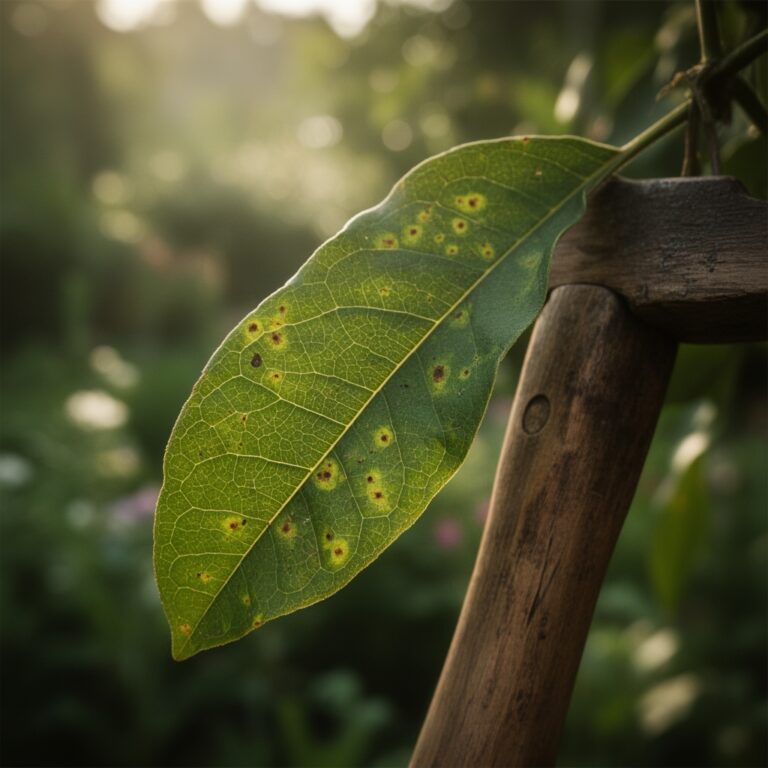
Symptom: Yellow halos surrounding white patches
Solution: Indicates secondary bacterial infection through compromised tissue. Apply copper octanoate at 2 tablespoons per gallon immediately, then reassess fungicide compatibility.
Symptom: Brown crispy leaves post-treatment
Solution: Phytotoxicity from sulfur application above 85°F or oil sprays in direct sun. Flush foliage with plain water, shade plants for 48 hours, reduce spray concentration by 50%.
Symptom: Infection returns within 7 days of treatment
Solution: Incomplete coverage or resistant strain. Alternate to Bacillus amyloliquefaciens biological fungicide, increase spray volume by 30%, target nighttime application.
Symptom: New growth immediately infected
Solution: Systemic deficiency in silicon or calcium. Soil drench with potassium silicate at 3ml per gallon, supplement weekly with calcium chloride foliar spray at 1 teaspoon per gallon.
Symptom: White growth spreads to stems and fruit
Solution: Advanced Erysiphales colonization requiring aggressive intervention. Cut infected stems to ground level, apply horticultural oil at 2% concentration to smother remaining mycelium, increase sulfur dust frequency to 7-day intervals.
Maintenance
Water at soil level delivering 1 inch weekly through single deep session rather than frequent shallow applications. Irrigate between 4-6 AM so foliage dries completely by 10 AM. Maintain soil pH between 6.2-6.8 for optimal nutrient availability and beneficial microbe activity.
Prune to maintain open architecture with 30% light penetration to lower leaves measured at midday. Remove water sprouts and crossing branches that create humidity pockets. Apply compost mulch at 3-inch depth maintaining 2-inch clearance from stems to suppress overwintering spores while moderating soil temperature fluctuations.
Test soil annually in early spring, adjusting phosphorus to 40-60 ppm and potassium to 150-200 ppm to support lignin production in cell walls. Avoid high-nitrogen fertilizers (above 10-5-5 NPK) during active infection as excess promotes succulent growth with reduced cuticle thickness.
FAQ
How long until powdery mildew clears after treatment?
Visible reduction occurs within 72 hours as fungal structures desiccate. Complete clearance requires 21-28 days through three treatment cycles targeting overlapping spore generations. Prevent reinfection through continued cultural controls for 60 days post-symptom.
Can infected plants fully recover?
Yes, if less than 40% of leaf surface area shows damage. Plants redirect resources to new growth once fungal pressure decreases. Moderate infections reduce yields 15-25% in current season but cause no permanent damage to perennial structures.
Is powdery mildew harmful to humans?
No. Plant-specific Erysiphales fungi cannot colonize human tissue. Some individuals experience minor respiratory irritation from airborne spores. Wash harvested produce thoroughly as precaution against residual fungicide.
What temperature kills powdery mildew?
Sustained exposure above 95°F for 4 hours damages fungal structures but also stresses plants. Temperatures below 50°F halt spore production without eliminating established colonies. Focus on humidity control rather than temperature extremes.
Why does mildew return each year?
Spores overwinter in bud scales, soil debris, and greenhouse structures. Dormant mycelium reactivates when conditions align at 60-80°F with 40-70% relative humidity. Implement yearly sanitation protocols removing 95% of overwintering inoculum through late-fall cleanup and spring sulfur applications.