9 Simple Steps to Clear Sod for Planting
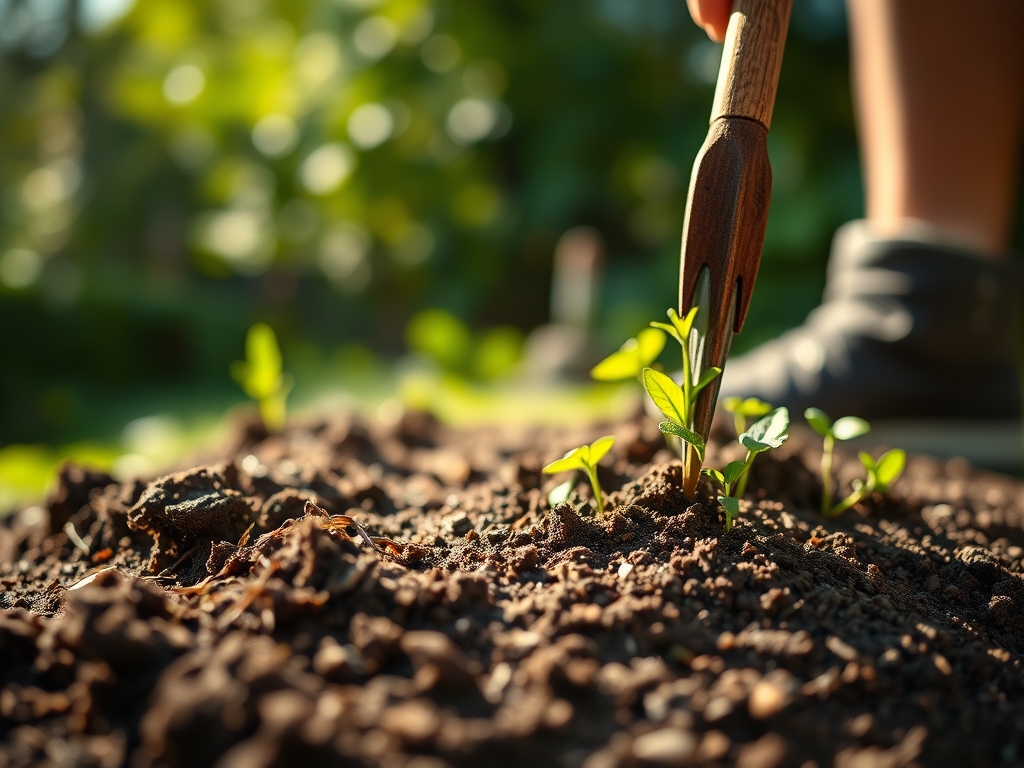
The scent of damp earth and the resistance of a healthy leaf's turgor pressure define the start of any serious horticultural project. To establish a productive bed, you must first master the steps to clear sod for planting. This process requires more than brute force; it demands an understanding of soil structure and the biological requirements of the rhizosphere. Removing established turfgrass eliminates competition for nitrogen and prevents the re-emergence of aggressive rhizomes that can choke out young seedlings.
Materials:
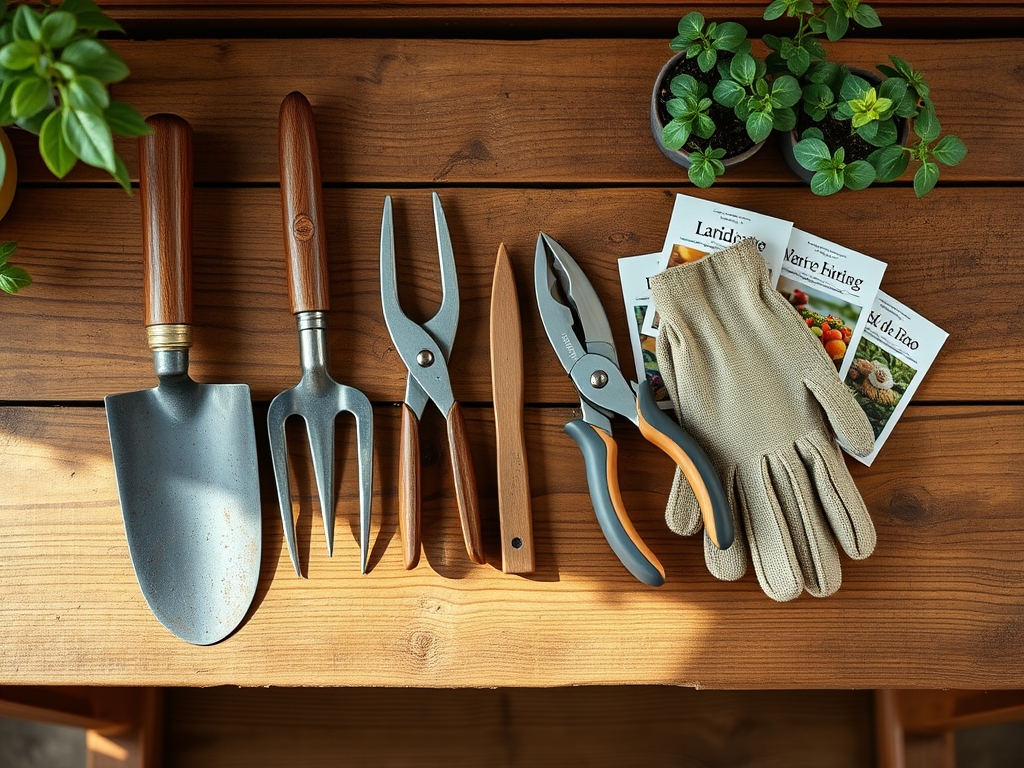
Successful sod removal and subsequent planting require a substrate that is a friable loam. This ideal texture consists of approximately 40 percent sand, 40 percent silt, and 20 percent clay. To prepare this medium, you must assess the soil pH; most temperate crops thrive in a range between **6.0 and 7.0**. For amendment, keep a high-quality organic fertilizer with an **NPK ratio of 5-10-5** on hand to support initial root development without causing salt burn. You will also need a sharp spade or a motorized sod cutter to sever the root mass at a depth of **2 to 3 inches**.
Timing:
The biological clock of your garden is dictated by USDA Hardiness Zones and local frost dates. In Zones 5 through 7, the window for clearing sod typically opens in early spring when the soil temperature reaches a consistent 50 degrees Fahrenheit. At this temperature, soil microbes become active, and the transition from vegetative dormancy to reproductive stages begins. Clearing sod while the grass is in its active growth phase ensures that you are removing maximum biomass before the plants can sequester more carbon into their root systems. Avoid working the soil when it is saturated; compressed wet soil destroys the macropores necessary for oxygen exchange.
Phases:
### Sowing
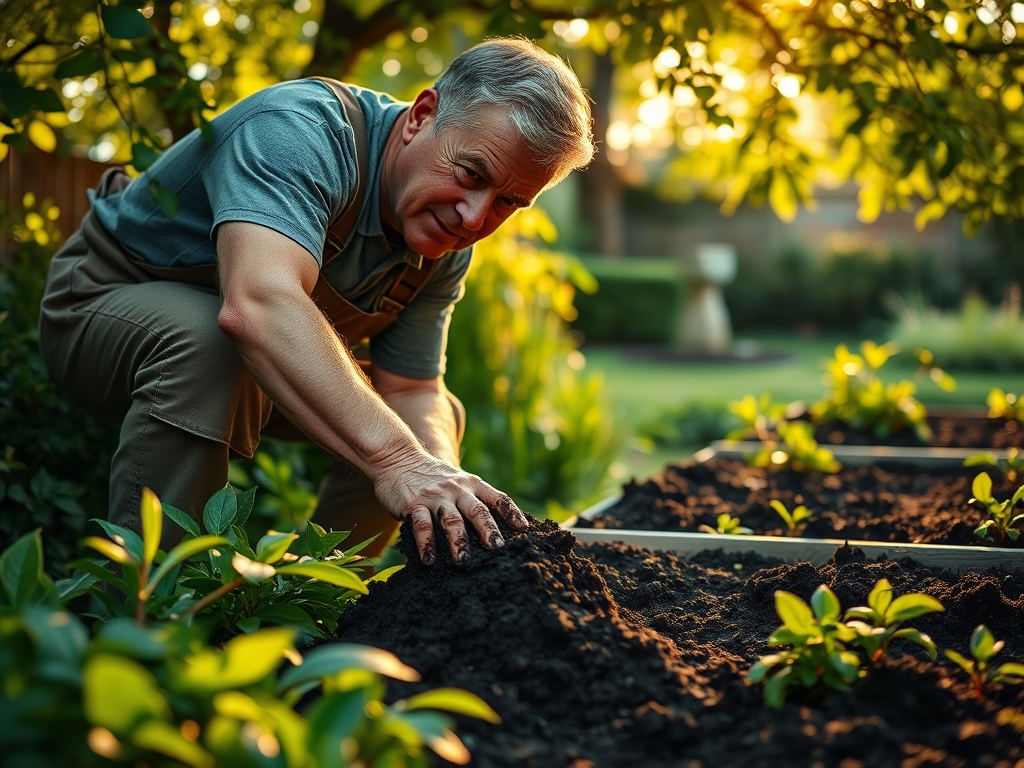
Once the sod is removed, the exposed soil must be prepared for seeds. Rake the surface to a fine tilth, ensuring no clumps larger than a marble remain. Sow seeds at a depth equal to twice their diameter.
Pro-Tip: Maintain consistent moisture to trigger imbibition. This is the biological process where the seed absorbs water, causing the embryo to swell and rupture the seed coat. Without this initial hydraulic pressure, the germination cycle will fail.
Transplanting
When moving starts into the cleared area, dig a hole twice as wide as the root ball. Ensure the crown of the plant sits flush with the soil surface to prevent stem rot.
Pro-Tip: Use a mycorrhizal inoculant during transplanting. This encourages a symbiotic relationship between the roots and beneficial fungi, effectively increasing the surface area of the root system for better phosphorus uptake and water absorption.
Establishing
The first 14 days are critical for root expansion. Monitor the plants for signs of wilt, which indicates a drop in turgor pressure.
Pro-Tip: Avoid excessive nitrogen application during this phase to prevent auxin suppression. High nitrogen levels can lead to rapid leaf growth at the expense of a robust root system, making the plant vulnerable to environmental stress.
The Clinic:
Physiological disorders often mimic disease but are usually rooted in environmental or nutritional imbalances.
Symptom: Interveinal chlorosis on young leaves.
Solution: This typically indicates an Iron deficiency, often caused by a soil pH that is too high, which locks out micronutrients.
Fix-It: Apply chelated iron and adjust the pH toward the acidic side using elemental sulfur.
Symptom: Blossom end rot in fruiting crops.
Solution: This is a Calcium deficiency caused by inconsistent moisture levels.
Fix-It: Ensure even irrigation to maintain the flow of calcium through the xylem. Add lime if the soil test confirms low calcium levels.
Symptom: Purpling of the underside of leaves.
Solution: This indicates Phosphorus deficiency, common in cold soils.
Fix-It: Apply a water soluble fertilizer with a high middle NPK number once soil temperatures rise above 55 degrees Fahrenheit.
Maintenance:
Precision is the hallmark of a professional garden. Use a soil moisture meter to ensure the root zone receives exactly 1.5 inches of water per week at the drip line. Avoid overhead watering to minimize the risk of fungal pathogens on the foliage. Use a hori-hori knife for precise weeding near the base of desired plants to avoid disturbing the root architecture. For woody perennials, use bypass pruners to make clean cuts at a 45 degree angle just above a lateral bud, which encourages healthy regrowth through apical dominance.
The Yield:
Harvesting is a race against senescence. For leaf crops, harvest in the early morning when turgor pressure is at its peak. This ensures the highest crispness and nutrient density. For fruiting bodies, look for the "breaker stage" when color first begins to change. Post-harvest, immediately move produce to a cool, shaded area. Removing field heat is essential for "day-one" freshness; it slows the metabolic rate of the harvested tissue and preserves the sugars within the cells.
FAQ:
How deep should I cut when removing sod?
Cut to a depth of 2 to 3 inches. This depth removes the majority of the fibrous root system and the crown of the grass, preventing regrowth while preserving the nutrient-rich topsoil located just beneath the root zone.
Can I compost the sod I remove?
Yes, but you must stack it grass-side down in a shaded area. Cover it with a tarp to exclude light and kill the rhizomes. After 6 to 12 months, the sod will decompose into high-quality loam.
When is the best time to clear sod?
The best time is late summer or early autumn. This allows the soil to settle over winter. Alternatively, clear in early spring once the soil is dry enough to crumble in your hand to avoid compaction.
Should I use a tiller after removing sod?
Avoid excessive tilling. Tilling can destroy soil structure and bring dormant weed seeds to the surface. Instead, use a broadfork to aerate the soil while keeping the natural horizons intact for better cation exchange capacity.