8 Best Seed Sowers for Meadows
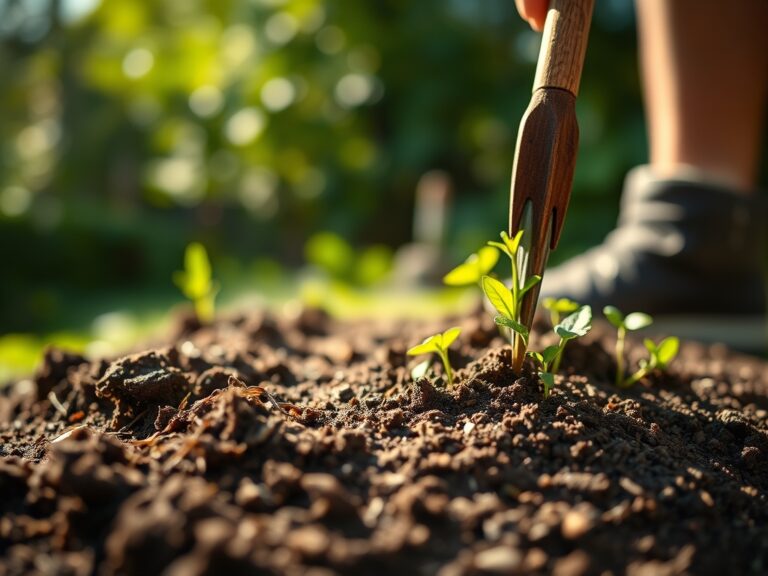
The smell of damp, disturbed earth signals the start of a successful planting season as the soil reaches a consistent 55 degrees Fahrenheit. Achieving proper seed-to-soil contact is the primary challenge when converting large acreage into a functional ecosystem. Successful establishment depends on precision delivery systems that account for varying seed sizes and weights. Utilizing the best seed sowers for meadows ensures that expensive wildflower and native grass mixes are distributed at the correct density to prevent overcrowding or resource competition. When the soil is at its peak friable state, the mechanical efficiency of your equipment dictates the final success of the stand. You are looking for a uniform distribution that mimics natural dispersal while maintaining the structural integrity of the topsoil. This process requires a deep understanding of mechanical calibration and biological timing to move from a barren plot to a thriving meadow.
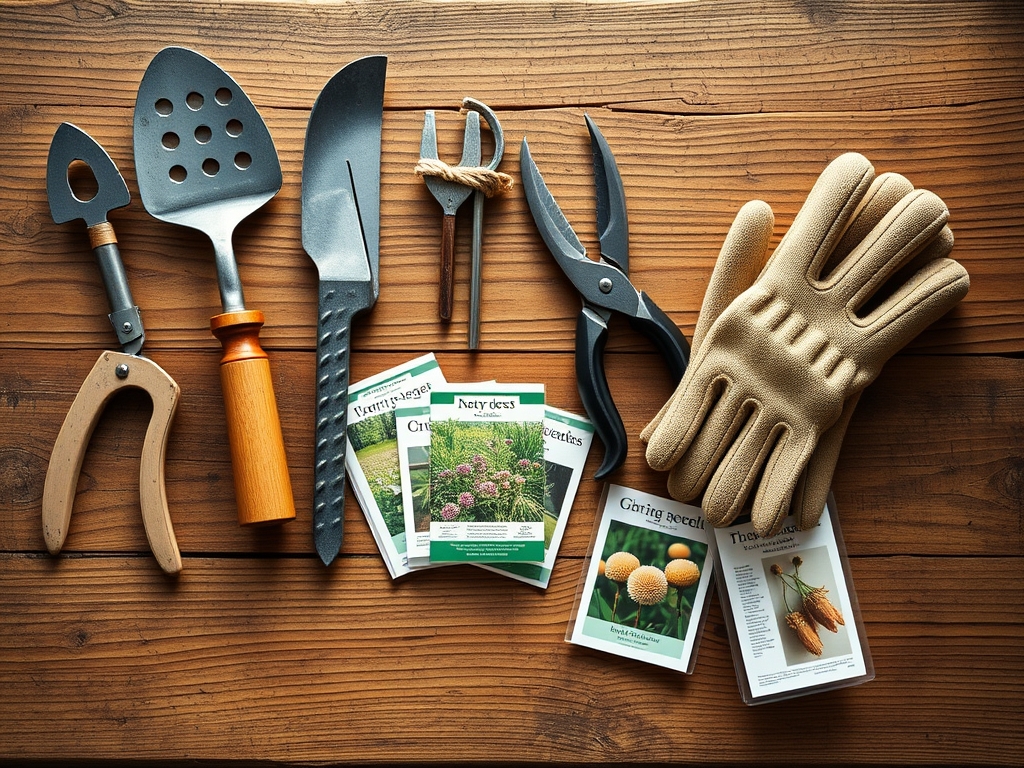
Materials:
Before deploying a seeder, you must analyze the substrate chemistry and physical structure. The ideal meadow substrate is a **friable loam with a pH between 6.0 and 7.0**. This range ensures optimal bioavailability of micronutrients and supports a robust **Cation Exchange Capacity (CEC)**, allowing the soil to hold and release essential ions like potassium and calcium.
For initial establishment, the NPK ratio should favor phosphorus (e.g., 5-10-5) to stimulate rapid root development rather than excessive foliar growth. High nitrogen levels often encourage invasive annual grasses that outcompete slower-growing perennials. If your soil test indicates a pH below 5.5, apply calcitic lime at a rate of 50 pounds per 1,000 square feet to neutralize acidity. The physical texture must be clear of large clods; a seedbed prepared to a "fine-crumb" consistency allows the mechanical agitators in your sower to drop seeds at a depth of no more than 1/8 to 1/4 inch.
Timing:
Meadow establishment is governed by the Hardiness Zone and the specific photoperiod requirements of the species mix. In Zones 3 through 6, dormant seeding in late autumn is often superior as it utilizes natural freeze-thaw cycles to scarify seed coats. For spring planting, wait until the threat of the last hard frost has passed and soil temperatures remain above 50 degrees Fahrenheit.
The biological clock of a meadow species moves from the vegetative stage, where carbon is allocated to root biomass, to the reproductive stage, where energy shifts to flower production. Interrupting this cycle with poor timing leads to stunted growth or failed germination. Most native meadow seeds require a period of cold stratification (30 to 90 days of temperatures below 40 degrees Fahrenheit) to break physiological dormancy. If you miss the spring window, wait for the autumn cooling period to ensure the seeds do not germinate too late in the summer, which would lead to heat-induced senescence before the root systems are established.
Phases:

Sowing
The first phase involves calibrating your equipment for the specific bulk density of the seed mix. Use a broadcast spreader for large areas or a hand-crank seeder for precision in smaller plots. Ensure the gate setting allows for a flow rate of approximately 10 to 15 pounds of seed per acre. Walk at a steady pace of 3 miles per hour to maintain a uniform spread pattern.
Pro-Tip: Always mix your seed with an inert carrier like damp sand or vermiculite at a 3:1 ratio. This increases the volume of the mix, preventing the mechanical bridge-over in the hopper and ensuring that tiny seeds do not settle at the bottom, which utilizes gravity-driven stratification to provide an even distribution across the entire field.
Transplanting
While most meadows are direct-seeded, "plugs" are often used to introduce specific high-value perennials. Use a hori-hori knife to cut a clean vertical slot in the soil. Ensure the root ball is placed so the crown is level with the soil surface. Space plugs 12 to 18 inches apart to allow for lateral expansion of the rhizosphere.
Pro-Tip: When installing plugs, apply a mycorrhizal inoculant directly to the root zone. This fosters mycorrhizal symbiosis, a biological partnership where fungi extend the reach of the root system to scavenge for phosphorus and water, significantly increasing the plant's drought tolerance during the first year.
Establishing
Once the seeds are on the ground, they must be pressed into the soil using a land roller or cultipacker. This ensures the seed is not suspended in air pockets, which would lead to desiccation. The establishment phase requires consistent moisture; the top 0.5 inches of soil must remain damp for the first 21 days.
Pro-Tip: Avoid heavy fertilization during the first 90 days to prevent auxin suppression in the young seedlings. Excessive nitrogen can cause the plant to prioritize rapid, weak stem growth over the development of a deep taproot, making the meadow vulnerable to lodging and wind damage.
The Clinic:
Physiological disorders in a new meadow often stem from environmental stressors rather than pathogens.
- Symptom: Nitrogen Chlorosis. Leaves turn pale yellow starting from the bottom of the plant while veins remain slightly green.
- Solution: Apply a liquid seaweed extract or a low-dose nitrogen fertilizer (4-0-0) to provide an immediate boost without burning young roots.
- Symptom: Damping Off. Seedlings collapse at the soil line and appear shriveled.
- Solution: This is caused by fungal pathogens in overly wet, compacted soil. Reduce irrigation frequency and use a soil aeration tool to improve gas exchange in the root zone.
- Symptom: Anthocyanin Accumulation. Leaves turn a distinct reddish or purple hue during cool spring weather.
- Solution: This often indicates a temporary phosphorus deficiency due to cold soil temperatures slowing down nutrient uptake. As the soil warms above 65 degrees Fahrenheit, the plant will naturally recover.
- Symptom: Leaf Curl. New growth appears distorted or curled inward.
- Solution: Check for high wind exposure or extreme heat. Increase the irrigation to 2 inches per week to maintain turgor pressure and protect the cellular structure of the foliage.
Maintenance:
A meadow requires disciplined monitoring during its first three years. Use a soil moisture meter twice weekly to ensure the hydration levels do not drop below 20% volumetric water content. During the heat of summer, provide 1.5 inches of water per week applied at the drip line or through a low-impact oscillation sprinkler to prevent soil erosion.
In late winter, use bypass pruners to remove dead woody stalks, but leave the majority of the biomass until early spring to protect the soil surface. Every two years, conduct a soil test to monitor the cation exchange levels. If potassium levels drop, top-dress with sulfate of potash at a rate of 2 pounds per 1,000 square feet to strengthen the cellular walls of the grasses and forbs.
The Yield:
If your meadow includes species for cutting, such as Echinacea or Rudbeckia, harvest when the first ring of disk flowers begins to open. Use a sharp hori-hori knife to make a clean 45-degree cut. To maintain "day-one" freshness, immediately plunge the stems into a bucket of water maintained at 40 degrees Fahrenheit. This rapid cooling slows down the plant's metabolic rate and prevents senescence, ensuring the flowers remain turgid for up to ten days.
FAQ:
What is the best time to sow a meadow?
The optimal window is late autumn for dormant seeding or early spring when soil temperatures hit 55 degrees Fahrenheit. This allows seeds to undergo natural stratification or take advantage of spring rains for rapid germination.
How do I calibrate a seed sower?
Measure a 100-square-foot area and test the flow of an inert carrier like sand. Adjust the hopper gate until the output matches your target weight per acre, ensuring even coverage without wasting expensive seed mixes.
Can I sow a meadow over existing grass?
No. Existing turf will outcompete new seedlings for light and nutrients. You must remove the sod or use a no-till drill seeder to ensure seeds reach the mineral soil and have a clear path for growth.
Why are my meadow seeds not germinating?
Common causes include improper sowing depth (too deep), lack of seed-to-soil contact, or insufficient moisture. Ensure seeds are no deeper than 1/4 inch and the soil remains consistently damp during the initial 21-day germination period.