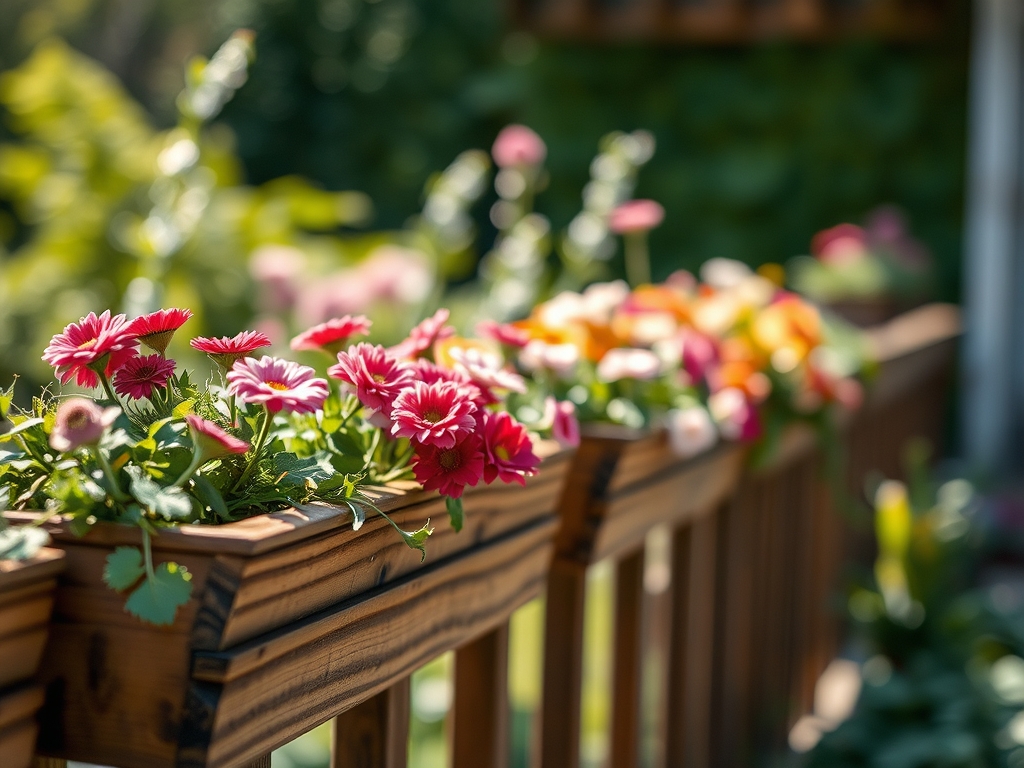
10 Best Railing Boxes for Flowers
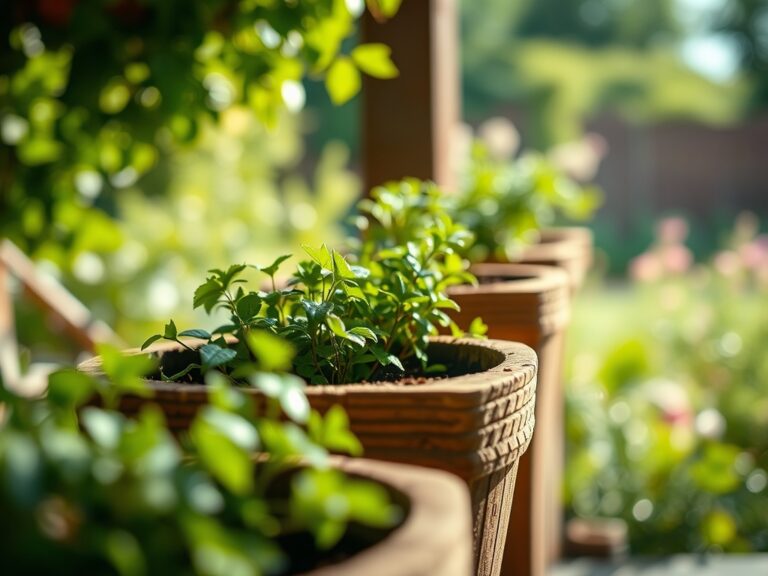
The smell of damp peat moss and the gritty texture of perlite between your fingers signal the start of a successful container season. When selecting the best railing boxes for flowers, the primary constraint is the limited root volume and the rapid rate of evaporation inherent in elevated planting. A healthy plant maintains high turgor pressure; this internal fluid force keeps stems rigid and leaves expanded for maximum photosynthetic efficiency. In a railing box, this pressure is under constant threat from wind desiccation and solar radiation hitting the sides of the container. You must choose a vessel that balances drainage with thermal insulation. Most standard railing boxes hold between 5 and 15 liters of substrate. This small volume means the rhizosphere, the area of soil immediately surrounding the roots, experiences extreme temperature fluctuations. Selecting the best railing boxes for flowers requires a focus on UV-stabilized polymers or treated cedar to prevent cellular damage to the root tips. Successful cultivation depends on managing these micro-climates with precision and technical rigor.
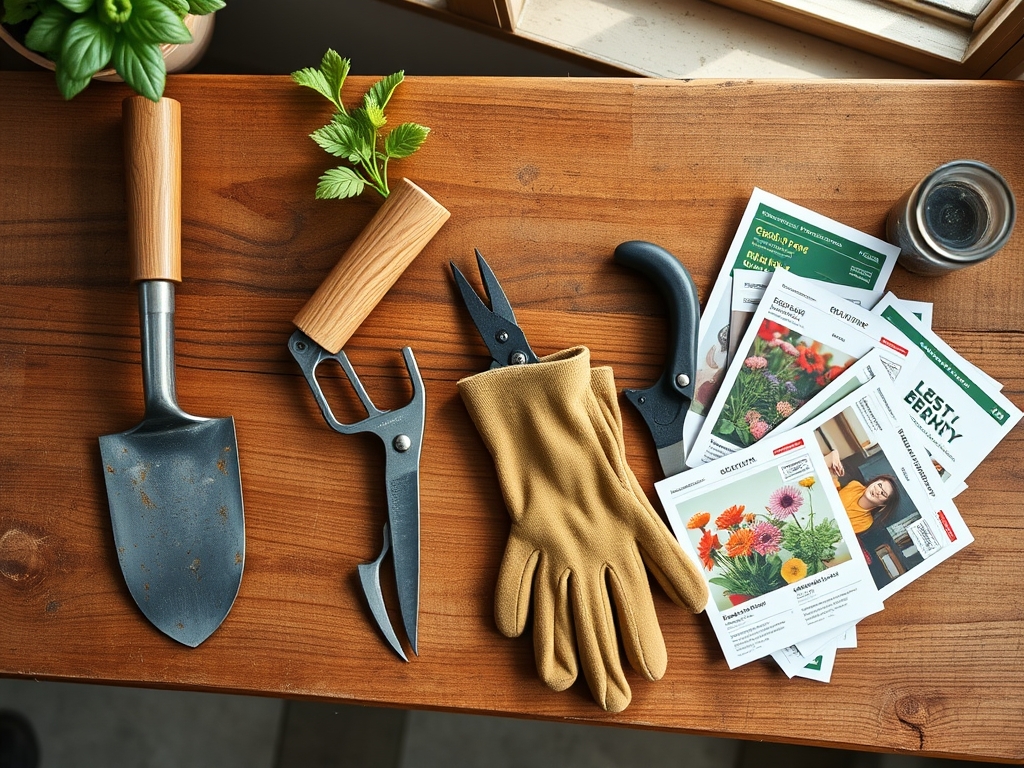
Materials:
The substrate within your railing box must be a friable loam with a high Cation Exchange Capacity (CEC). This measurement determines the soil’s ability to hold onto essential nutrients like Potassium (K+) and Ammonium (NH4+). For most flowering annuals, aim for a soil pH between 5.8 and 6.5 to ensure maximum nutrient bioavailability.
Incorporate a controlled-release fertilizer with an NPK ratio of 10-10-10 for general growth, or a 15-30-15 ratio if you are prioritizing immediate reproductive development. The physical texture should be porous; use a mix of 60% sphagnum peat or coconut coir, 20% perlite for aeration, and 20% vermiculite for moisture retention. Avoid using standard garden soil in railing boxes. Garden soil is too dense, leading to pore space collapse and anaerobic conditions that cause root rot. A high-quality professional mix will feel light and spongy when damp, allowing oxygen to reach the root zone even after heavy irrigation.
Timing:
Hardiness Zones 3 through 11 dictate your planting window. In Zone 6, do not install railing boxes until the final frost date has passed, typically mid-May, as elevated containers lose heat faster than the ground. The biological clock of your plants is governed by the photoperiod; the duration of light they receive in a 24-hour cycle. Long-day plants require more than 12 hours of light to trigger the transition from the vegetative stage to the reproductive stage.
Monitor the soil temperature with a probe; do not transplant until the substrate consistently reaches 60 degrees Fahrenheit (15.5 degrees Celsius). If you plant too early, the cold soil inhibits phosphorus uptake, resulting in purple-tinged foliage and stunted development. Conversely, in Zones 9 and 10, the heat of July can push soil temperatures above 90 degrees Fahrenheit, causing protein denaturation in the roots. In these regions, timing your planting for early spring or utilizing self-watering reservoirs is mandatory for survival.
Phases:

Sowing and Seed Starting
If starting from seed, use a sterile germination mix. Maintain a consistent temperature of 70 degrees Fahrenheit. Ensure the seeds are buried no deeper than twice their diameter to allow the hypocotyl to reach the surface before energy reserves are depleted.
Pro-Tip: Utilize a heat mat to trigger rapid germination. This works because increased soil temperature accelerates the metabolic enzymes within the seed embryo, shortening the time the seed is vulnerable to fungal pathogens in the soil.
Transplanting
When moving seedlings to the railing box, handle the root ball with care to avoid damaging the delicate root hairs. Dig a hole twice the size of the root mass using a hori-hori knife. Set the plant at the same depth it was in its previous container to prevent stem rot.
Pro-Tip: Water the plants with a seaweed-based solution immediately after transplanting. This reduces transplant shock by providing cytokinins, which are plant hormones that promote cell division and root elongation during the critical establishment phase.
Establishing
During the first 14 days, focus on root development rather than top growth. Keep the soil consistently moist but not saturated. This period is when the plant establishes its mycorrhizal symbiosis, a beneficial fungal relationship that extends the reach of the root system.
Pro-Tip: Pinch off any early flower buds during the first two weeks. This suppresses apical dominance and redirects the plant's energy (auxins) from reproductive growth toward lateral branching and root expansion, leading to a sturdier plant.
The Clinic:
Physiological disorders in railing boxes are often related to the restricted environment.
-
Symptom: Interveinal Chlorosis. The leaves turn yellow while the veins remain green.
Solution: This indicates a Magnesium deficiency or an iron lockout due to high pH.
Fix-It: Apply a foliar spray of Epsom salts (1 tablespoon per gallon of water) or lower the pH using elemental sulfur. -
Symptom: Blossom End Rot. Dark, leathery spots appear on the base of the fruit or flower.
Solution: This is caused by a Calcium deficiency, often triggered by inconsistent watering.
Fix-It: Maintain a steady irrigation schedule and ensure the soil pH is above 5.5 to allow Calcium uptake. -
Symptom: Leaf Scorch. Brown, crispy edges on the foliage.
Solution: High transpiration rates are exceeding the roots' ability to provide water.
Fix-It: Move the box to a location with afternoon shade or increase the frequency of irrigation. -
Symptom: Nitrogen Chlorosis. Older leaves turn uniformly pale green or yellow.
Solution: The plant is mobilizing Nitrogen from old growth to support new growth.
Fix-It: Apply a water-soluble high-nitrogen fertilizer (e.g., 20-10-10) to restore levels in the rhizosphere.
Maintenance:
Precision maintenance is the difference between a failing box and a thriving one. Use a soil moisture meter daily. Railing boxes typically require 1.5 inches of water per week, but in peak summer, they may need 0.5 gallons of water per day per linear foot of box. Always water at the base of the plant to keep the foliage dry, which prevents the spread of fungal spores.
Use bypass pruners to remove spent blooms (deadheading). This prevents the plant from entering senescence, the final stage of the life cycle where it produces seeds and dies. By removing the developing seeds, you force the plant to continue its reproductive efforts, resulting in more flowers. Every four weeks, flush the soil with clear water until it runs out the drainage holes to prevent the buildup of fertilizer salts, which can cause osmotic stress and "burn" the roots.
The Yield:
For floral displays, harvest stems in the early morning when turgor pressure is at its peak. Use a sharp, sterilized blade to make a 45-degree angle cut; this increases the surface area for water uptake. Immediately submerge the stems in 100-degree Fahrenheit water to remove air bubbles from the xylem, a process known as conditioning.
If you are growing edible flowers like nasturtiums or pansies, harvest them just as they fully open. Store them in a sealed container with a damp paper towel at 40 degrees Fahrenheit. This slows down the respiration rate and maintains the structural integrity of the petals for up to three days.
FAQ:
How often should I water railing boxes?
Check the soil daily. Most boxes require deep watering every 24 to 48 hours. In temperatures above 85 degrees Fahrenheit, you may need to water twice daily to maintain cellular turgor and prevent wilting.
What is the best fertilizer for railing flowers?
Use a water-soluble fertilizer with a high phosphorus middle number (e.g., 10-30-10). Phosphorus is essential for ATP production and energy transfer, which fuels the heavy metabolic demands of constant flower production in confined spaces.
Why are my railing box leaves turning yellow?
Yellowing, or chlorosis, usually indicates a Nitrogen deficiency or overwatering. Overwatering displaces oxygen in the soil pores, causing root hypoxia. Check the drainage holes and ensure the substrate is not compacted or waterlogged.
Can I reuse the soil in my railing boxes next year?
It is not recommended. Over a season, the soil structure collapses and salts accumulate. Pathogens may also overwinter in the media. Replace the substrate annually with fresh, sterile professional potting mix to ensure a high Cation Exchange Capacity.