8 Simple Ways How to Spray Tomato Blight
Tomato blight transforms healthy vines into blackened, wilting skeletons within 72 hours during humid summer conditions. The two primary culprits, early blight (Alternaria solani) and late blight (Phytophthora infestans), require distinct but overlapping spray strategies. Learning how to spray tomato blight effectively means understanding fungicide chemistry, application timing, and the plant's vascular architecture. A single missed application during a critical infection window can cost an entire season's harvest.
Materials for Blight Control
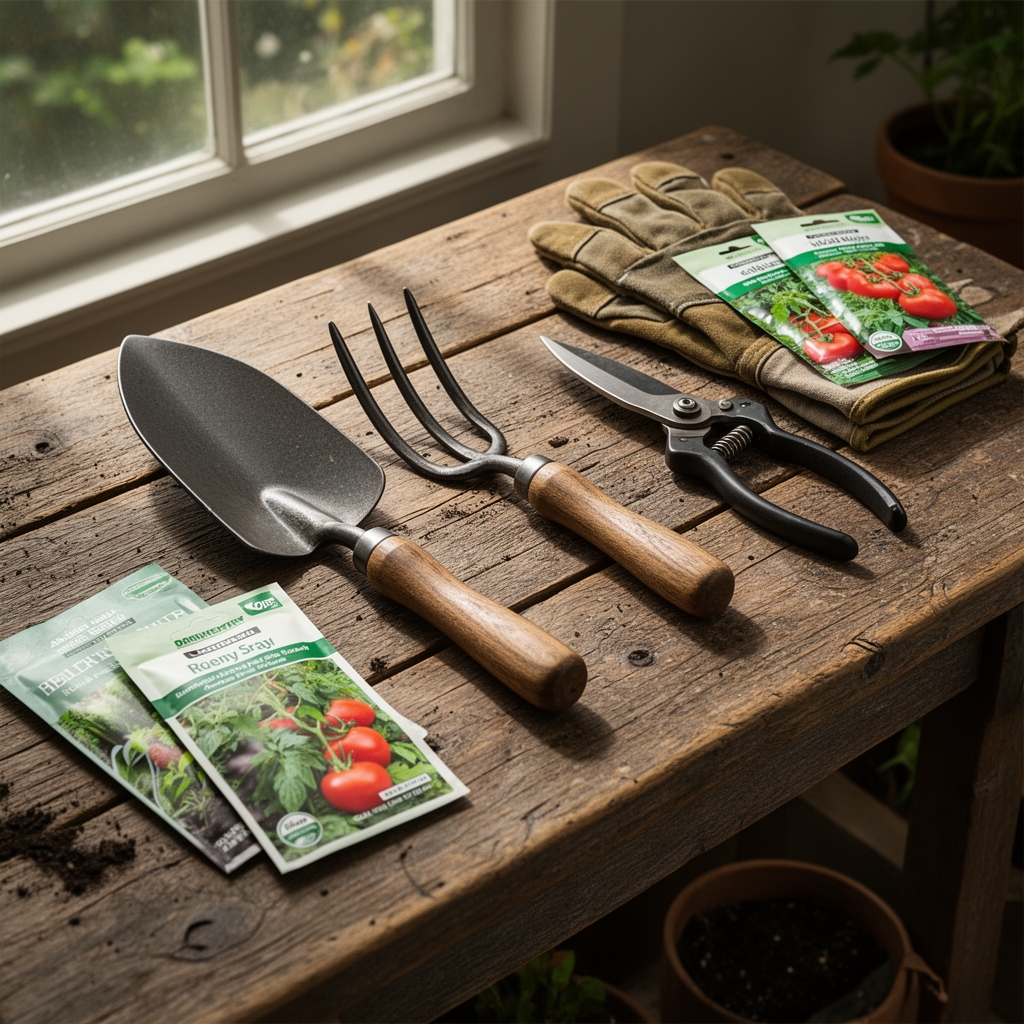
Copper-based fungicides remain the foundation of organic blight management. Products containing 50-70% copper hydroxide or copper sulfate work as contact protectants, forming a barrier on leaf surfaces that disrupts spore germination. Maintain soil pH between 6.0 and 6.8 when using copper sprays; acidic conditions below 5.5 increase copper toxicity to roots and beneficial bacteria.
Chlorothalonil formulations (sold as Daconil or Bravo) provide broad-spectrum protection against both blight forms. The active ingredient bonds to fungal enzymes and halts cell division. Mix at 2 tablespoons per gallon for standard coverage.
Bacillus subtilis biological sprays colonize leaf surfaces and outcompete pathogenic spores. These living microbial products require temperatures between 60-85°F to establish populations effectively.
Neem oil (azadirachtin 0.9-1.2%) serves dual purposes: fungal suppression and aphid control. Aphids vector viral diseases that compound blight stress. Apply neem at 2-4 tablespoons per gallon with 0.5% insecticidal soap as an emulsifier.
Pair spray programs with balanced fertilization. A 5-5-5 organic blend or 10-10-10 synthetic formula every 14 days maintains immune response without promoting excess vegetative growth that holds humidity near stems.
Timing Applications by Zone
In Zones 3-5, begin preventive sprays when nighttime temperatures stabilize above 50°F, typically late May through early June. Cold-climate gardeners face compressed growing seasons; late blight spores arrive on warm southern winds during July.
Zones 6-8 require earlier intervention. Start applications in mid-May, immediately after transplanting. Humidity levels above 90% for 10+ hours trigger infection events. Monitor local weather stations for these conditions.
Zones 9-11 contend with year-round susceptibility. Spray every 7-10 days during rainy seasons, extending to 14-day intervals during dry months.
Ideal application windows occur early morning (6-9 AM) when stomata open but dew has evaporated. Evening sprays keep foliage wet overnight, paradoxically creating ideal conditions for the pathogens you're trying to suppress.
Application Phases

Sowing to Transplant (0-6 Weeks)
Seedlings develop resistance architecture during this phase. Foliar spray with compost tea (1:10 dilution) at the two-true-leaf stage introduces beneficial microbes that colonize leaf surfaces. The microbial film creates competition for infection sites.
Pro-Tip: Add 1 tablespoon of soluble kelp (0-0-1 with 2% potassium) per gallon of spray. Kelp extract increases synthesis of pathogenesis-related proteins by 40% according to trials from Cornell University.
Transplant to First Flower (Weeks 6-10)
Apply copper fungicide at 7-day intervals beginning at transplant. Spray volume matters: 2 gallons per 100 square feet ensures complete coverage including stem axils where blight begins.
Prune lower leaves to 8 inches above soil level. This reduces splash-back inoculation from rain or overhead irrigation. Remove pruned material from the garden; composting requires 140°F+ for pathogen kill.
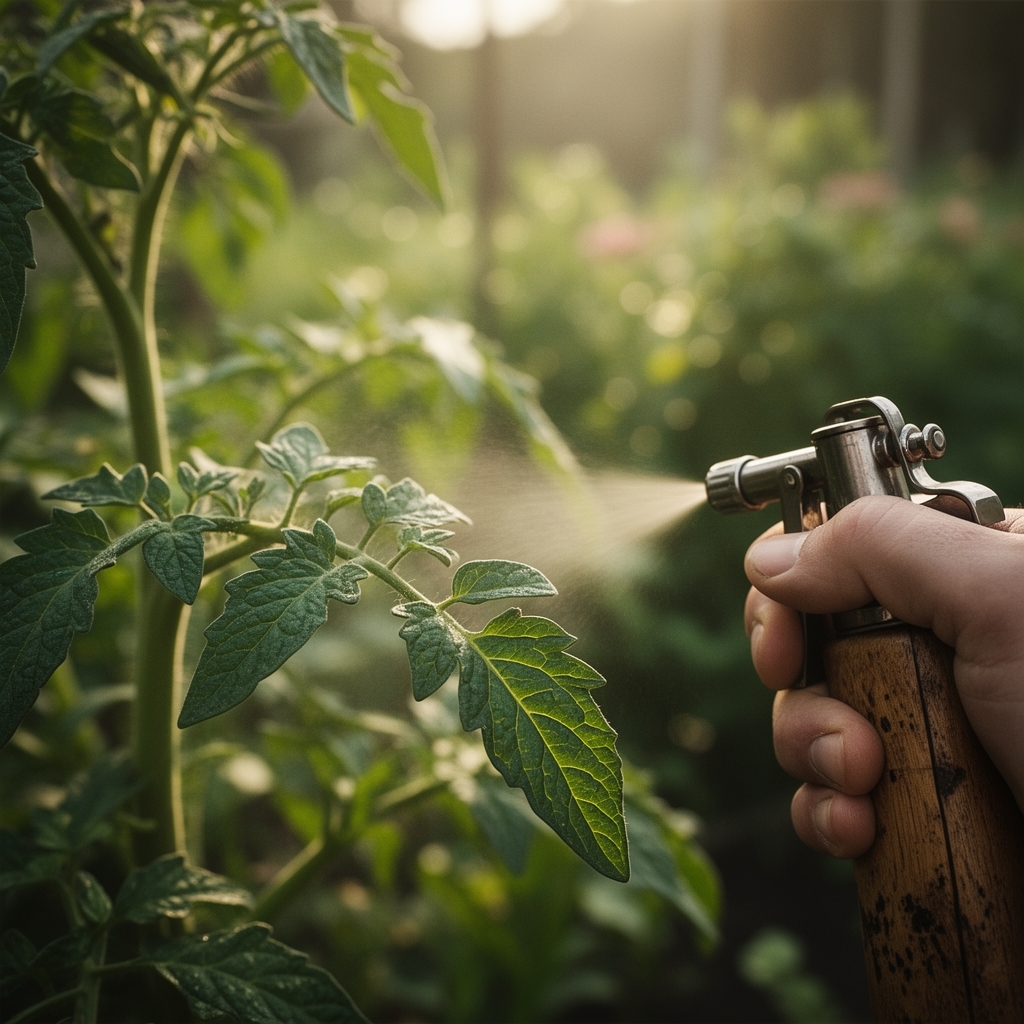
Pro-Tip: Spray undersides of leaves first, then tops. Stomata concentrate on lower leaf surfaces where spores enter. Use a pump sprayer with an adjustable nozzle angled 30 degrees upward.
Fruit Set to Harvest (Weeks 10-18)
Rotate active ingredients every 14-21 days to prevent resistance development. A three-way rotation using copper, chlorothalonil, and Bacillus subtilis covers different modes of action.
Increase spray frequency to 5-day intervals when conditions favor disease: temperatures 60-80°F combined with leaf wetness exceeding 12 hours. These parameters match the infection coefficient for Phytophthora infestans.
Pro-Tip: Cease copper applications 14 days before harvest. Copper residues affect flavor profiles and may exceed organic certification limits of 20 ppm on fruit surfaces.
Troubleshooting Guide
Symptom: Concentric brown rings on lower leaves, yellowing between spots
Solution: Early blight signature. Increase nitrogen slightly (add blood meal at 1/4 cup per plant, 12-0-0). Remove affected leaves. Apply mancozeb or chlorothalonil every 7 days.
Symptom: Gray-white fungal growth on leaf undersides, water-soaked brown patches
Solution: Late blight in active sporulation. This requires immediate containment. Remove entire plants if more than 30% of foliage shows symptoms. Spray remaining plants with fixed copper every 3-5 days.
Symptom: Yellow stippling on upper leaf surfaces, fine webbing
Solution: Spider mites, secondary to blight stress. Spray with horticultural oil (2%) at 5-day intervals for three applications. Mites thrive in dusty conditions created by copper spray residue.
Symptom: Spray burn, leaf edges browning 24-48 hours post-application
Solution: Copper phytotoxicity from excessive concentration or application during heat above 85°F. Flush foliage with plain water. Reduce copper concentration to 1.5 tablespoons per gallon.
Symptom: No disease but poor fruit set despite spraying
Solution: Fungicide drift onto flowers disrupts pollinator activity. Shield blooms during application or spray in early morning before bee foraging begins at 10 AM.
Maintenance Protocol
Water at soil level only, delivering 1.5 inches per week through drip irrigation or soaker hoses. Overhead watering extends leaf wetness duration by 6-8 hours, multiplying infection risk.
Mulch with 3-4 inches of straw or shredded leaves to prevent soil splash. Blight spores overwinter in soil and require a physical barrier.
Stake plants using the Florida weave method or individual cages that maintain 12 inches between plants. Air circulation reduces humidity in the canopy by 15-20%.
Side-dress with calcium nitrate (15.5-0-0 with 19% calcium) at 1 tablespoon per plant when fruits reach golf-ball size. Calcium strengthens cell walls against pathogen penetration.
Scout plants every 48 hours during humid weather. Early detection allows removal of infected tissue before spores mature and spread.
FAQ
How often should I spray for tomato blight?
Every 7-10 days for prevention, every 3-5 days during active disease pressure when humidity exceeds 90% and temperatures range 60-80°F.
Can I eat tomatoes after spraying copper fungicide?
Yes, after washing thoroughly. Wait 24 hours post-application. Copper fungicides have a 0-day pre-harvest interval for tomatoes under EPA regulations.
What's the difference between early and late blight sprays?
Early blight responds to chlorothalonil and mancozeb. Late blight requires aggressive copper applications or systemic fungicides like cymoxanil. Late blight spreads 10x faster.
Will baking soda sprays work for blight?
Sodium bicarbonate (1 tablespoon per gallon plus 1 tablespoon horticultural oil) has moderate efficacy against early blight only, reducing infection by 40-60% versus 85-95% for synthetic fungicides.
Should I spray in the rain?
No. Rain washes off contact fungicides within 30 minutes. Wait until foliage dries completely and no rain is forecast for 4-6 hours minimum.