7 Easy Ways How to Spray Deer Repellent
Garden damage from ungulate browsing costs U.S. homeowners an estimated $1.6 billion annually in destroyed ornamentals and vegetables. Understanding how to spray deer repellent transforms this passive loss into active defense. The most effective chemical barriers combine sensory deterrents with adhesion chemistry, applied at precise intervals to maximize residual efficacy without disrupting the soil microbiome or the cation exchange capacity of surrounding beds.
Materials
Effective repellent systems require both active compounds and delivery tools matched to plant physiology. Commercial formulations fall into two categories: protein-based (putrescent egg solids, blood meal) and botanical irritants (capsaicin, garlic extract). Protein sprays deliver NPK values near 1-0-0 and lower soil pH by 0.2 to 0.4 units over three applications. Capsaicin blends remain pH-neutral.
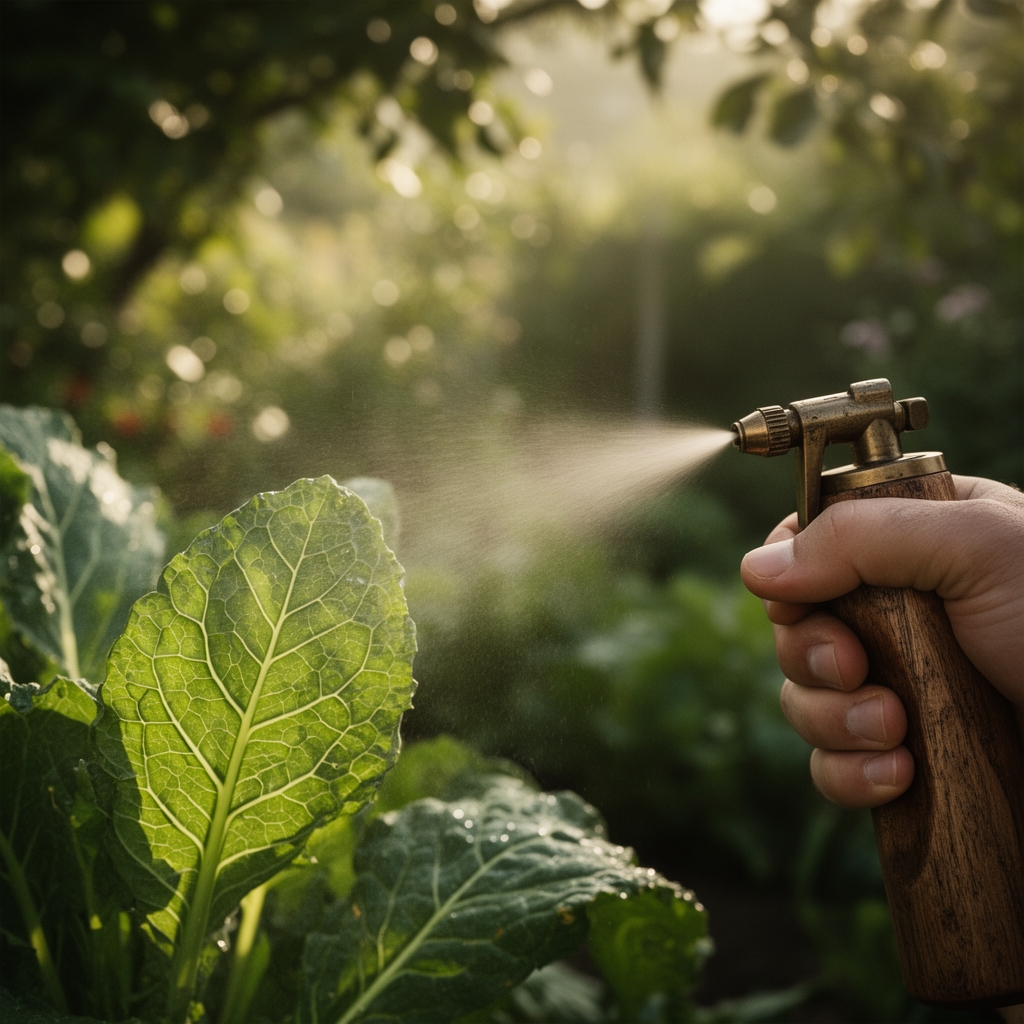
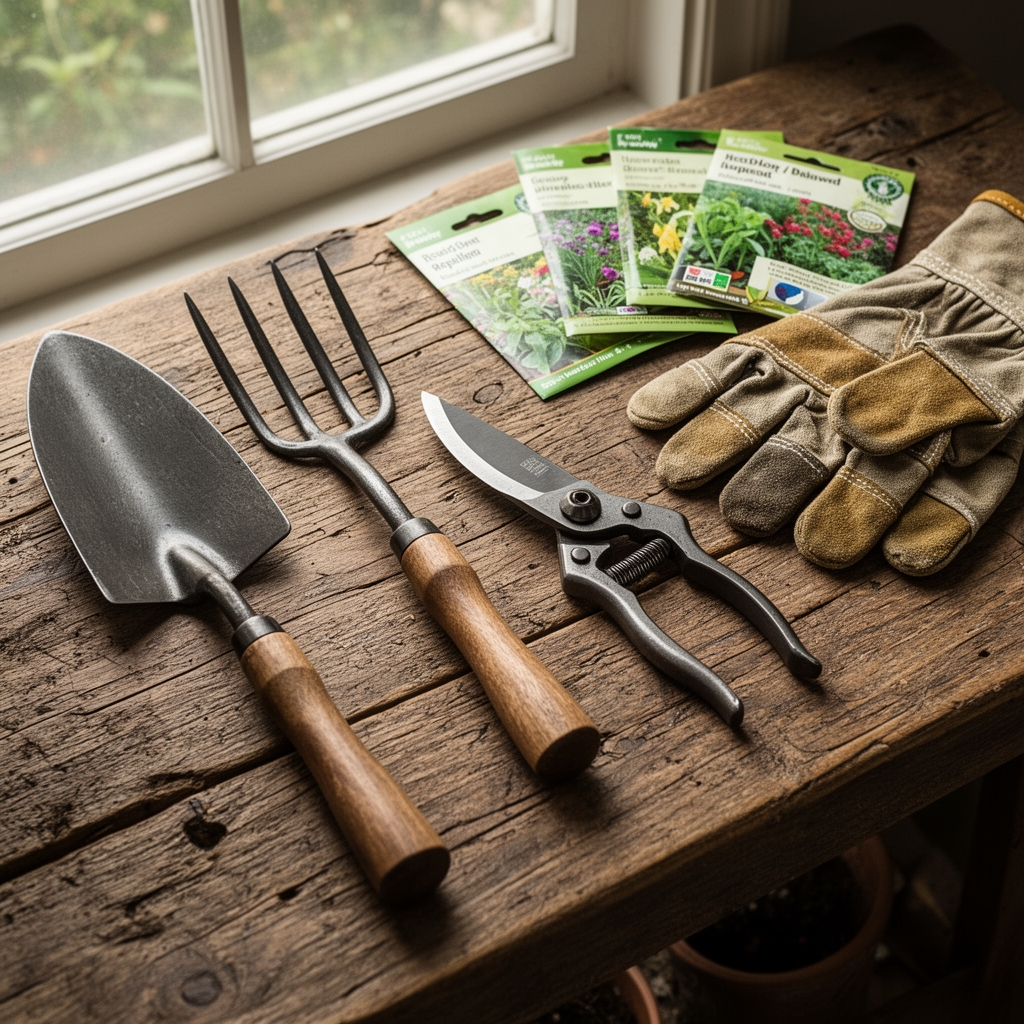
Essential equipment includes a 2-gallon pressurized sprayer with adjustable nozzle, calibrated to deliver 0.5 milliliters per square foot of foliage. Choose stainless steel wands to prevent corrosion from sulfur compounds in garlic-based products. Add a spreader-sticker agent at 0.25% concentration to improve cuticle adhesion during periods of high relative humidity. Non-ionic surfactants work best on waxy-leafed species like rhododendrons and hollies.
For organic systems, combine 3 tablespoons fish emulsion (5-1-1 NPK) per gallon of water with 2 tablespoons hot pepper sauce. This mixture adds trace nitrogen while creating olfactory and gustatory barriers. The mild acidity (pH 6.2) benefits acid-loving plants like blueberries but requires monitoring near alkaline-preferring perennials.
Timing
Application windows align with hardiness zones and cervid feeding behavior. In USDA Zones 3 through 5, begin spray protocols two weeks before last spring frost when shoots emerge and browse pressure intensifies. Deer metabolic demand peaks during antler growth (April through July) and pre-rut fattening (September through October).
Zones 6 through 8 require year-round vigilance. Start initial applications when soil temperatures reach 50°F at 4-inch depth. This coincides with auxin distribution in new growth, the tissue most palatable to ungulates. Reapply every 21 days during active growing season, every 35 days during winter dormancy.
Southern zones (9 through 11) face constant browse pressure. Establish a 14-day rotation during rainy seasons when rainfall exceeds 0.5 inches per week. Volatile compounds in capsaicin and allicin degrade 40% faster above 85°F, necessitating more frequent summer applications.
Application Phases

Initial Coverage
Treat all susceptible plants before visible damage occurs. Spray until foliage shows first sign of runoff, typically 1.2 to 1.5 seconds per square foot of canopy. Target lower branches first, working upward. Deer browse height ranges from 6 inches (fawns) to 6 feet (mature bucks). Cover stems, leaf surfaces, and flower buds.
Pro-Tip: Apply during morning hours when stomata are fully open. This allows trace absorption of water-soluble components, creating systemic bitterness that persists through one rain event.
Maintenance Applications
Reapplication schedules depend on rainfall and plant growth rate. New foliage emerges unprotected. Fast-growing annuals like hostas require weekly touch-ups during May and June when leaf expansion exceeds 2 inches per week. Woody ornamentals need coverage only on current-season growth after initial whole-plant treatment.
Mark calendar dates rather than relying on visual damage cues. Deer establish feeding patterns within 48 hours of repellent degradation. Preventive spraying costs $0.12 per square foot per season. Replacement plants average $18 per specimen.
Pro-Tip: Alternate protein-based and capsaicin formulas every other application. This prevents habituation to single-compound deterrents.
Seasonal Transitions
October applications require double concentration as deer olfactory sensitivity decreases with cold weather adaptation. Mix standard formulas at 150% strength. Spring applications benefit from reduced rates (75%) when alternative forage is abundant and browsing pressure disperses.
Pro-Tip: Add 1 tablespoon molasses per gallon to autumn sprays. The sugar enhances sticking power during freeze-thaw cycles without promoting fungal growth on dormant tissue.
Troubleshooting
Symptom: White residue on leaf surfaces, visible chlorosis.
Solution: Over-application of protein sprays blocks photosynthetically active radiation. Reduce concentration to 50% and rinse foliage with clear water.
Symptom: Continued browse damage despite regular spraying.
Solution: Deer population exceeds carrying capacity. Supplement with physical barriers (7-foot fencing) or increase rotation to 10-day intervals. Check sprayer calibration; under-application below 0.4 milliliters per square foot proves ineffective.
Symptom: Leaf burn on tender annuals.
Solution: Capsaicin concentration exceeds tissue tolerance. Dilute to 25% label rate for impatiens, coleus, and new lettuce transplants.
Symptom: Rapid loss of efficacy after rain.
Solution: Surfactant inadequate. Increase spreader-sticker to 0.5% or switch to polymer-based adhesion agents rated for 0.75 inches rainfall protection.
Maintenance Schedule
Apply 0.5 inches water within 6 hours if using water-activated granular repellents near spray zones. This prevents salt accumulation that damages mycorrhizal fungi associations critical for phosphorus uptake. Avoid overhead irrigation for 24 hours post-spray to maximize cuticle absorption.
Prune damaged branches at 45-degree angles, 0.25 inches above nodes. Remove browse-damaged tissue to prevent pathogen entry points. Sterilize tools with 10% bleach solution between cuts.
Monitor soil EC (electrical conductivity) monthly if using protein sprays. Values above 2.0 mS/cm indicate excess nitrogen loading. Leach beds with 2 inches of water to restore nutrient balance.
FAQ
How long does spray repellent last?
Protein formulas persist 28 days in dry conditions, 14 days with weekly rain. Capsaicin types last 21 days average.
Can I spray edible crops?
Yes. Use OMRI-listed products. Observe label harvest intervals, typically 0 to 3 days for organic formulations.
What temperature is safe for spraying?
Apply between 45°F and 75°F. Avoid spraying when frost is predicted within 12 hours.
Will repellent harm beneficial insects?
Properly diluted sprays show no toxicity to pollinators. Avoid direct application to open flowers.
Do I need to spray ornamental grasses?
No. Deer avoid grasses except under starvation conditions. Focus applications on broadleaf plants and woody species.