10 Basic Steps to Stop Bird Pecking
Bird pecking destroys emerging seedlings, damages ripening fruit, and can decimate a young vegetable garden in a matter of hours. The steps to stop bird pecking begin with understanding avian behavior patterns and implementing physical, biological, and environmental deterrents that protect crops without harming wildlife. This guide provides a systematic approach rooted in integrated pest management principles and horticultural science to safeguard your garden investment.
Materials
Physical Barriers (pH-neutral, no NPK impact)
- Lightweight bird netting (3/4-inch mesh polypropylene)
- Row covers (0.55 oz/sq yd spunbonded polypropylene)
- Reflective tape (holographic polyester, 2-inch width)
- Garden stakes (bamboo or cedar, 48-inch minimum)
Deterrent Amendments
- Diatomaceous earth (food-grade, pH 7.0)
- Kaolin clay spray (surround WP, pH 8.0-9.0)
- Blood meal (12-0-0 NPK, pH 6.0, acts as nitrogen source and olfactory deterrent)
Companion Plants
- Marigolds (Tagetes patula, prefers pH 6.0-7.5, light feeder)
- Sunflowers (Helianthus annuus, decoy crop, 5-10-5 fertilizer recommendation)
Sensory Deterrents
- Predator decoys (rotating hawk or owl models)
- Motion-activated sprinklers
- Ultrasonic bird deterrent devices
Timing
Zone-Specific Implementation Windows
Zones 3-5: Install deterrents 2 weeks before last frost date (typically mid-April to early May). Birds intensify foraging during spring migration when natural food sources remain scarce.
Zones 6-8: Begin protection measures in late March. Resident bird populations increase feeding activity as nesting season commences.
Zones 9-11: Year-round vigilance required. Stagger deterrent methods every 6 weeks to prevent habituation.
Critical Protection Periods
- Seed germination: Days 3-14 post-sowing
- Fruit set to harvest: 80% color development triggers maximum pecking pressure
- Transplant establishment: First 21 days show highest vulnerability
Phases
Phase 1: Pre-Planting Preparation
Assess historical damage patterns before soil preparation. Install permanent framework for netting systems using T-posts or PVC hoops at 6-foot intervals. Apply blood meal at 2.5 lbs per 100 square feet during final bed preparation. This provides 0.3 lbs actual nitrogen while creating an olfactory barrier that persists for 4-6 weeks.
Pro-Tip: Mix mycorrhizal fungi inoculum (Glomus intraradices) at transplant time to accelerate root establishment. Faster-growing plants recover more effectively from minor bird damage.
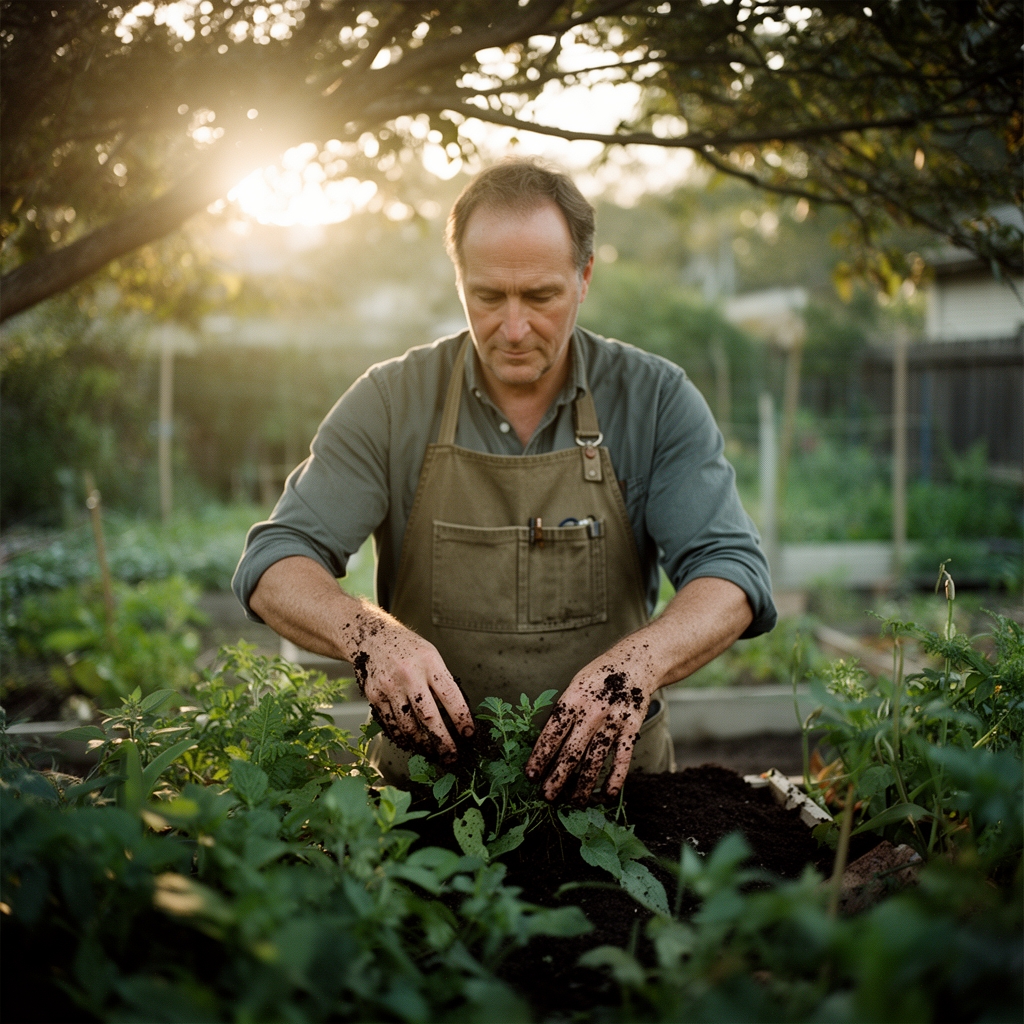
Phase 2: Active Growth Protection
Deploy netting immediately after transplanting or when seedlings reach 2-inch height. Maintain 8-12 inches clearance between plant canopy and netting to prevent entanglement. Secure edges with landscape staples every 18 inches.
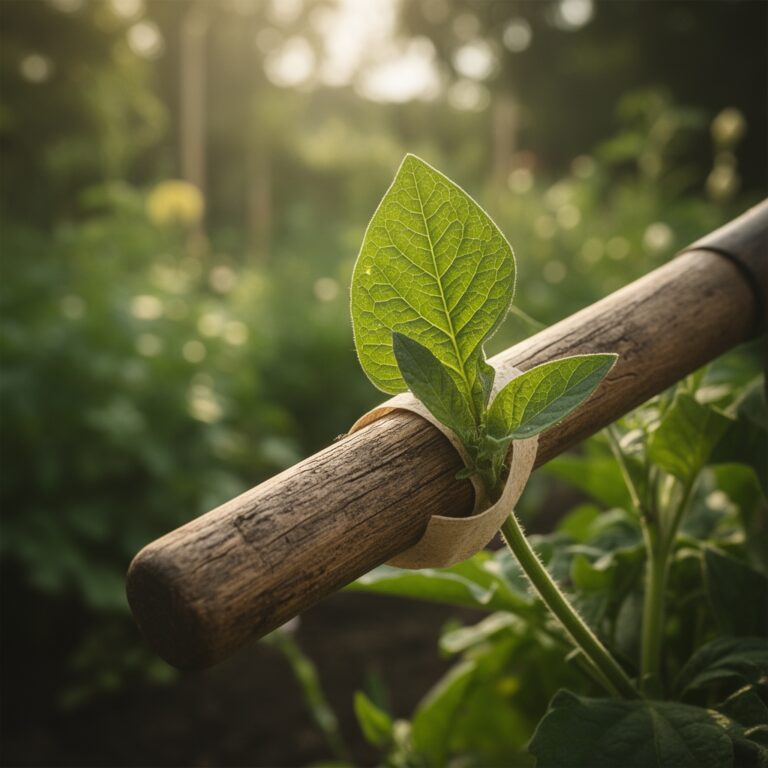
Rotate reflective tape positions weekly. Birds habituate to static deterrents within 10-14 days. Hang tape at 45-degree angles to maximize light refraction across multiple sun angles.
Pro-Tip: Prune lower branches at 30-degree angles on fruiting crops to improve air circulation and reduce perching opportunities. Clean cuts heal faster and minimize auxin distribution disruption.
Phase 3: Harvest Period Intensification
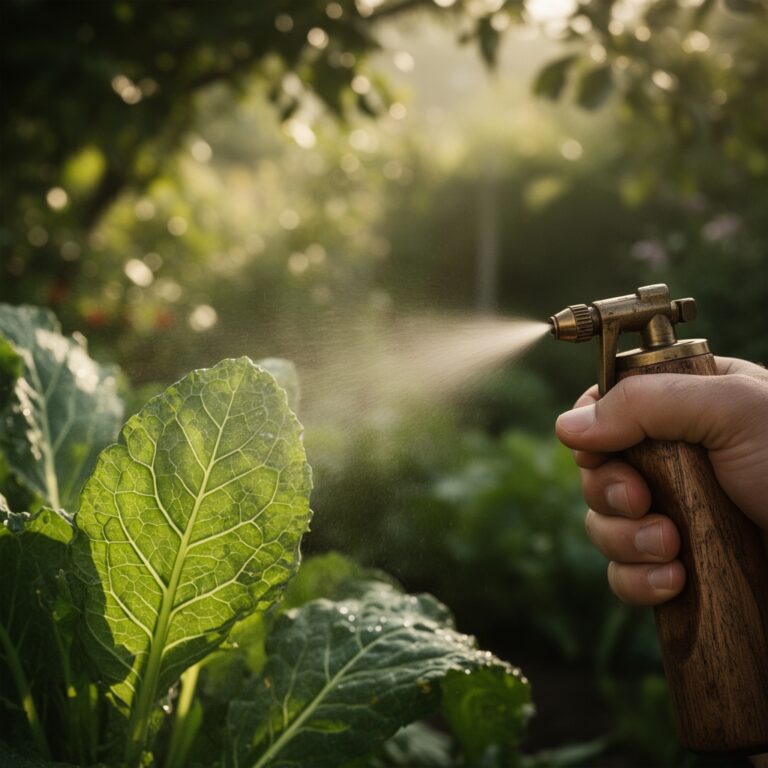
Apply kaolin clay spray when fruit reaches 50% mature size. Mix 2-4 tablespoons per gallon water. Reapply after rainfall exceeding 0.5 inches. The white coating confuses birds through visual disruption and creates an unpalatable texture.
Install motion-activated sprinklers in high-traffic zones. Position sensors 24 inches above ground, angled to cover 1,200 square feet per unit.
Pro-Tip: Plant sacrificial sunflower rows 15 feet from primary crops. Birds preferentially target these decoys. Sunflowers require full sun and respond well to 5-10-5 fertilizer applied at 1 lb per 10 linear feet.
Troubleshooting
Symptom: Netting sags onto plants
Solution: Install support hoops every 4 feet using 1/2-inch PVC pipe bent to 18-inch height. This maintains structural integrity and prevents crop compression.
Symptom: Birds enter through netting gaps
Solution: Overlap netting edges by 12 inches minimum. Use binder clips every 6 inches along seams. Inspect weekly for tears.
Symptom: Plants show nitrogen deficiency after blood meal
Solution: Blood meal releases nitrogen slowly. Supplement with fish emulsion (5-1-1 NPK) at 2 tablespoons per gallon weekly until foliage regains deep green color.
Symptom: Predator decoys lose effectiveness
Solution: Reposition decoys every 3 days. Elevate owls 6-8 feet on posts. Move hawk models to different garden quadrants.
Symptom: Kaolin clay burns foliage
Solution: Apply only during temperatures below 85°F. Spray during early morning when stomata remain partially closed. Reduce concentration to 1.5 tablespoons per gallon.
Maintenance
Weekly Tasks
- Inspect netting for 3-inch or larger tears
- Rotate reflective tape to new positions
- Remove bird droppings from netting (phosphorus accumulation)
- Check motion sensor batteries
Watering Protocol
Provide 1 inch of water per week through drip irrigation. Overhead watering increases fruit attractiveness to birds through enhanced sugar concentration in surface moisture.
Soil Management
Maintain soil pH between 6.2-6.8 for optimal cation exchange capacity. Test every 8 weeks during growing season. Adjust with elemental sulfur (acidify) or dolomitic lime (raise pH) at rates determined by test results.
Seasonal Fertilization
Apply balanced 4-4-4 organic fertilizer at 5 lbs per 100 square feet every 6 weeks. This supports steady growth without excessive auxin production that attracts insect pests.
FAQ
How soon do physical barriers show effectiveness?
Properly installed netting provides immediate 95% protection. Combine with secondary deterrents for complete coverage.
Can bird deterrents harm beneficial insects?
Netting with 3/4-inch mesh allows pollinator access. Avoid ultrasonic devices exceeding 20 kHz during bloom periods.
What NPK ratio prevents bird attraction?
No fertilizer ratio deters birds directly. Balanced nutrition (4-4-4 to 5-10-5) promotes plant health for damage recovery.
How often should deterrent methods rotate?
Change visual and auditory deterrents every 7-10 days. Birds habituate rapidly to consistent patterns.
Do companion plants reliably prevent pecking?
Marigolds and strong-scented herbs provide minor deterrence. Use as supplementary strategy with physical barriers for reliable protection.