10 Basic Steps to Install Rabbit Wire
The first time rabbits strip the bark from a young apple tree or devour an entire row of lettuce seedlings overnight, most gardeners understand the urgency of the steps to install rabbit wire. This galvanized barrier, when installed correctly around beds and tree bases, creates a physical exclusion zone that protects high-value crops without chemical repellents or trapping. The wire must reach 24 to 30 inches above soil level and extend 6 inches below ground to prevent both jumping and burrowing access.
Materials
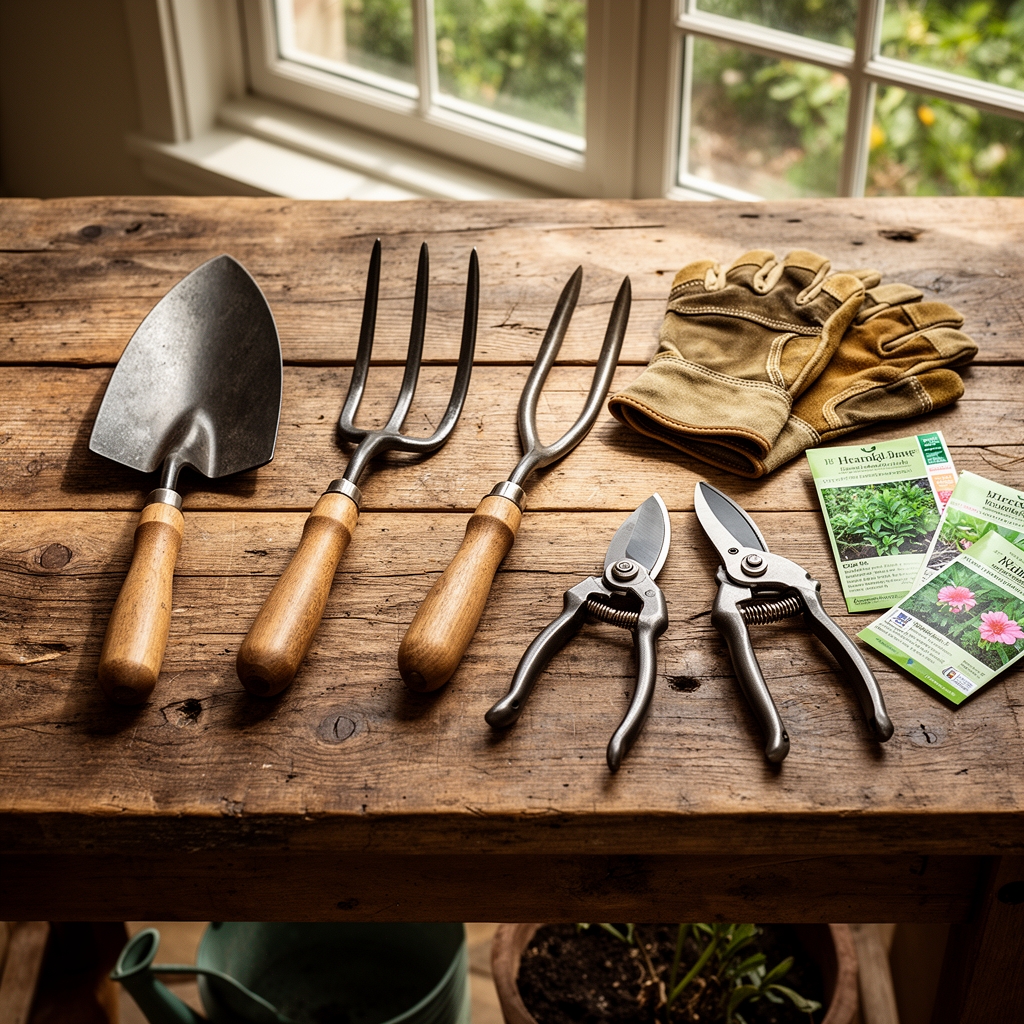
Galvanized rabbit wire, often called hardware cloth, comes in 1/2-inch or 1-inch mesh. The 1/2-inch mesh excludes juvenile rabbits and voles. Purchase rolls 24 to 36 inches wide in 25-foot or 50-foot lengths.
Treated wooden stakes, 36 inches tall and 1 inch square, anchor the wire every 4 to 6 feet. Cedar resists rot naturally and requires no chemical treatment, preserving soil pH near neutral (6.5 to 7.0). Metal T-posts work in heavy clay soils with high cation exchange capacity where wooden stakes may rot within two seasons.
Galvanized fence staples (1 inch) or zip ties (UV-resistant, 8-inch) attach wire to wooden stakes. Wire cutters and heavy-duty gloves prevent hand lacerations during installation. A post-hole digger or spade creates the 6-inch trench for burying the wire's lower edge.
For gardens using organic amendments, apply a balanced 4-4-4 organic meal (feather meal, bone meal, kelp) at 2 pounds per 100 square feet before installation. This NPK ratio supports steady auxin distribution in young transplants without excess nitrogen that attracts aphids. Soil pH between 6.0 and 7.0 maximizes nutrient availability for most vegetables behind the barrier.
Timing
Install rabbit wire in early spring, 2 to 4 weeks before the last expected frost. In USDA Hardiness Zones 5 and 6, this window falls between late March and mid-April. Zones 7 and 8 can install as early as late February.
Autumn installation works equally well in Zones 3 and 4, where freeze-thaw cycles stabilize by late October. Frozen ground complicates trench digging, so complete installation before soil temperatures drop below 40°F at 6-inch depth.
Mycorrhizal fungi colonize transplant roots most effectively when soil temperatures reach 50 to 60°F. Installing wire before this threshold allows gardeners to amend soil inside the protected zone with granular inoculant (1 tablespoon per transplant hole) without disturbance.
Phases

Step 1: Mark the Perimeter
Use stakes and twine to outline the garden bed or tree perimeter. Measure 12 inches outward from mature plant canopy diameter to allow root expansion.
Step 2: Dig the Trench
Excavate a trench 6 inches deep along the marked line. Remove rocks and debris. Width should match the wire width (24 to 36 inches).
Step 3: Set Support Stakes
Drive wooden stakes or T-posts 12 inches into undisturbed soil at 4- to 6-foot intervals. Stakes should stand 24 inches above final grade.
Step 4: Unroll and Position Wire
Unroll rabbit wire along the trench exterior. The bottom 6 inches should rest in the trench. The top edge should reach 24 to 30 inches above grade.
Pro-Tip: Bend the bottom 6 inches of wire outward at a 90-degree angle before burial. This L-shaped footer stops rabbits that dig along the barrier's base.
Step 5: Attach Wire to Stakes
Secure wire to each stake using three galvanized staples or two zip ties per connection point. Pull wire taut to eliminate gaps wider than 1 inch.
Step 6: Backfill the Trench
Return excavated soil to the trench, covering the wire's bottom edge. Tamp firmly with a shovel or foot to eliminate air pockets.
Step 7: Create a Gate
For garden access, leave a 36-inch gap and attach a hinged wire panel. Use barrel bolts at top and bottom to secure the gate closed.
Step 8: Trim Excess Wire
Cut overlapping wire ends with wire cutters. File sharp edges to prevent injury during weeding.
Step 9: Inspect for Gaps
Walk the perimeter and check for ground-level gaps. Add soil or adjust wire tension where needed.
Step 10: Mulch the Interior
Apply 2 inches of shredded hardwood mulch inside the barrier to suppress weeds and retain soil moisture.
Pro-Tip: Spray the wire's exterior base with a capsaicin solution (1 tablespoon per gallon water) monthly during the growing season. This secondary deterrent reinforces the physical barrier.
Troubleshooting
Symptom: Wire rusting within one season.
Solution: Replace galvanized wire with stainless steel or vinyl-coated hardware cloth. Stainless steel lasts 10-plus years in acidic soils (pH below 6.0).
Symptom: Rabbits entering through gaps near gates.
Solution: Add a 12-inch gravel collar around gate perimeter. Rabbits avoid digging through sharp-edged stone.
Symptom: Wire bowing outward under vine weight.
Solution: Install horizontal support wires at 12-inch and 24-inch heights using 14-gauge galvanized wire tensioned between stakes.
Symptom: Voles tunneling under the barrier.
Solution: Extend trench depth to 8 inches and bury wire vertically. Add a 1/4-inch mesh overlay along the bottom 12 inches.
Symptom: Wire cutting into tree bark as trunk expands.
Solution: Maintain a 6-inch gap between wire and trunk. Use three stakes in a triangular arrangement around individual trees.
Maintenance
Inspect wire every 4 weeks during the growing season. Tighten loose staples or replace damaged zip ties immediately. Remove vegetation growing within 2 inches of the wire base to prevent rabbits from using plants as climbing aids.
Apply 1 inch of water per week inside the barrier during active growth. Drip irrigation placed 3 inches from plant stems delivers moisture directly to the root zone, encouraging deep rooting.
Reapply 4-4-4 organic fertilizer at half-strength (1 pound per 100 square feet) every 6 weeks. This maintains steady nutrient availability without excess vegetative growth that weakens stem lignification.
Check buried wire edges annually. Erosion or settling may expose gaps. Add soil and tamp to restore the 6-inch burial depth.
FAQ
How tall should rabbit wire stand?
24 to 30 inches above grade. Cottontail rabbits jump 24 inches maximum from a standstill.
Can rabbits chew through hardware cloth?
No. Galvanized steel resists rodent teeth. Rabbits gnaw wooden stakes but avoid metal barriers.
Should I remove wire in winter?
No. Rabbits forage year-round and cause severe bark damage when vegetation is scarce. Leave wire in place permanently.
Does rabbit wire harm beneficial insects?
No. The 1/2-inch to 1-inch mesh allows pollinators, ground beetles, and parasitoid wasps to pass freely.
How long does galvanized wire last?
8 to 12 years in neutral to alkaline soils. Acidic soils (pH below 5.5) reduce lifespan to 5 to 7 years.